The Importance of Antioxidants for Health and Wellness

Importance of Antioxidants Image
Credit: GOQii Blog

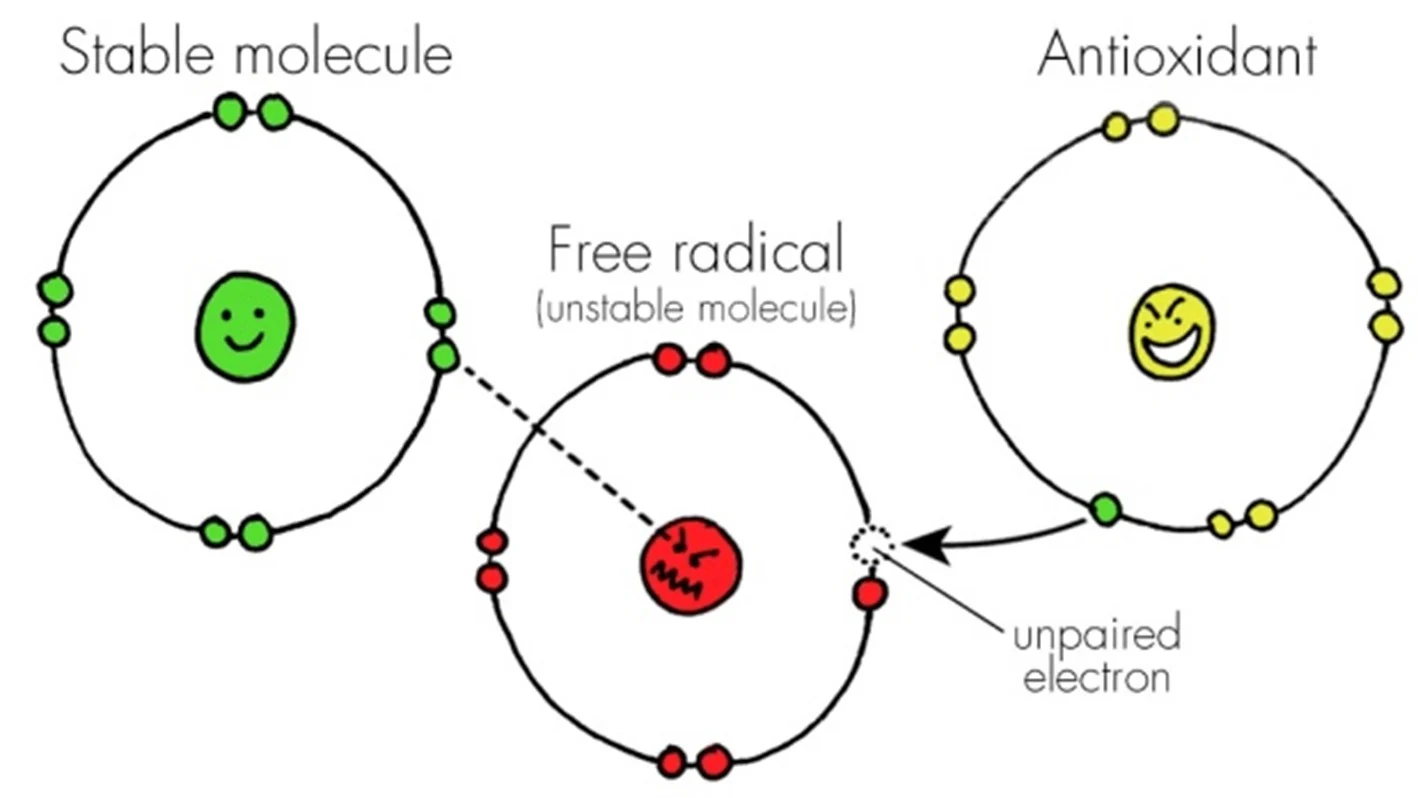
Antioxidants are naturally occurring compounds that play a crucial role in protecting the body from oxidative stress, a condition characterised by an imbalance between free radicals and antioxidants in the body. Free radicals are unstable molecules that can cause cellular damage by reacting with other molecules, leading to a cascade of harmful effects. Antioxidants neutralise these free radicals by donating electrons, thereby stabilising them and preventing further damage. 

This process is vital for maintaining cellular integrity and overall health. The body produces some antioxidants endogenously, such as glutathione, superoxide dismutase, and catalase. However, many antioxidants must be obtained through diet, including vitamins C and E, beta-carotene, and various phytochemicals found in fruits and vegetables. 

The effectiveness of antioxidants is often measured by their ability to scavenge free radicals and reduce oxidative stress markers in the body. By mitigating oxidative damage, antioxidants play a crucial role in maintaining cellular function and promoting longevity.


Key Takeaways

  • Antioxidants are molecules that help prevent cell damage caused by free radicals in the body.
  • Antioxidants play a crucial role in preventing chronic diseases, including heart disease, cancer, and diabetes.
  • Antioxidants can help slow down the aging process by reducing oxidative stress and inflammation in the body.
  • Antioxidants support immune function by protecting cells from damage and boosting the body’s defence system.
  • Antioxidants protect against cellular damage by neutralising free radicals and reducing oxidative stress in the body.
Importance of Antioxidants Free Radicals Image
Credit: National Skin Cancer Centres

The Role of Antioxidants in Preventing Chronic Diseases

Chronic diseases such as heart disease, diabetes, and cancer have been linked to oxidative stress and inflammation. Antioxidants play a pivotal role in preventing these conditions by combating oxidative damage at the cellular level. For instance, studies have shown that diets rich in antioxidants can lower the risk of cardiovascular diseases. 

The mechanisms behind this protective effect include the reduction of LDL cholesterol oxidation, improvement of endothelial function, and modulation of inflammatory pathways. In the context of cancer prevention, antioxidants may inhibit tumour growth by neutralising free radicals that can cause DNA mutations. For example, the flavonoids found in berries have been shown to possess anti-carcinogenic properties due to their ability to scavenge free radicals and modulate cell signalling pathways involved in cancer progression. 

Furthermore, research indicates that individuals with higher dietary antioxidant intake tend to have a lower incidence of certain cancers, underscoring the importance of these compounds in disease prevention.


The Connection Between Antioxidants and Aging

Aging is often accompanied by an increase in oxidative stress, which contributes to the decline in physiological functions and the onset of age-related diseases. The free radical theory of aging posits that the accumulation of oxidative damage over time leads to cellular dysfunction and aging. Antioxidants are believed to play a significant role in mitigating this process by reducing oxidative damage to cells and tissues. 

Research has demonstrated that higher levels of antioxidants in the body are associated with increased lifespan and improved health during aging. For instance, studies involving animal models have demonstrated that supplementation with antioxidants can prolong lifespan and enhance age-related health markers. In humans, diets rich in antioxidant-rich foods, such as fruits, vegetables, nuts, and whole grains, have been linked to better cognitive function and a reduced risk of neurodegenerative diseases, including Alzheimer’s. 

This connection highlights the potential of antioxidants not only to slow down the aging process but also to enhance the quality of life in older adults.


Antioxidants and Immune Function

The immune system relies on a delicate balance between pro-oxidants and antioxidants to function optimally. Antioxidants support immune function by protecting immune cells from oxidative damage, which can impair their ability to respond effectively to pathogens. For example, vitamin C is known to enhance the production and function of white blood cells, which are essential for fighting infections. 

Additionally, antioxidants can modulate inflammatory responses, ensuring that the immune system does not overreact or become chronic. Research has shown that individuals with higher antioxidant levels tend to have stronger immune responses. In one study, older adults who supplemented with antioxidants experienced fewer respiratory infections compared to those who did not. 

This suggests that maintaining adequate antioxidant levels may be particularly important for vulnerable populations, such as the elderly or those with compromised immune systems. By bolstering immune function through the intake of antioxidants, individuals may enhance their resilience against infections and diseases.


How Antioxidants Protect Against Cellular Damage

Cellular damage caused by oxidative stress can lead to various health issues, including chronic diseases and accelerated aging. Antioxidants protect against this damage through several mechanisms. They neutralise free radicals before they can react with cellular components such as lipids, proteins, and DNA. This protective action helps maintain cellular integrity and function. 

One notable example is the role of glutathione, a powerful intracellular antioxidant that plays a critical role in detoxifying harmful substances and protecting cells from oxidative damage. Glutathione levels can be depleted by factors such as a poor diet, stress, and exposure to environmental toxins. Supplementing with precursors to glutathione or consuming foods rich in sulphur-containing amino acids can help restore its levels in the body, thereby enhancing cellular protection against oxidative stress.

Importance of Antioxidants Sources Image
Credit: Resiliency Mind + Body Medicine

The Best Food Sources of Antioxidants

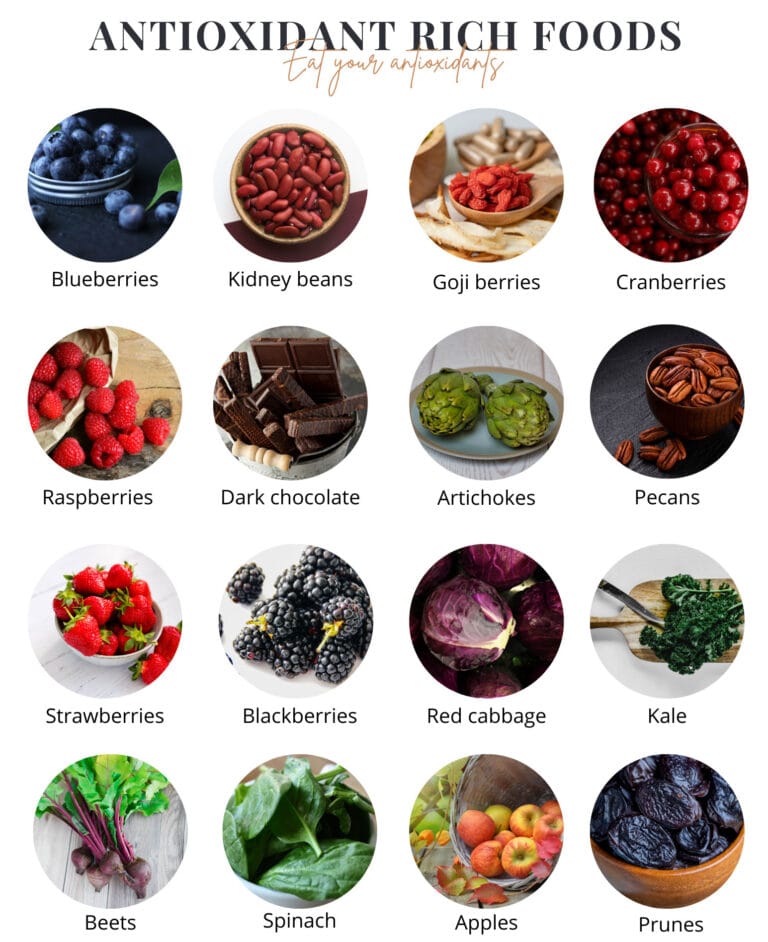
A diverse array of foods rich in antioxidants makes it relatively easy to incorporate them into a balanced diet. Fruits such as berries (e.g. blueberries, strawberries, raspberries) are particularly high in anthocyanins, a type of flavonoid known for its potent antioxidant properties. Dark chocolate is another excellent source; it contains flavonoids that can improve heart health by enhancing blood flow and lowering blood pressure. 

Vegetables also provide a wealth of antioxidants; for instance, spinach and kale are rich in vitamins A, C, and E as well as carotenoids like lutein and zeaxanthin. Nuts and seeds are another important category; walnuts and sunflower seeds are rich in vitamin E, which helps protect cell membranes from oxidative damage. Incorporating a variety of these foods into daily meals not only enhances antioxidant intake but also provides essential nutrients that support overall health.


Antioxidant Supplements: Are They Necessary?

The debate surrounding antioxidant supplements has gained traction over the years, particularly as more people seek ways to enhance their health through dietary interventions. While supplements can provide concentrated doses of specific antioxidants, there is ongoing discussion about their efficacy compared to obtaining antioxidants through whole foods. Some studies suggest that high-dose antioxidant supplements may not yield the same health benefits as those derived from food sources and could even pose risks if taken excessively. 

For example, research has indicated that beta-carotene supplements may increase lung cancer risk in smokers rather than providing protective effects. Conversely, consuming beta-carotene through fruits and vegetables has been linked to a reduced cancer risk. This discrepancy highlights the complexity of nutrient interactions within whole foods that may not be replicated in supplement form. 

Therefore, while antioxidant supplements may be beneficial for certain individuals, such as those with specific deficiencies or health conditions, most experts recommend prioritising a diet rich in whole foods for optimal health benefits.


Antioxidants and Exercise Performance

Exercise induces oxidative stress due to increased oxygen consumption and metabolic activity; however, it also stimulates the body’s natural antioxidant defences. Athletes often seek ways to enhance performance and recovery through nutrition, leading to interest in the role of antioxidants in exercise physiology. Some studies suggest that antioxidant supplementation may help reduce exercise-induced muscle damage and inflammation. 

For instance, vitamins C and E have been studied for their potential to mitigate oxidative stress following intense physical activity. However, findings are mixed; some research indicates that high doses of these vitamins may blunt the beneficial adaptations that occur with regular exercise training. This suggests that while antioxidants can play a role in recovery from exercise-induced stress, moderation is key. 

A balanced diet rich in natural sources of antioxidants may provide sufficient support without interfering with the body’s adaptive responses to training.


Antioxidants and Skin Health

The skin is particularly vulnerable to oxidative stress due to environmental factors, including UV radiation, pollution, and toxins. Antioxidants play a vital role in protecting skin cells from damage caused by these external stressors. Topical application of antioxidants, such as vitamin C, has gained popularity in skincare products due to its ability to neutralise free radicals and promote collagen synthesis. 

Research has shown that dietary antioxidants also play a significant role in maintaining skin health. For example, carotenoids found in colourful fruits and vegetables can enhance skin tone and protect against UV-induced damage. Additionally, omega-3 fatty acids found in fatty fish have anti-inflammatory properties that can help maintain skin barrier function and hydration. 

By incorporating both topical and dietary sources of antioxidants into skincare routines, individuals can promote healthier skin while reducing signs of aging.


The Impact of Antioxidants on Mental Health

Emerging research suggests a strong link between oxidative stress and mental health disorders such as depression and anxiety. Antioxidants may play a protective role by reducing inflammation and oxidative damage within the brain. For instance, studies have indicated that individuals with depression often exhibit lower levels of certain antioxidants compared to healthy individuals. 

Nutrients such as omega-3 fatty acids and vitamins C and E have been linked to improved mood regulation and cognitive function. Omega-3s are known for their anti-inflammatory properties and have been linked to reduced symptoms of depression when consumed regularly through diet or supplementation. Similarly, vitamin D, a nutrient often obtained through exposure to sunlight, has been shown to influence mood regulation through its antioxidant effects on brain cells. 

This connection highlights the importance of maintaining sufficient antioxidant levels for optimal mental well-being.

Importance of Antioxidants Image

Incorporating Antioxidants into Your Daily Routine

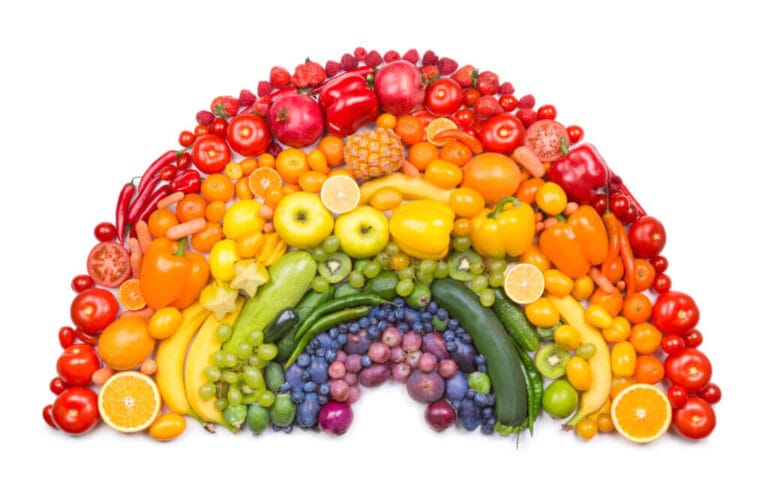
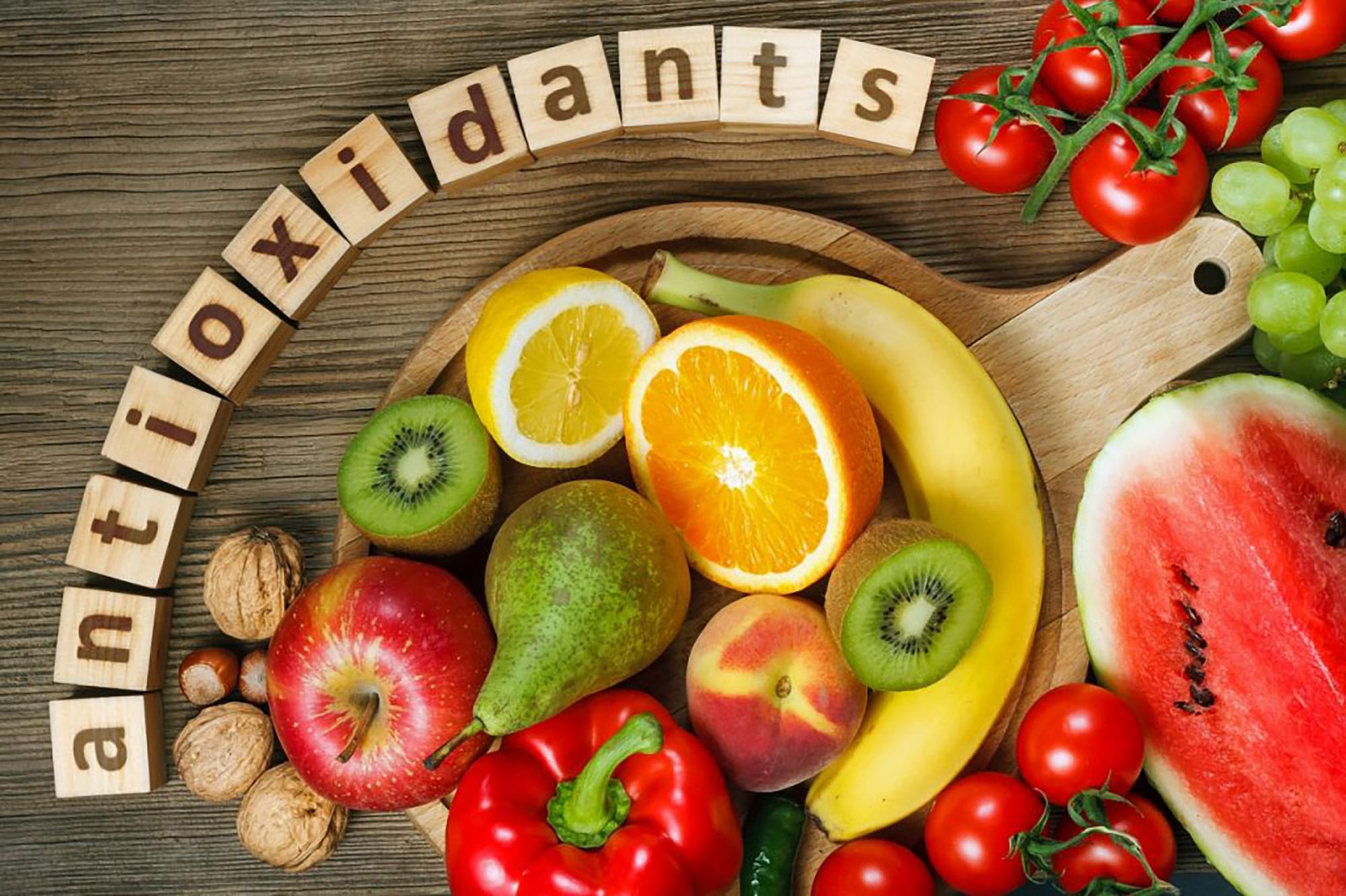
Incorporating antioxidants into your daily routine can be both enjoyable and beneficial for overall health. One effective strategy is to focus on a colourful plate; aim for a variety of fruits and vegetables at each meal to ensure a broad spectrum of antioxidants is consumed. Smoothies made with spinach, berries, bananas, and nuts can serve as a delicious breakfast or snack option packed with nutrients. 

Additionally, consider swapping processed snacks for whole-food alternatives rich in antioxidants, such as nuts or dark chocolate, instead of sugary treats or chips. Experimenting with herbs and spices like turmeric or cinnamon can also enhance meals while providing additional antioxidant benefits.

By making small adjustments to your diet and lifestyle choices, such as choosing whole foods over processed options, you can significantly increase your antioxidant intake while enjoying diverse flavours and textures in your meals.

To summarise…

Antioxidants play a crucial role in maintaining our health by neutralising harmful free radicals in the body, which can lead to oxidative stress and cell damage. This is particularly important for athletes who undergo intense physical exertion, as their bodies produce an increased number of free radicals. A related article, “Go Olympics! Enhance Olympic Athletes’ Performance Through DNA Testing“, discusses how understanding an athlete’s genetic makeup can help optimise their diet and lifestyle, including the intake of antioxidants, to enhance performance and recovery. This insight highlights the significance of antioxidants in promoting overall health and athletic performance.

Unlock the secrets of your DNA • Discover yourself at a genetic level
Understand your health predispositions and take control • Live a longer and healthier life