Preventing Dementia: Lifestyle Changes and Brain Health

Lifestyle Changes Dementia Image
Credit: Assisting Hands Home Care

Dementia is a collective term used to describe a range of symptoms associated with a decline in cognitive function, which significantly interferes with daily life. It is not a specific disease but rather a syndrome that can result from various underlying conditions, the most common being Alzheimer’s disease. As the global population ages, the prevalence of dementia is expected to rise dramatically, making it a pressing public health concern. 

Understanding the intricacies of brain health and the factors that contribute to cognitive decline is essential for developing effective prevention strategies. Brain health encompasses a variety of aspects, including cognitive function, emotional well-being, and the ability to engage in social activities. The brain is a complex organ that requires a delicate balance of physical, mental, and emotional factors to function optimally. 

Research has shown that lifestyle choices play a significant role in maintaining brain health and potentially delaying or preventing the onset of dementia. By examining the various factors that contribute to cognitive vitality, individuals can take proactive steps to safeguard their mental acuity as they age.


Key Takeaways

  • Dementia is a condition that affects the brain’s ability to function properly, leading to memory loss, impaired reasoning, and changes in behaviour.
  • Lifestyle choices, including diet, physical activity, social engagement, and cognitive stimulation, can have a significant impact on brain health and the prevention of dementia.
  • Regular physical activity can help reduce the risk of developing dementia by improving blood flow to the brain and reducing the risk of conditions such as high blood pressure and diabetes.
  • A healthy diet rich in fruits, vegetables, whole grains, and lean proteins can help maintain brain health and reduce the risk of developing dementia.
  • Social engagement, cognitive stimulation, stress management, quality sleep, substance avoidance, and maintaining good mental health are all crucial factors in preventing dementia and promoting brain health.
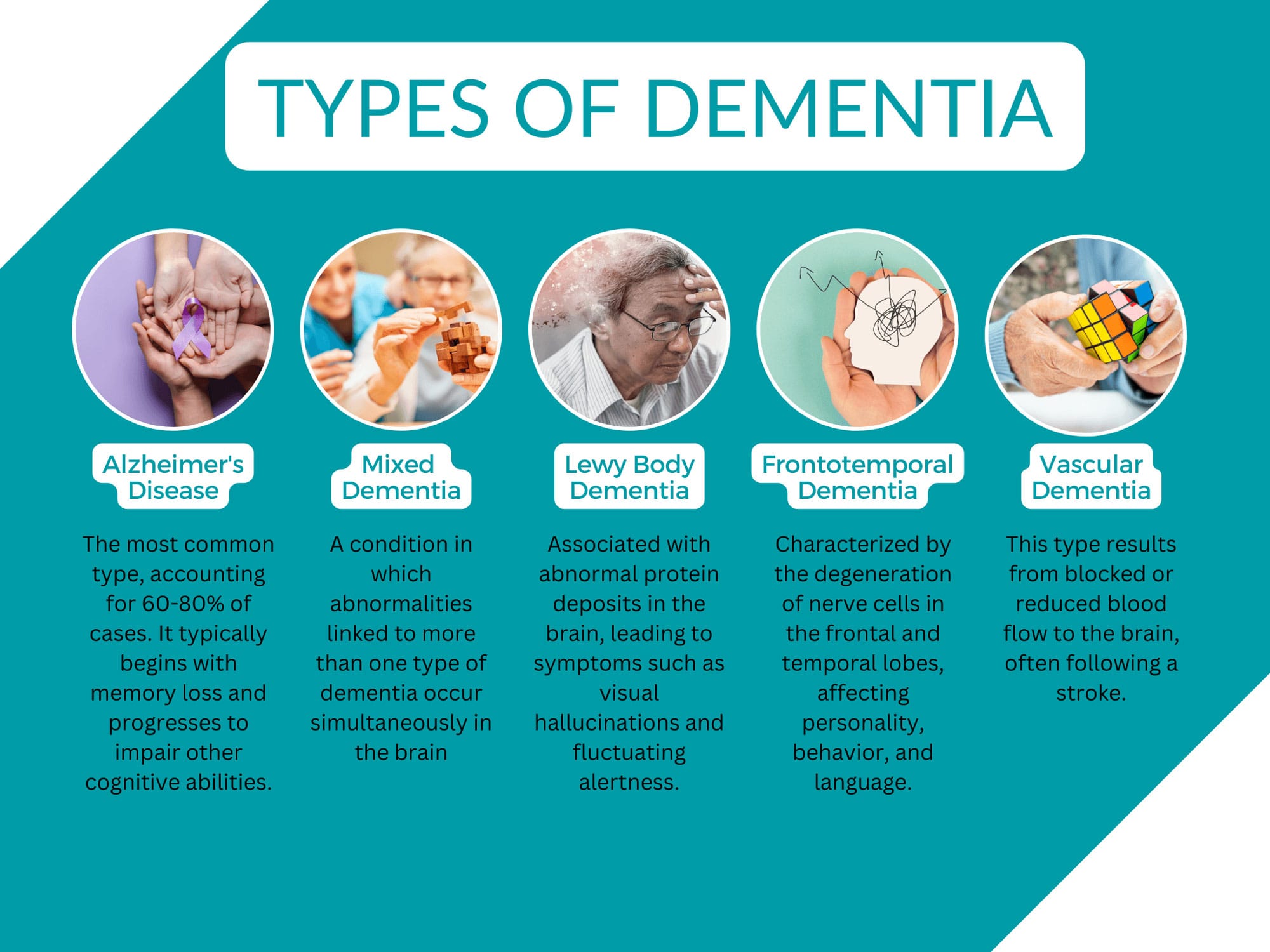
Lifestyle Changes Types of Dementia Image
Credit: Care Patrol

The Impact of Lifestyle on Brain Health

Lifestyle choices are pivotal in shaping brain health and influencing the risk of developing dementia. Factors such as diet, physical activity, social engagement, and mental stimulation can either bolster cognitive function or contribute to its decline. For instance, studies have demonstrated that individuals who lead an active lifestyle, both physically and mentally, tend to exhibit better cognitive performance compared to their sedentary counterparts. 

This correlation underscores the importance of adopting a holistic approach to health that encompasses both physical and mental well-being. Moreover, lifestyle factors can interact in complex ways to influence brain health. For example, a nutritious diet can enhance physical fitness, which in turn may improve mood and cognitive function. 

Conversely, poor dietary choices can lead to obesity and metabolic disorders, which are associated with an increased risk of dementia. Understanding these interconnections allows individuals to make informed decisions about their health and adopt practices that promote long-term cognitive resilience.


Importance of Physical Activity in Preventing Dementia

Physical activity is one of the most well-researched lifestyle factors linked to brain health. Engaging in regular exercise has been shown to improve blood flow to the brain, promote neurogenesis (the formation of new neurons), and enhance synaptic plasticity, which is the brain’s ability to adapt and reorganise itself. These physiological changes are crucial for maintaining cognitive function and may help stave off the onset of dementia. 

Research indicates that even moderate levels of physical activity can yield significant benefits for brain health. For instance, a study published in the journal “Neurology” found that older adults who engaged in regular aerobic exercise had a lower risk of developing dementia compared to those who were inactive. Activities such as walking, swimming, or cycling not only improve cardiovascular health but also stimulate the release of neurotrophic factors that support neuronal survival and growth. 

This evidence highlights the importance of incorporating physical activity into daily routines as a preventive measure against cognitive decline.


The Role of Diet in Maintaining Brain Health

Diet plays a crucial role in maintaining brain health and preventing dementia. A balanced diet rich in antioxidants, healthy fats, vitamins, and minerals can provide the necessary nutrients for optimal cognitive function. The Mediterranean diet, characterised by high consumption of fruits, vegetables, whole grains, fish, and healthy fats like olive oil, has garnered attention for its potential neuroprotective effects. 

Studies have shown that adherence to this dietary pattern is associated with a reduced risk of cognitive decline and dementia. Specific nutrients have also been linked to brain health. Omega-3 fatty acids, found in foods such as fatty fish like salmon and walnuts, are known for their anti-inflammatory properties and their role in supporting neuronal function. 

Antioxidants, such as vitamins C and E, help combat oxidative stress, which can damage brain cells over time. Additionally, B vitamins, particularly B6, B12, and folate, are essential for maintaining healthy homocysteine levels; elevated homocysteine has been associated with an increased risk of dementia. By prioritising nutrient-dense foods, individuals can create an environment conducive to cognitive longevity.

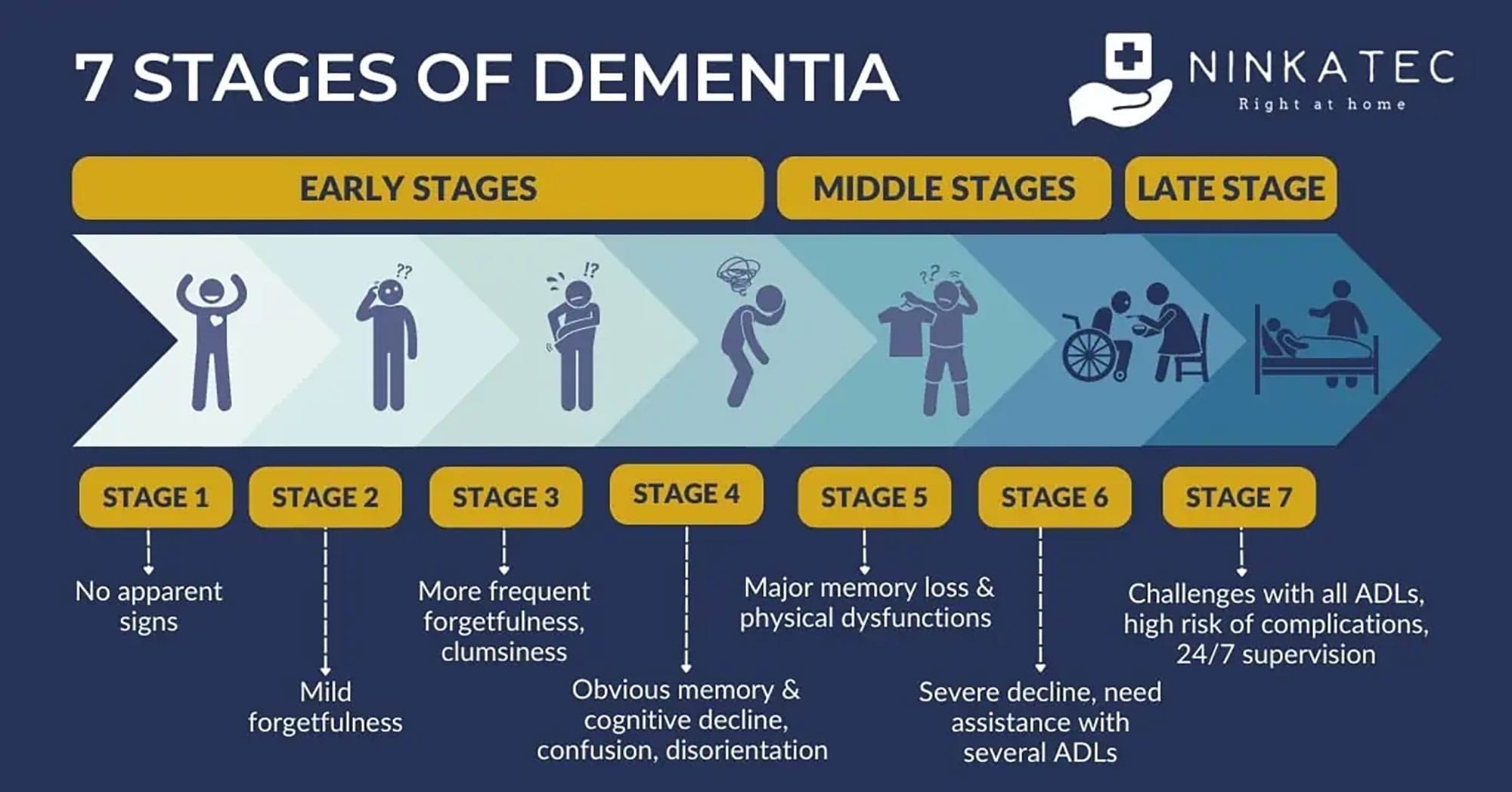
Lifestyle Changes 7 Stages of Dementia Image
Credit: Ninkatec

Social Engagement and Its Effect on Dementia Prevention

Social engagement is another critical factor influencing brain health and the risk of dementia. Maintaining strong social connections has been shown to provide emotional support, reduce stress levels, and promote cognitive stimulation, all of which are beneficial for brain health. Engaging in social activities can take many forms, from participating in community events to maintaining close relationships with family and friends. 

Research has demonstrated that socially active individuals tend to experience slower cognitive decline compared to those who are isolated or lack social interactions. A study published in “The Journal of Gerontology” found that older adults who participated in regular social activities had a significantly lower risk of developing dementia than those who were less socially engaged.

This suggests that fostering social connections may serve as a protective factor against cognitive decline, emphasising the importance of nurturing relationships throughout life.


Cognitive Stimulation and Brain Health

Cognitive stimulation refers to activities that challenge the brain and promote mental engagement. Engaging in intellectually stimulating activities, such as reading, solving puzzles, learning new skills, or playing musical instruments, can enhance cognitive reserve – the brain’s ability to cope with damage while maintaining its function. This concept is particularly relevant when considering dementia prevention strategies. 

Numerous studies have highlighted the benefits of cognitive stimulation for brain health. For example, research published in “Alzheimer’s & Dementia” found that individuals who regularly engaged in mentally stimulating activities had a lower risk of developing Alzheimer’s disease compared to those who did not participate in such activities. The findings suggest that lifelong learning and mental challenges can contribute to building cognitive resilience, thereby reducing the likelihood of dementia onset.


Managing Stress and Its Impact on Dementia

Chronic stress has been identified as a significant risk factor for cognitive decline and dementia. Prolonged exposure to stress hormones such as cortisol can lead to inflammation and damage within the brain, particularly in areas associated with memory and learning. Therefore, managing stress effectively is crucial for maintaining brain health. 

Various stress-reduction techniques can be employed to mitigate the effects of stress on cognitive function. Mindfulness meditation, yoga, and deep-breathing exercises have all been shown to reduce stress levels and promote emotional well-being. Additionally, engaging in hobbies or spending time in nature can provide a much-needed respite from daily stressors. 

By incorporating these practices into daily life, individuals can create a more balanced lifestyle that supports both mental health and cognitive vitality.


The Importance of Quality Sleep for Brain Health

Quality sleep is essential for overall health and plays a vital role in maintaining brain function. During sleep, the brain undergoes critical processes, including memory consolidation and detoxification. Disrupted or insufficient sleep can lead to cognitive impairments and increase the risk of developing dementia over time. 

Research has established a strong link between sleep quality and cognitive health. For instance, studies have shown that individuals who experience sleep disturbances or chronic insomnia are at a higher risk for developing Alzheimer’s disease and other forms of dementia. Sleep disorders can lead to an accumulation of beta-amyloid plaques, a hallmark feature of Alzheimer’s, further exacerbating cognitive decline. 

Prioritising good sleep hygiene practices, such as maintaining a consistent sleep schedule and creating a restful sleep environment, is essential for supporting brain health.

Avoiding Harmful Substances and Dementia Prevention

The consumption of harmful substances can have detrimental effects on brain health and increase the risk of dementia. Alcohol abuse, smoking, and drug use are all associated with cognitive decline and neurodegeneration. For example, excessive alcohol consumption has been linked to an increased risk of developing alcohol-related dementia as well as other forms of cognitive impairment. 

Quitting smoking has also been shown to have significant benefits for brain health. Research indicates that smokers are at a higher risk of developing dementia compared to non-smokers due to the negative impact of tobacco on blood flow and overall vascular health. By avoiding harmful substances and adopting healthier habits, individuals can significantly reduce their risk of cognitive decline and promote long-term brain health.


The Role of Mental Health in Preventing Dementia

Mental health is intricately connected to brain health and plays a crucial role in preventing dementia. Conditions such as depression and anxiety can negatively impact cognitive function and increase the risk of developing dementia later in life. The relationship between mental health and cognitive decline is bidirectional; poor mental health can lead to cognitive impairments, while cognitive decline can exacerbate mental health issues. 

Addressing mental health concerns through therapy, medication, or lifestyle changes is essential for promoting overall well-being. Engaging in activities that foster positive emotions, such as volunteering or pursuing hobbies, can also enhance mental resilience and contribute to better cognitive outcomes.

By prioritising mental health alongside physical health, individuals can create a comprehensive approach to preventing dementia.


Implementing Lifestyle Changes for Brain Health

Implementing lifestyle changes aimed at enhancing brain health is not only beneficial for preventing dementia but also promotes overall well-being throughout life. By focusing on physical activity, nutrition, social engagement, cognitive stimulation, stress management, quality sleep, avoidance of harmful substances, and mental health care, individuals can create a robust framework for supporting their cognitive vitality as they age. The journey toward better brain health begins with small steps, such as incorporating more fruits and vegetables into meals, taking regular walks, engaging with friends or family members more frequently, or dedicating time each day to mental challenges, which can all contribute significantly to long-term cognitive resilience. 

As research continues to unveil the complexities surrounding dementia prevention, it becomes increasingly clear that proactive lifestyle choices hold the key to safeguarding our most vital organ: the brain.

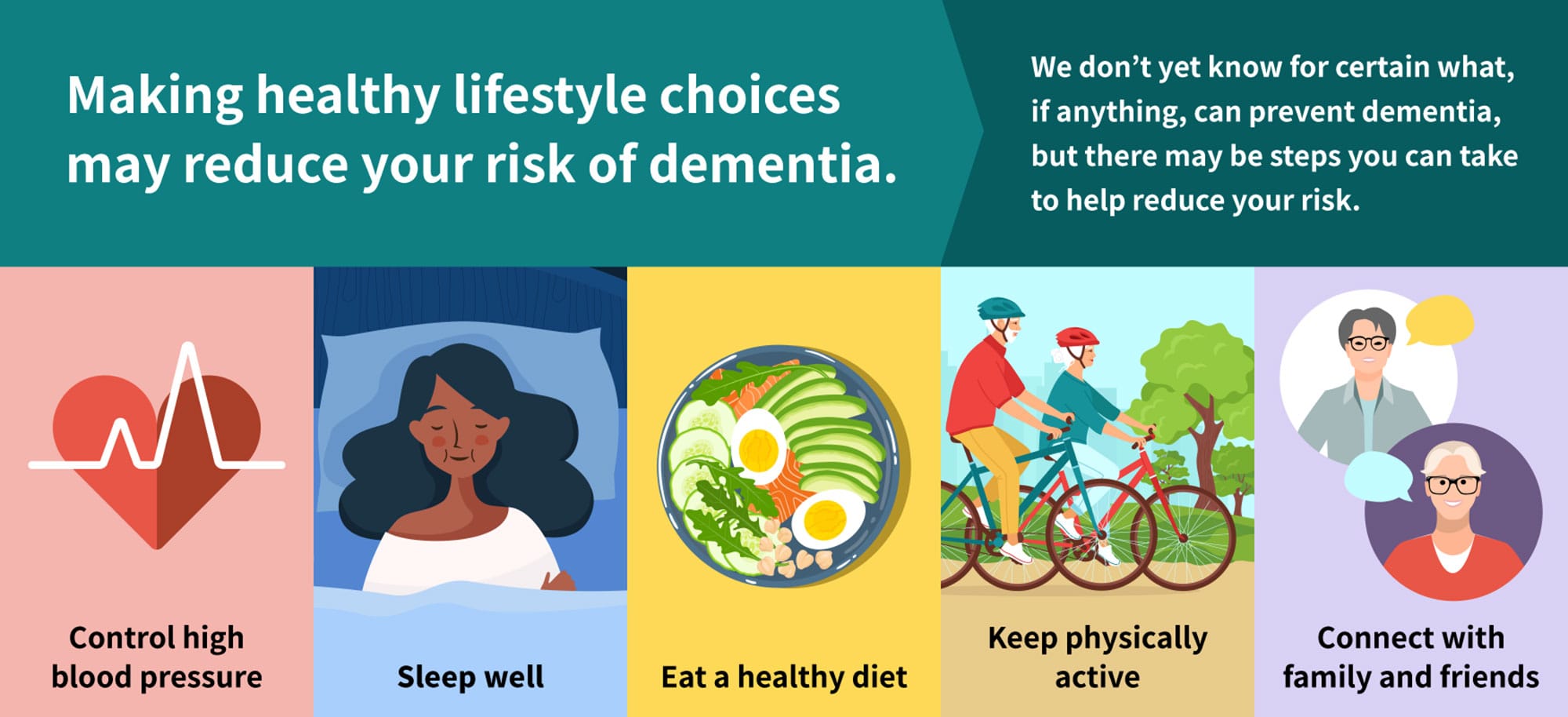
Lifestyle Changes to reduce Dementia Risk Image
Credit: National Institute on Aging

To summarise…

Preventing dementia involves a multifaceted approach that encompasses lifestyle changes, early detection, and an understanding of genetic predispositions. One effective strategy is to incorporate regular physical activity, a balanced diet, and mental exercises into daily routines. Additionally, advancements in genetic testing can play a crucial role in early detection and prevention strategies. For those interested in understanding the role of genetics in health, the article on “What is Genetic and DNA Testing” provides valuable insights into how these tests can inform personalised healthcare plans, potentially reducing the risk of developing dementia. By leveraging genetic information, individuals can make informed decisions about their health and take proactive steps to maintain cognitive function as they age.

Unlock the secrets of your DNA • Discover yourself at a genetic level
Understand your health predispositions and take control • Live a longer and healthier life