To get our DNA kit at an unbeatable price, use the WhatsApp chat in the bottom right and select the topic ‘DNA Kit Promocode‘.
The promotion ends on Sunday, 20 October 2024 @ 11.59pm.

Lycopene is a naturally occurring carotenoid pigment that gives certain fruits and vegetables their vibrant red and pink hues. It is a member of the carotenoid family, which includes other well-known compounds such as beta-carotene and lutein. Unlike some other carotenoids, lycopene does not convert to vitamin A in the body, but it is recognised for its unique properties and health benefits.
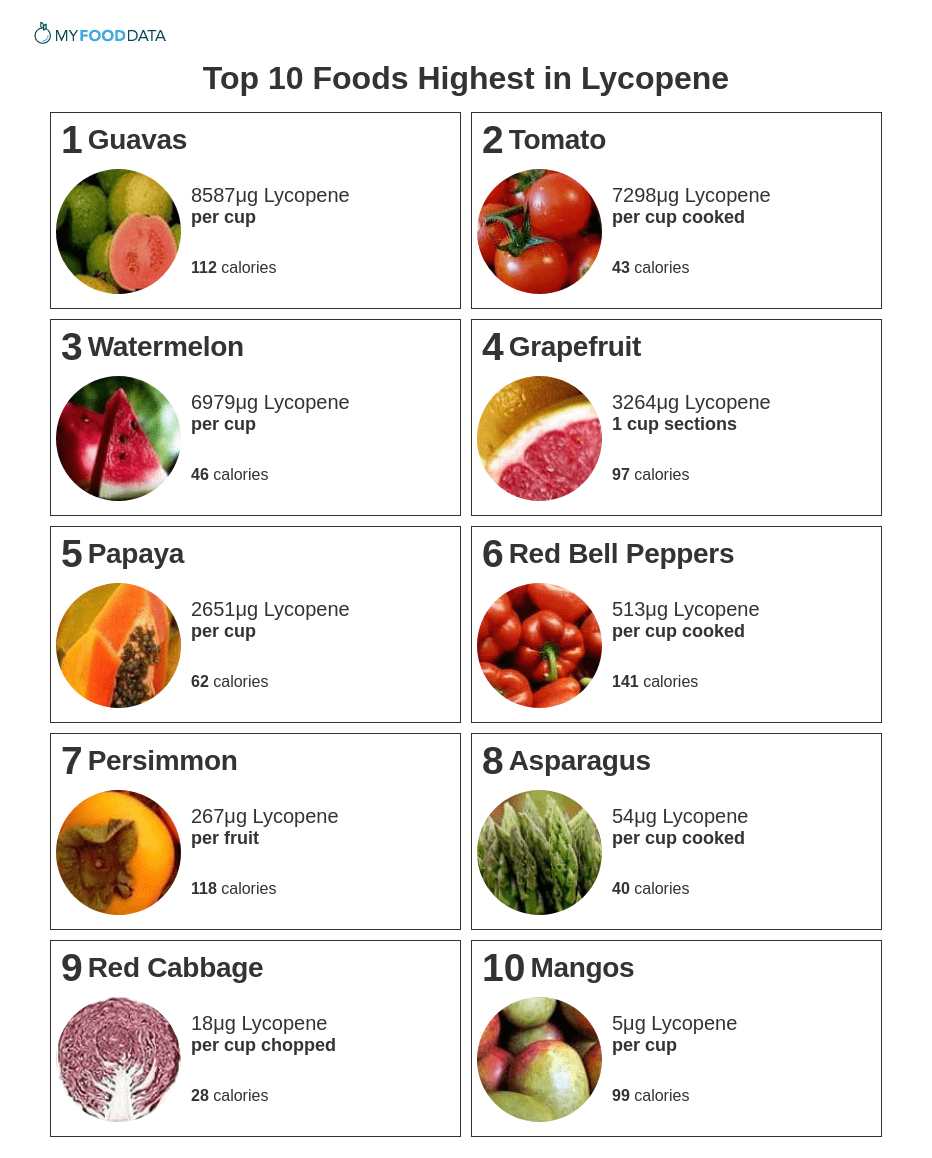
This pigment is predominantly found in tomatoes, but it is also present in smaller amounts in other fruits and vegetables, such as watermelon, pink grapefruit, and red peppers. The chemical structure of lycopene consists of a long chain of conjugated double bonds, which contributes to its antioxidant capabilities. The significance of lycopene extends beyond its role as a pigment; it has garnered attention in the fields of nutrition and health due to its potential therapeutic effects.
Research has indicated that lycopene may play a role in reducing the risk of various chronic diseases, making it a subject of interest for scientists and health professionals alike. Its bioavailability, or the degree to which it can be absorbed and utilised by the body, is influenced by factors such as food preparation methods and the presence of dietary fats. This makes understanding lycopene not only important for dietary choices but also for overall health management.

Tomatoes are the most well-known source of lycopene, accounting for a significant portion of dietary intake in many populations. The concentration of lycopene in tomatoes can vary based on several factors, including the variety of tomato, its ripeness at harvest, and the processing methods used. For instance, processed tomato products, such as tomato paste, sauce, and juice, often contain higher levels of lycopene compared to fresh tomatoes due to the concentration that occurs during the cooking process.
This is particularly relevant because cooking tomatoes can break down cell walls, making the lycopene more bioavailable. In addition to tomatoes, other fruits and vegetables also contribute to dietary lycopene intake. Watermelon is another excellent source, providing a refreshing way to consume this beneficial compound during warmer months.
Pink grapefruit and red peppers also contain lycopene, albeit in smaller amounts compared to tomatoes and watermelon. Interestingly, the presence of healthy fats can enhance the absorption of lycopene; thus, pairing these foods with sources of fat, such as olive oil or avocado, can optimise its bioavailability. This interplay between food sources and preparation methods highlights the importance of a varied diet rich in colourful fruits and vegetables.
The health benefits of lycopene are extensive and have been the focus of numerous studies over the years. One of the most compelling areas of research involves its potential role in reducing the risk of chronic diseases. Epidemiological studies have suggested that higher dietary intake of lycopene is associated with a lower incidence of conditions such as cardiovascular disease and certain types of cancer.
The mechanisms behind these protective effects are thought to be linked to lycopene’s antioxidant properties, which help neutralise harmful free radicals in the body. Moreover, lycopene has been studied for its anti-inflammatory effects. Chronic inflammation is a contributing factor to many diseases, including heart disease and diabetes.
By modulating inflammatory pathways, lycopene may help reduce the risk of these conditions. Additionally, some research indicates that lycopene may support immune function, further enhancing its role in disease prevention. The multifaceted nature of lycopene’s health benefits underscores its importance as a dietary component for maintaining overall well-being.
Lycopene’s status as a powerful antioxidant is one of its most celebrated attributes. Antioxidants are compounds that protect cells from oxidative stress caused by free radicals – unstable molecules that can damage cellular structures and contribute to aging and disease development. Lycopene’s unique chemical structure allows it to effectively quench free radicals, thereby reducing oxidative damage in the body.
This property has led researchers to investigate its potential in various health contexts. The antioxidant capacity of lycopene has been demonstrated in numerous studies, showing that it can significantly reduce markers of oxidative stress in both animal models and human subjects. For example, supplementation with lycopene has been associated with decreased levels of malondialdehyde (MDA), a marker of lipid peroxidation, indicating reduced oxidative damage to cell membranes.
Furthermore, lycopene’s ability to enhance the activity of other antioxidants in the body, such as vitamins C and E, adds another layer to its protective effects. This synergistic action may amplify the overall antioxidant defence system, promoting better health outcomes.


Chronic diseases such as heart disease, diabetes, and cancer are among the leading causes of morbidity and mortality worldwide. The role of lycopene in preventing these conditions has been a focal point for researchers seeking to understand how dietary components can influence long-term health outcomes.
Epidemiological studies have consistently shown that individuals with higher intakes of lycopene-rich foods tend to have lower rates of these diseases.
For instance, research has indicated that men with higher serum levels of lycopene have a reduced risk of developing prostate cancer. Similarly, studies have suggested that increased consumption of tomatoes and tomato products is associated with a lower risk of cardiovascular diseases. The mechanisms behind these protective effects may involve not only lycopene’s antioxidant properties but also its ability to modulate various biological pathways related to inflammation and cell signalling.
By influencing these pathways, lycopene may help mitigate the risk factors associated with chronic diseases.
Heart health is a critical area where lycopene has shown promise as a protective agent. Cardiovascular disease remains one of the leading causes of death globally, prompting extensive research into dietary factors that can influence heart health. Studies have indicated that higher dietary intake of lycopene is associated with improved cardiovascular outcomes, including lower blood pressure and reduced levels of LDL cholesterol – the “bad” cholesterol linked to heart disease.
The mechanisms through which lycopene exerts its cardiovascular benefits are multifaceted. It has been demonstrated to enhance endothelial function, a crucial factor in maintaining vascular health. Additionally, lycopene may help reduce inflammation within blood vessels and inhibit platelet aggregation, both of which are important factors in preventing atherosclerosis — the buildup of plaque in arteries that can lead to heart attacks and strokes.
By incorporating lycopene-rich foods into one’s diet, individuals may take proactive steps toward enhancing their heart health.
The potential role of lycopene in cancer prevention has garnered significant attention from researchers over the years. Various studies have explored its effects on different types of cancer, with promising results particularly noted for prostate cancer. Epidemiological evidence suggests that men who consume higher amounts of lycopene exhibit a lower risk of developing prostate cancer compared to those with lower intakes.
The mechanisms by which lycopene exerts its anticancer effects are complex and involve multiple pathways. Lycopene has been shown to induce apoptosis (programmed cell death) in cancer cells while inhibiting their proliferation. Additionally, it may modulate signalling pathways involved in tumour growth and metastasis.
Beyond prostate cancer, research has also indicated potential protective effects against other cancers, including breast and lung cancer. While more research is needed to fully understand these relationships, the existing evidence highlights lycopene’s potential as a valuable component in cancer prevention strategies.
Eye health is another area where lycopene may play a beneficial role. Age-related macular degeneration (AMD) is a leading cause of vision loss among older adults, and oxidative stress is considered a significant contributing factor to its development. Lycopene’s antioxidant properties may help protect retinal cells from oxidative damage caused by free radicals.
Research has suggested that diets rich in carotenoids, such as lycopene, are associated with a reduced risk of AMD and other eye-related conditions. Specifically, studies have shown that individuals with higher serum levels of carotenoids tend to have better visual function and lower rates of cataract formation. The protective effects may stem from lycopene’s ability to filter harmful blue light and reduce inflammation within the eye.
As such, incorporating lycopene-rich foods into one’s diet could be an effective strategy for promoting long-term eye health.
Lycopene’s benefits extend beyond internal health; it also holds promise for skin health. The skin is constantly exposed to environmental stressors such as UV radiation and pollution, which can lead to oxidative damage and premature aging. Lycopene’s antioxidant properties make it an attractive candidate for protecting skin cells from these harmful effects.
Studies have shown that topical application or dietary intake of lycopene can improve skin texture and elasticity while reducing signs of photoaging, such as wrinkles and pigmentation changes.
Additionally, some research suggests that lycopene may help protect against UV-induced skin damage by reducing inflammation and promoting skin repair mechanisms. This dual action – both preventive and reparative – highlights the potential for incorporating lycopene into skincare regimens or diets designed to enhance skin health.
Incorporating lycopene into your diet can be both enjoyable and beneficial for your health. The most straightforward way is through the consumption of tomatoes in various forms – fresh salads featuring ripe tomatoes or cooked dishes, such as marinara sauce or tomato soup, are excellent options. Cooking tomatoes not only enhances their flavour but also increases the bioavailability of lycopene due to the breakdown of cell walls during cooking.
Other delicious ways to incorporate lycopene-rich foods include adding watermelon slices to summer fruit salads or blending pink grapefruit into smoothies for a refreshing breakfast option. Red peppers can be enjoyed raw in salads or cooked in stir-fries for added colour and nutrition. Pairing these foods with healthy fats – such as drizzling olive oil over tomato dishes or adding avocado to salads – can further enhance the absorption of lycopene in your body.

While lycopene is generally considered safe when consumed through food sources, there are some considerations regarding supplementation or excessive intake. High doses of lycopene supplements may lead to gastrointestinal disturbances such as diarrhea or nausea in some individuals. Additionally, there is limited research on the long-term effects of high-dose supplementation; therefore, it is advisable to prioritise obtaining nutrients through whole foods rather than relying solely on supplements.
Individuals taking certain medications or those with specific health conditions should consult healthcare professionals before making significant changes to their diet or starting new supplements containing lycopene. As with any dietary component, moderation is key; incorporating a variety of fruits and vegetables will not only provide beneficial nutrients like lycopene but also promote overall health through diverse dietary patterns.
Lycopene, a powerful antioxidant found in tomatoes and other red fruits, has been the subject of numerous studies due to its potential health benefits, including a reduction in the risk of certain chronic diseases. For those interested in understanding how genetic factors can influence the absorption and efficacy of nutrients like lycopene, a related article on genetic testing and lifestyle choices can provide valuable insights. You can read more about this in the article titled “Research Study: Genetic Testing & Lifestyle” available at this link here. This article explores how personalised genetic testing can help tailor dietary recommendations to enhance health outcomes.
Learn more about how carotenoids can help with your health – Click here.

Unlock the power of your DNA • Discover yourself at a genetic level
Understand your health predispositions and take control • Live a longer and healthier life
WhatsApp us