Unlocking the Power of Female DNA Testing

Female DNA testing blog header image

In recent years, the landscape of genetic testing has undergone a significant transformation, particularly in the realm of female DNA testing. This surge can be attributed to a combination of technological advancements, increased awareness of genetic health, and a growing interest in ancestry and personal identity. Women are increasingly seeking out DNA testing services not only to understand their health risks but also to explore their genealogical roots.

Companies that provide direct-to-consumer predictive DNA testing have made it easier than ever for women to access their genetic information, leading to a democratisation of genetic knowledge that was once reserved for the medical elite. The rise of female DNA testing is also reflective of broader societal changes. As women continue to assert their autonomy in various aspects of life, including health and wellness, the demand for personalised genetic insights has surged.

This trend is particularly evident among younger generations who are more inclined to embrace technology and seek out information that empowers them to make informed decisions about their health. The intersection of feminism and genetics has created a unique space where women can reclaim their narratives through the lens of science, leading to a more profound understanding of their identities and health.


Key Takeaways

  • Female DNA testing has experienced a significant rise in popularity, enabling women to discover their genetic makeup and ancestral roots.
  • Understanding the basics of female DNA testing is crucial for women to make informed decisions about their health and wellness.
  • Female DNA testing has a profound impact on health and wellness, providing valuable insights into genetic predispositions and personalised medicine.
  • Exploring ancestral roots through female DNA testing allows women to connect with their heritage and uncover hidden family connections.
  • Female DNA testing plays a key role in identifying genetic predispositions and empowering women to take proactive steps towards their reproductive health.
Female DNA testing - Woman jogging in the park

Understanding the Basics of Female DNA Testing

At its core, female DNA testing involves analysing genetic material to provide insights into an individual’s ancestry, health risks, and traits. The process typically begins with a simple saliva or cheek swab sample, which is then sent to a laboratory for analysis. The laboratory examines specific markers in the DNA that can reveal a wealth of information about an individual’s genetic makeup.

For women, this testing can include mitochondrial DNA analysis, which is passed down maternally and can trace lineage through generations. The results of female DNA testing can be multifaceted. They often include information about ancestry composition, revealing the geographical regions from which an individual’s ancestors originated.

Additionally, many tests provide insights into genetic predispositions to specific health conditions, offering women a clearer picture of their potential health risks. Understanding these basics is crucial for women considering DNA testing, as it allows them to navigate the myriad options available and select tests that align with their personal goals.


The Impact of Female DNA Testing on Health and Wellness

The implications of female DNA testing extend far beyond mere curiosity about ancestry; they play a pivotal role in health and wellness.

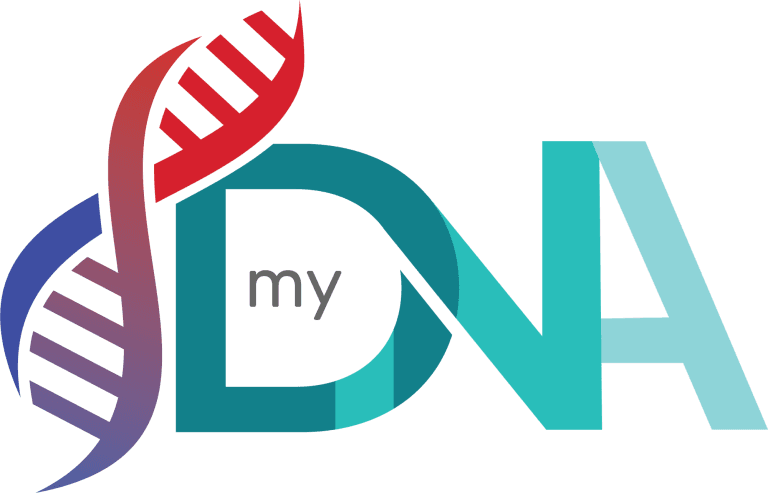
By identifying genetic predispositions to various conditions such as breast cancer, ovarian cancer, and cardiovascular diseases, women can take proactive steps toward prevention and early intervention.

For instance, women who test positive for BRCA1 or BRCA2 gene mutations may choose to undergo more frequent screenings or even preventive surgeries to mitigate their risk of developing breast or ovarian cancer.

Moreover, female DNA testing can inform lifestyle choices that promote overall well-being. Genetic insights can guide dietary preferences, exercise regimens, and even mental health strategies tailored to an individual’s unique genetic profile. For example, some women may discover that they have a genetic predisposition to lactose intolerance or gluten sensitivity, prompting them to adjust their diets accordingly.

This personalised approach to health empowers women to make informed decisions that align with their genetic makeup, ultimately enhancing their quality of life.


Exploring the Ancestral Roots through Female DNA Testing

One of the most compelling aspects of female DNA testing is its ability to illuminate ancestral roots. Women often find themselves at the centre of family histories, serving as custodians of cultural heritage and lineage. By utilising DNA testing, they can uncover stories that may have been lost over generations.

For instance, a woman might discover that her ancestors hailed from regions she had never considered, such as Eastern Europe or Sub-Saharan Africa, leading her to explore cultural practices and traditions associated with those areas. Additionally, female DNA testing can facilitate connections with distant relatives who share similar genetic markers. Many testing companies offer platforms where individuals can connect with others who have taken the same test, fostering a sense of community among those exploring their ancestry.

This newfound connection can lead to meaningful relationships and collaborations in genealogical research, allowing women to piece together family histories that span continents and centuries.

Female DNA testing - World Ancestry Women

Female DNA Testing and Genetic Predispositions

Understanding genetic predispositions is a critical component of female DNA testing. Women are often at the forefront of discussions surrounding hereditary conditions, particularly those related to reproductive health. Genetic testing can reveal whether an individual carries mutations associated with conditions like endometriosis or polycystic ovary syndrome (PCOS).

Armed with this knowledge, women can seek appropriate medical advice and interventions tailored to their specific needs. Furthermore, the identification of genetic predispositions extends beyond reproductive health into other areas such as mental health and chronic diseases. For example, research has shown that certain genetic markers are linked to an increased risk of anxiety and depression.

By understanding these predispositions, women can take preventive measures, such as therapy or lifestyle changes, that may help mitigate these risks. This proactive approach not only enhances individual well-being but also contributes to a broader understanding of how genetics influences mental health across populations.


Uncovering Hidden Family Connections through Female DNA Testing

Female DNA testing has the remarkable ability to uncover hidden family connections that may have remained undiscovered for years. Many women embark on this journey with the hope of finding long-lost relatives or understanding complex family dynamics. The results can be both surprising and enlightening; for instance, a woman may learn that she has half-siblings she never knew existed due to adoption or other familial circumstances.

These revelations can lead to profound emotional experiences as individuals navigate the complexities of newfound relationships. The stories that emerge from these connections often highlight the resilience and adaptability of families over time. Moreover, they can foster a sense of belonging and identity that transcends traditional family structures.

As women share their experiences with others who have undergone similar journeys, they contribute to a growing narrative about the importance of understanding one’s roots in an increasingly interconnected world.


Female DNA Testing and Personalised Medicine

The advent of personalised medicine has revolutionised healthcare by tailoring treatments based on an individual’s genetic profile. Female DNA testing plays a crucial role in this paradigm shift by providing insights that inform medical decisions. For instance, women with specific genetic markers may respond differently to certain medications or therapies, necessitating customised treatment plans.

Pharmacogenomics is an emerging field that examines how genes affect an individual’s response to drugs. Women who undergo DNA testing may discover variations in genes responsible for drug metabolism, allowing healthcare providers to prescribe medications that are more effective and have fewer side effects. This personalised approach not only enhances treatment outcomes but also minimises the trial-and-error process often associated with traditional medicine.

Female DNA Testing - ovarian cancer graphic image
Credit: Denvax

The Role of Female DNA Testing in Reproductive Health

Reproductive health is another area where female DNA testing has made significant strides. Women seeking to conceive or manage reproductive health issues can benefit from genetic insights that inform their choices. For example, preconception carrier screening allows couples to identify whether they carry genes for inherited conditions such as cystic fibrosis or Tay-Sachs disease before starting a family.

Additionally, female DNA testing can provide valuable information regarding fertility potential and reproductive aging. Women can learn about their ovarian reserve or genetic factors that influence the timing of menopause, enabling them to make informed decisions about family planning. This proactive approach empowers women to take control of their reproductive health and navigate the complexities of fertility with greater confidence.


Female DNA Testing and Empowerment

The empowerment derived from female DNA testing cannot be overstated. By gaining access to their genetic information, women are equipped with knowledge that enables them to advocate for their health and well-being more effectively. This newfound agency empowers individuals to take control over personal narratives that external factors have historically shaped.

Moreover, female DNA testing encourages women to engage in conversations about genetics within their families and communities. As they share their experiences and findings, they contribute to a culture of openness surrounding genetic health issues that have often been stigmatised or overlooked. This collective empowerment not only benefits individual women but also paves the way for future generations to embrace their genetic heritage without fear or shame.


Ethical Considerations in Female DNA Testing

As with any rapidly evolving field, ethical considerations surrounding female DNA testing are paramount. Issues related to privacy, data security, and informed consent must be addressed as more women engage with genetic testing services. The potential for misuse of genetic information raises concerns about discrimination in employment or insurance based on genetic predispositions.

Furthermore, the emotional implications of discovering unexpected results—such as non-paternity or unknown family secrets—can have profound effects on individuals and families alike. It is essential for companies offering DNA testing services to provide comprehensive counselling resources that help individuals navigate these complex emotional landscapes. Ethical frameworks must be established to ensure that women’s rights are protected throughout the testing process.

The Future of Female DNA Testing: Innovations and Opportunities

Looking ahead, the future of female DNA testing is poised for remarkable innovations and opportunities. Advances in technology will likely lead to more comprehensive tests that provide deeper insights into health risks and ancestry connections. As artificial intelligence continues to evolve, it may play a role in analysing vast datasets to identify patterns that were previously undetectable.

Moreover, as awareness grows around the importance of diversity in genetic research, there will be increased efforts to include underrepresented populations in studies related to female genetics. This inclusivity will enhance our understanding of how genetics influences health across different demographics and contribute to more equitable healthcare solutions. In conclusion, female DNA testing stands at the intersection of science and personal empowerment, offering women unprecedented opportunities to understand their health, ancestry, and identities in once unimaginable ways.

As this field continues to evolve, it promises not only advancements in medical science but also a deeper appreciation for the rich tapestry of human experience woven through our shared genetics.

To summarise…

In recent years, advancements in female DNA testing have opened new avenues for personalised healthcare and disease prevention. A related article, titled “Lifestyle Changes Reduce Risk of Diseases,” explores how understanding one’s genetic makeup can lead to more informed lifestyle choices that significantly lower the risk of developing certain conditions. This article provides valuable insights into how genetic testing can empower women to take proactive steps in managing their health. For more information, you can read the full article here.

Unlock the power of your DNA • Discover yourself at a genetic level
Understand your health predispositions and take control • Live a longer and healthier life