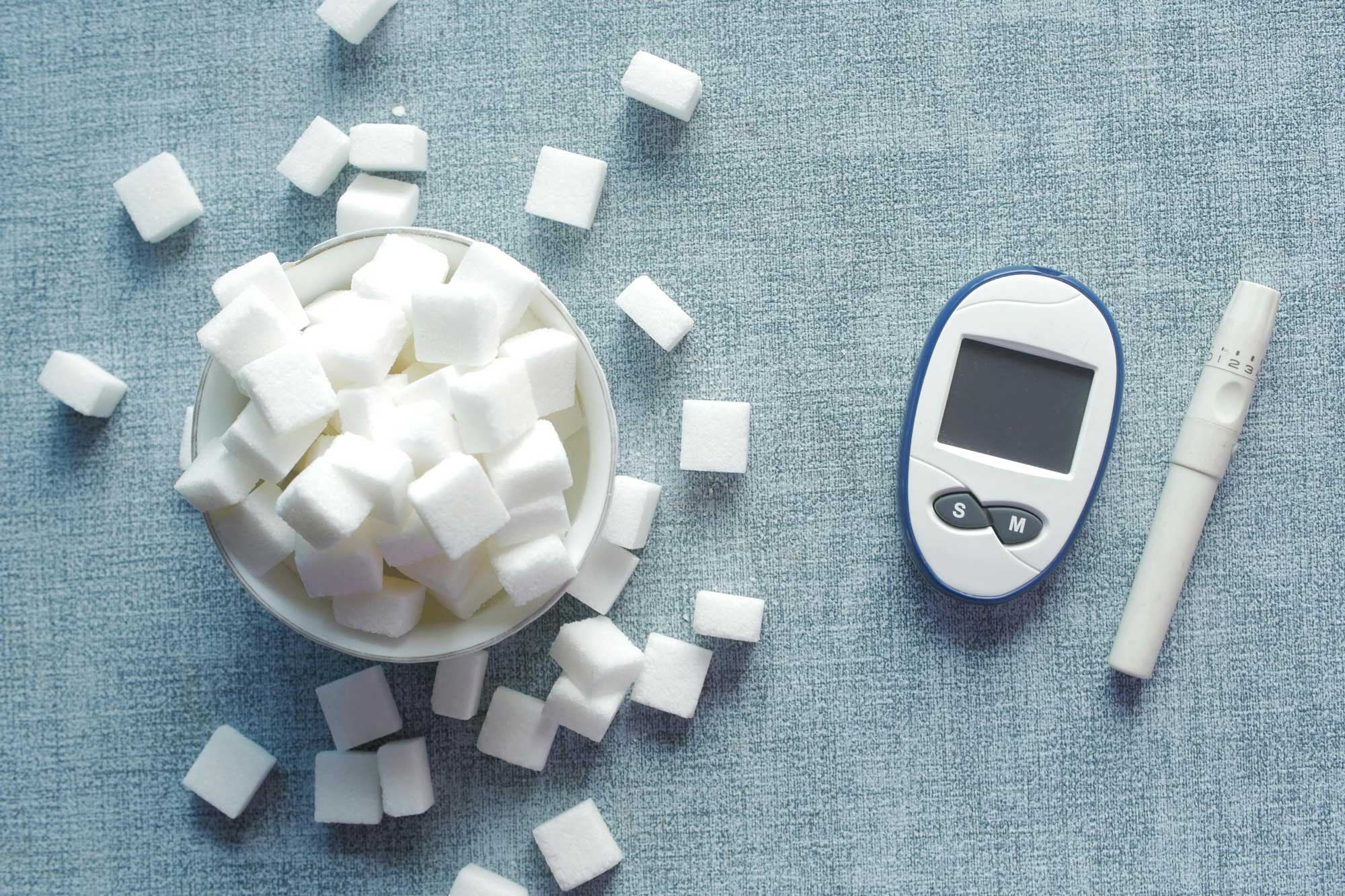
Diabetes blood pressure management is one of the most important – yet often overlooked – aspects of long-term diabetes care. When diabetes and hypertension occur together, the risk of serious health problems rises dramatically. From heart attacks and strokes to kidney failure and vision loss, uncontrolled blood pressure can accelerate diabetes complications at an alarming rate.
If you are living with type 2 diabetes and blood pressure concerns, understanding how these conditions interact is essential. The good news is that with proper blood pressure control in diabetes, lifestyle changes for diabetics, and evidence-based medical care, you can significantly reduce your diabetes and heart disease risk.
In this comprehensive guide, we explore the science behind diabetes and hypertension, the risks of poor control, recommended targets, actionable lifestyle strategies, and medical treatments that protect your heart, kidneys, brain, and blood vessels.
Diabetes and hypertension frequently occur together. Research shows that people with type 2 diabetes are significantly more likely to develop high blood pressure compared to those without diabetes. This is not a coincidence – both conditions share underlying metabolic and vascular mechanisms.
Persistently elevated blood glucose levels damage the inner lining of blood vessels, a process known as endothelial dysfunction. Over time, blood vessels become stiffer, narrower, and less able to relax. This increases resistance to blood flow, raising blood pressure.
In addition, insulin resistance – a hallmark of type 2 diabetes – causes the body to retain more sodium through the kidneys. Sodium retention increases fluid volume, which further elevates blood pressure.
Obesity, chronic inflammation, and hormonal imbalances also contribute to the powerful link between diabetes and hypertension.
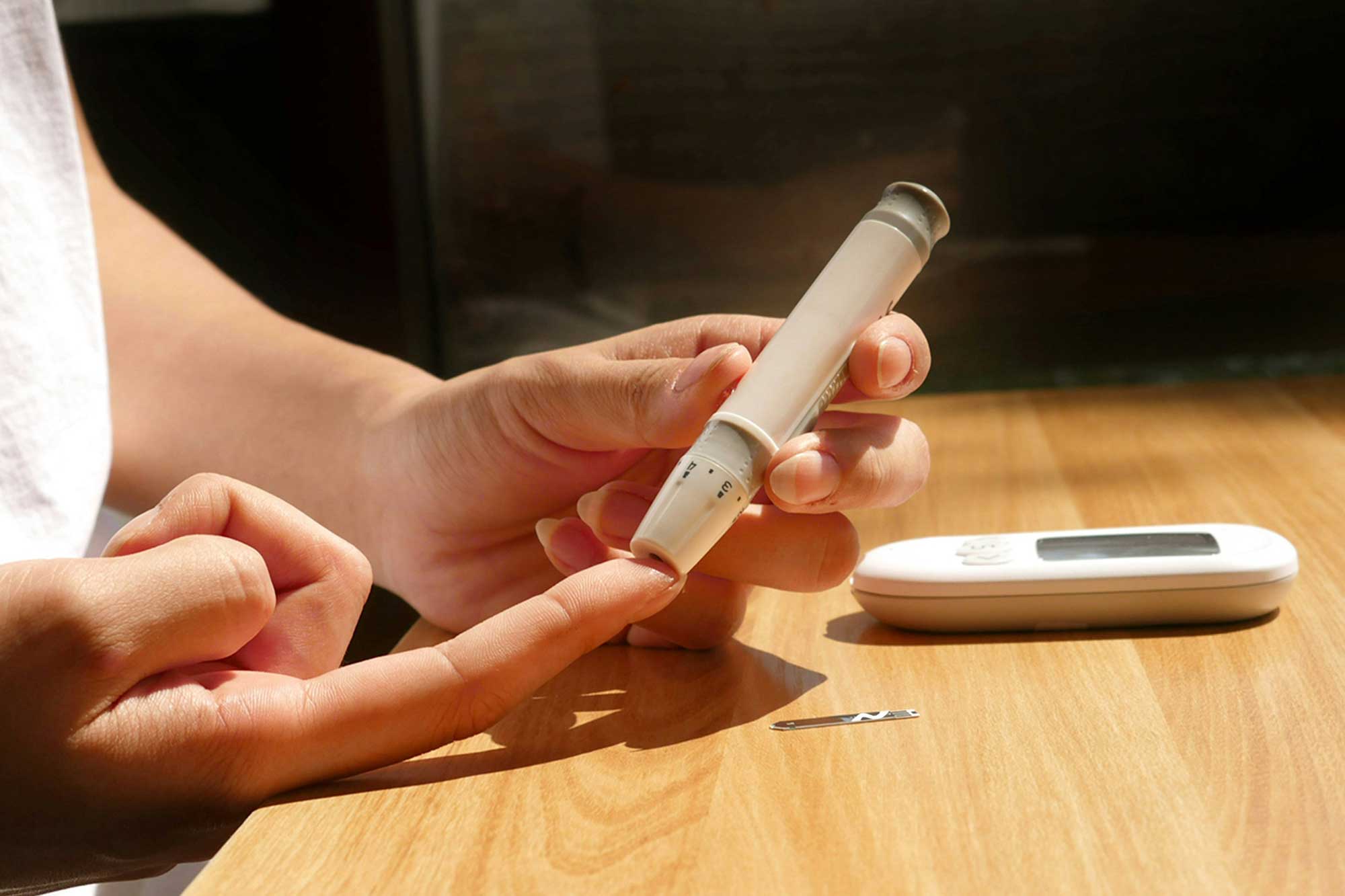
When diabetes blood pressure remains uncontrolled, the damage to blood vessels accelerates. The combination significantly increases diabetes complications across multiple organ systems.
High blood pressure forces the heart to work harder. Meanwhile, diabetes promotes plaque buildup in arteries (atherosclerosis). Together, they greatly increase the risk of heart attack, stroke, and heart failure.
The kidneys contain delicate filtering units that are highly sensitive to both high glucose and elevated pressure. Uncontrolled hypertension accelerates diabetic kidney disease and can ultimately lead to kidney failure.
High blood pressure worsens diabetic retinopathy and neuropathy by impairing blood flow to small vessels supplying the eyes and nerves.
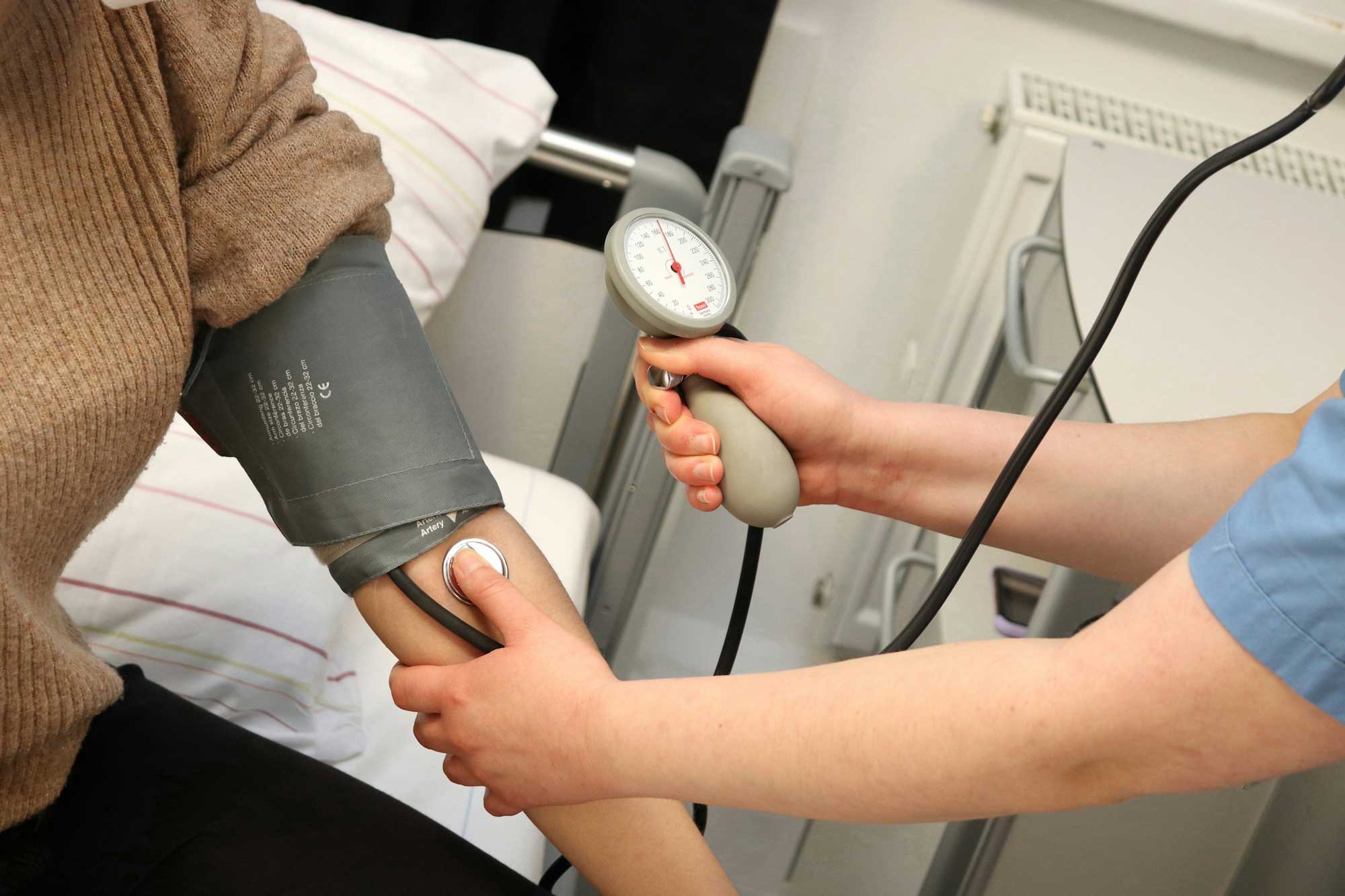
Most clinical guidelines recommend a blood pressure target below 130/80 mmHg for many people with diabetes. However, goals should be individualised based on age, kidney function, cardiovascular history, and medication tolerance.
Regular monitoring at home provides a clearer picture of daily blood pressure patterns. Use a validated automatic cuff, sit quietly for five minutes before measuring, and record multiple readings to share with your healthcare provider.
Lifestyle changes for diabetics form the foundation of blood pressure control in diabetes. In many cases, these strategies can reduce or even delay the need for medication.
The DASH (Dietary Approaches to Stop Hypertension) eating plan emphasises vegetables, fruits, whole grains, lean proteins, and low-fat dairy while limiting saturated fats and red meat.
Reducing sodium intake to under 2,300 mg per day – and ideally closer to 1,500 mg – can significantly lower blood pressure.
Aim for at least 150 minutes of moderate-intensity aerobic activity per week, such as brisk walking, swimming, or cycling. Strength training two to three times weekly improves insulin sensitivity and vascular health.
Even modest weight loss of 5–10% of body weight can produce meaningful improvements in both blood sugar and blood pressure levels.
Excess alcohol raises blood pressure and contributes to poor glucose control. Smoking damages blood vessels and dramatically increases diabetes and heart disease risk.
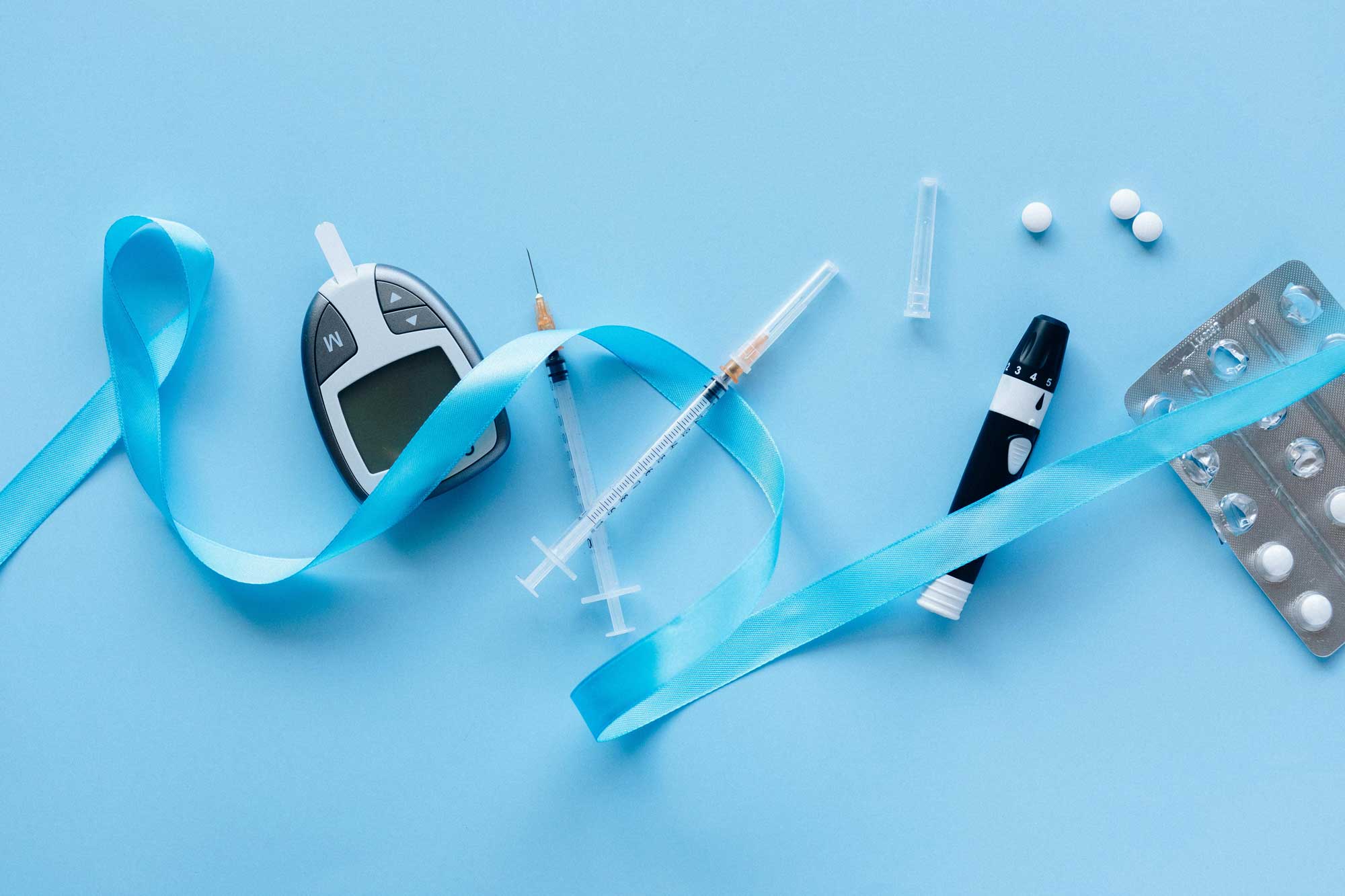
While lifestyle strategies are powerful, many individuals require medication to achieve optimal diabetes blood pressure targets.
These medications relax blood vessels and provide kidney protection. They are commonly recommended as first-line therapy for diabetes and hypertension.
Diuretics help remove excess sodium and fluid, while calcium channel blockers relax arterial walls to reduce resistance.
Medication regimens are often tailored and may involve combination therapy to achieve consistent control.
Effective diabetes blood pressure management also requires attention to cholesterol levels, glycaemic control, sleep quality, stress management, and regular health screenings.
Annual kidney function tests, eye examinations, and cardiovascular assessments allow early detection of diabetes complications before irreversible damage occurs.
Managing diabetes blood pressure is not optional – it is essential. The combination of diabetes and hypertension dramatically increases the risk of heart disease, stroke, kidney failure, and other serious complications.
By committing to lifestyle changes for diabetics, working closely with your healthcare team, and maintaining consistent blood pressure control in diabetes, you can protect your long-term health and significantly lower your diabetes and heart disease risk.
Small daily decisions – from choosing lower-sodium foods to going for a 30-minute walk – accumulate into powerful long-term protection for your heart, kidneys, brain, and blood vessels.
Unlock the power of your DNA • Discover yourself at a genetic level
Understand your health predispositions and take control • Live a longer and healthier life
WhatsApp us