The Power of Beta-Carotene and Carotenoids

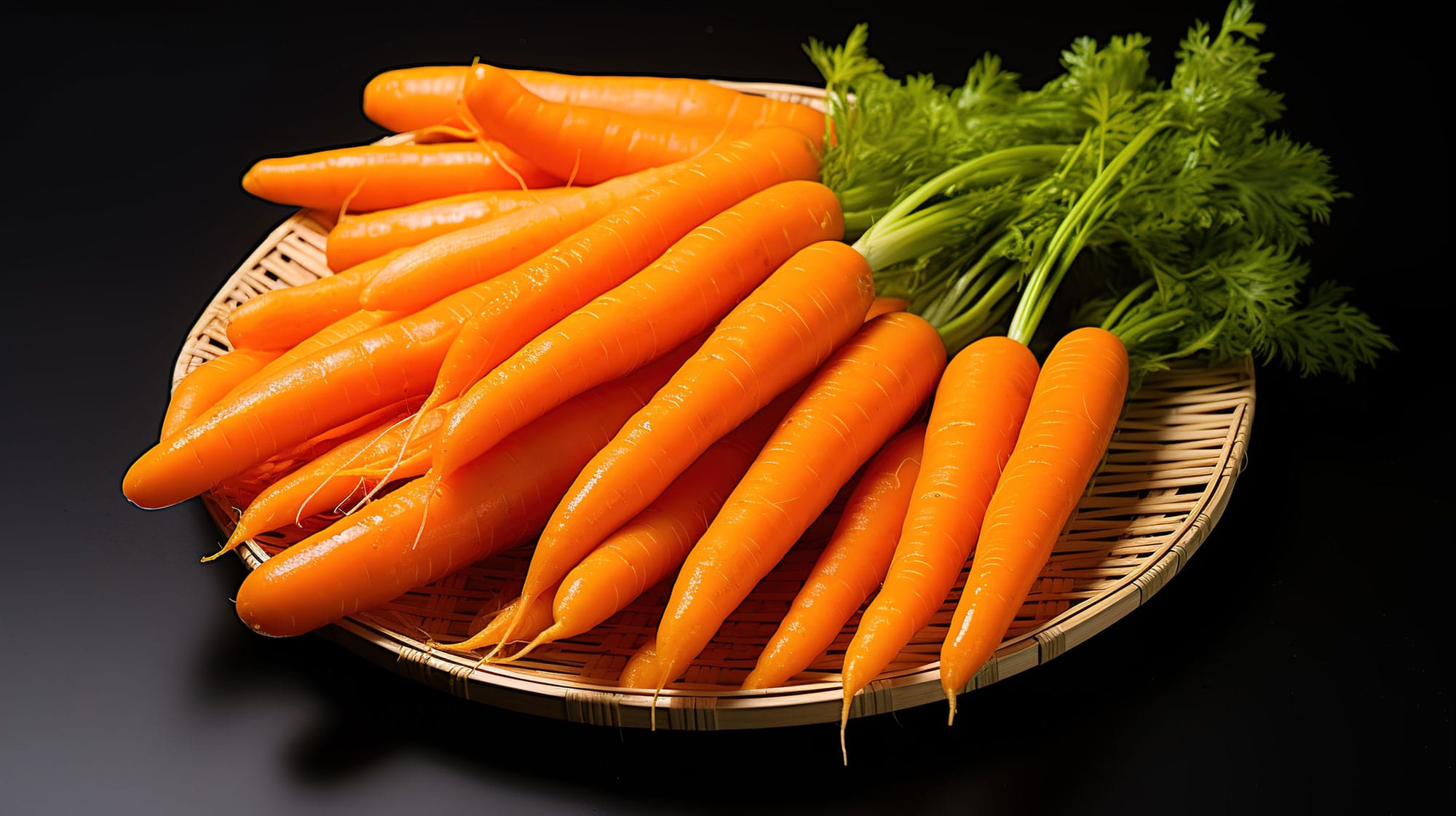
Beta-carotene and Carotenoids blog - Fresh carrots

Beta-carotene is a type of carotenoid, which is a class of pigments found in plants that are responsible for the vibrant colours of many fruits and vegetables. Carotenoids are a diverse group of over 600 naturally occurring pigments, which can be classified into two main categories: carotenes and xanthophylls. Carotenes, such as beta-carotene, are purely hydrocarbon compounds, while xanthophylls contain oxygen.

These pigments play crucial roles in photosynthesis and provide protective functions for plants against environmental stressors, such as UV radiation and pathogens. In addition to their role in the plant kingdom, carotenoids are significant for human health due to their antioxidant properties and their ability to be converted into vitamin A in the body.

Beta-carotene is particularly notable for its role as a precursor to vitamin A, which is essential for various bodily functions, including vision, immune response, and skin health.

The body can convert beta-carotene into retinol, the active form of vitamin A, as needed. This conversion process is tightly regulated, ensuring that the body maintains appropriate levels of vitamin A without the risk of toxicity that can occur with direct supplementation of retinol. Other carotenoids, such as lutein and zeaxanthin, also contribute to health but do not convert to vitamin. Instead, they have unique roles in protecting the eyes and supporting overall health.


Key Takeaways

  • Beta-carotene and carotenoids are natural pigments found in plants, algae, and photosynthetic bacteria that give fruits and vegetables their vibrant colours.
  • Consuming beta-carotene and carotenoids can benefit overall health by acting as antioxidants, supporting eye health, boosting immune function, and potentially reducing the risk of certain types of cancer.
  • Good sources of beta-carotene and carotenoids include carrots, sweet potatoes, spinach, kale, and other colourful fruits and vegetables.
  • Beta-carotene and carotenoids play a crucial role in maintaining eye health by protecting the eyes from harmful light and reducing the risk of age-related macular degeneration.
  • These compounds act as antioxidants in the body, helping to neutralise harmful free radicals and reduce oxidative stress, which can contribute to chronic diseases and aging.
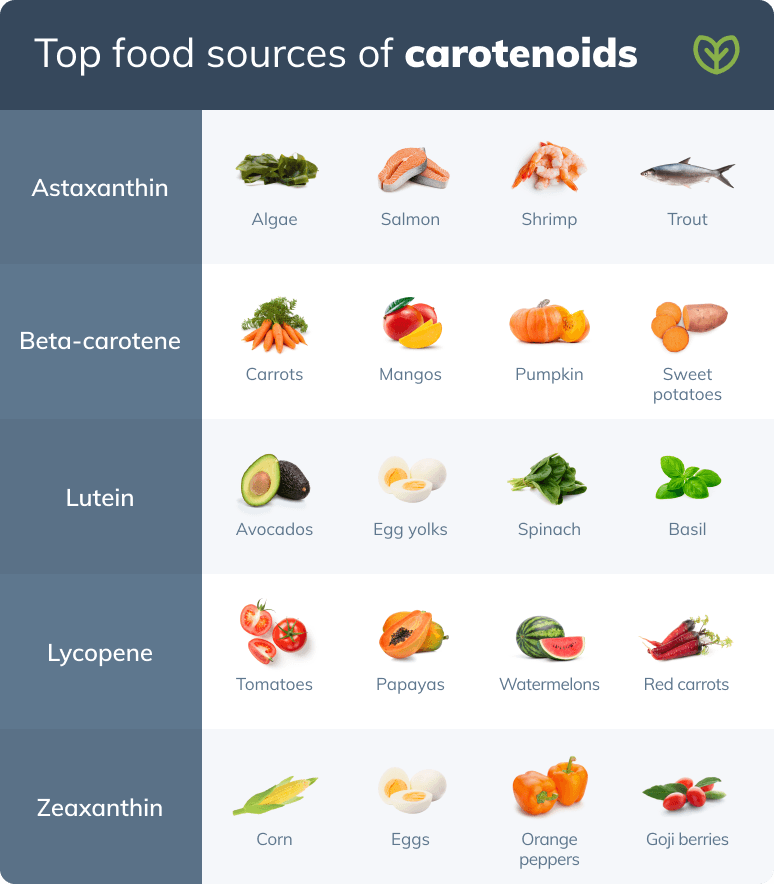
Beta-carotene and Carotenoids blog - carotenoids food sources chart
Credit: Fullscript

The Health Benefits of Beta-Carotene and Carotenoids

The health benefits of beta-carotene and carotenoids extend far beyond their role as precursors to vitamin A. These compounds are well-known for their antioxidant properties, which help neutralise free radicals in the body. Free radicals are unstable molecules that can cause oxidative stress, leading to cellular damage and contributing to various chronic diseases, including heart disease and cancer. By scavenging these harmful molecules, carotenoids can help reduce the risk of developing such conditions.

Moreover, research has shown that a diet rich in carotenoids is associated with a lower risk of chronic diseases. For instance, studies have shown that individuals with higher intakes of beta-carotene and other carotenoids tend to have a reduced risk of cardiovascular disease. This protective effect may be attributed to the ability of carotenoids to improve endothelial function, reduce inflammation, and lower cholesterol levels.

Additionally, carotenoids may enhance immune function by promoting the activity of immune cells, further contributing to overall health.


Sources of Beta-Carotene and Carotenoids

Beta-carotene and other carotenoids are abundant in a variety of fruits and vegetables, making it relatively easy to incorporate them into a balanced diet. Foods particularly high in beta-carotene include carrots, sweet potatoes, butternut squash, and pumpkin. These orange and yellow vegetables are not only visually appealing but also provide a wealth of nutrients that support overall health.

Leafy greens, such as spinach and kale, also contain significant amounts of carotenoids, particularly lutein and zeaxanthin, which are essential for eye health. In addition to vegetables, fruits such as apricots, mangoes, and cantaloupes are excellent sources of beta-carotene. These fruits not only add natural sweetness to meals but also provide hydration and essential vitamins.

It is worth noting that cooking certain vegetables can enhance the bioavailability of beta-carotene; for example, steaming or roasting carrots can increase the amount of beta-carotene that the body can absorb. Therefore, a colourful plate filled with a variety of fruits and vegetables is an effective way to ensure adequate intake of these vital compounds.


The Role of Beta-Carotene and Carotenoids in Eye Health

Beta-carotene and other carotenoids play a pivotal role in maintaining eye health. Lutein and zeaxanthin, two specific carotenoids found in high concentrations in the retina, are known for their protective effects against age-related macular degeneration (AMD) and cataracts. These compounds filter harmful blue light and protect retinal cells from oxidative damage caused by environmental factors such as UV radiation.

The presence of these carotenoids in the diet has been linked to a lower risk of developing AMD, a leading cause of vision loss in older adults. Furthermore, the conversion of beta-carotene to vitamin A is crucial for maintaining good vision. Vitamin A is essential for the production of rhodopsin, a pigment found in the retina that enables vision in low-light conditions.

A deficiency in vitamin A can lead to night blindness and other vision problems. Therefore, ensuring an adequate intake of beta-carotene through a balanced diet is vital for maintaining eye health throughout life.

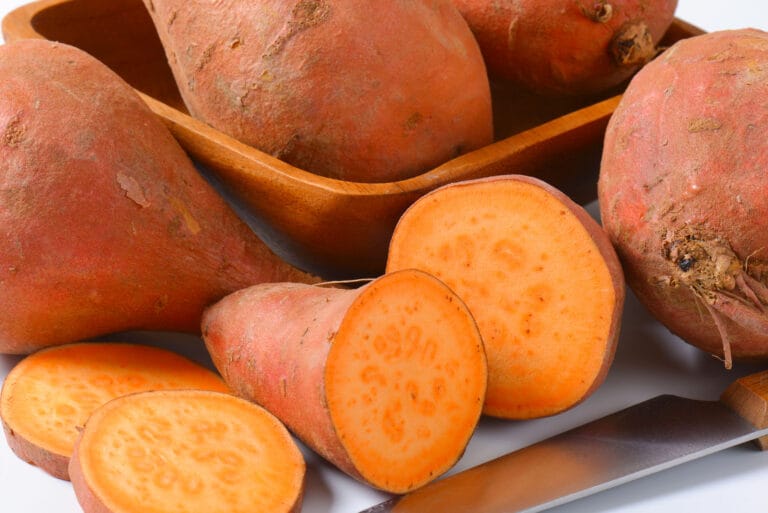
Beta Carotene Sweet Potatos Image

Beta-Carotene and Carotenoids as Antioxidants

The antioxidant properties of beta-carotene and other carotenoids are among their most significant health benefits. Antioxidants are compounds that help protect cells from oxidative stress by neutralising free radicals – unstable molecules that can damage cellular components such as DNA, proteins, and lipids. Oxidative stress has been implicated in various chronic diseases, including cancer, cardiovascular disease, and neurodegenerative disorders.

Research has demonstrated that diets rich in carotenoids can lead to higher levels of antioxidants in the bloodstream. For instance, studies have shown that individuals with higher plasma levels of beta-carotene have a lower risk of developing certain types of cancer. The antioxidant action of beta-carotene may help inhibit tumour growth by reducing inflammation and modulating cell signalling pathways involved in cancer progression.

This highlights the importance of incorporating foods rich in beta-carotene into one’s diet as a preventive measure against oxidative damage.


The Relationship Between Beta-Carotene and Carotenoids and Skin Health

Beta-carotene and other carotenoids also contribute significantly to skin health. Their antioxidant properties help protect the skin from damage caused by UV radiation and environmental pollutants. Studies have shown that individuals with higher dietary intakes of beta-carotene tend to have better skin elasticity and hydration levels.

This is particularly important for maintaining youthful skin appearance and preventing premature aging.

Moreover, beta-carotene can enhance the skin’s natural defence mechanisms against sun damage. Some research suggests that consuming foods rich in beta-carotene may provide a degree of photoprotection – essentially acting as an internal sunscreen by increasing the skin’s resistance to UV-induced erythema (sunburn).

While it should not replace topical sunscreens or protective clothing, incorporating beta-carotene-rich foods into one’s diet can complement sun protection strategies.


Beta-Carotene and Carotenoids in Cancer Prevention

The potential role of beta-carotene and other carotenoids in cancer prevention has garnered significant attention from researchers over the years. Epidemiological studies have consistently shown an inverse relationship between dietary intake of carotenoids and the risk of various cancers, including lung, breast, and prostate cancers. The mechanisms behind this protective effect are multifaceted; carotenoids may inhibit cancer cell proliferation, induce apoptosis (programmed cell death), and enhance immune function.

For example, some studies have suggested that beta-carotene may help reduce the risk of lung cancer among individuals who obtain it through food sources rather than supplements. This distinction is crucial because high-dose beta-carotene supplements have been associated with increased cancer risk in certain populations, particularly smokers. Therefore, obtaining beta-carotene from whole foods rather than supplements is recommended for those looking to harness its potential cancer-fighting properties.

How to Incorporate Beta-Carotene and Carotenoids into Your Diet

Incorporating beta-carotene and other carotenoids into your diet can be both enjoyable and straightforward. A practical approach is to focus on consuming a colourful array of fruits and vegetables daily. Aim for at least five servings per day, emphasising those rich in orange, yellow, red, and dark green hues.

For instance, adding sliced carrots or sweet potatoes to salads or stir-fries can enhance both flavour and nutritional value. Smoothies are another excellent way to boost your intake of these beneficial compounds. Blending spinach or kale with fruits like mango or pineapple creates a delicious drink packed with vitamins and antioxidants.

Roasting vegetables such as bell peppers or butternut squash not only enhances their flavour but also increases the bioavailability of beta-carotene. Experimenting with different cooking methods can make it easier to enjoy these nutrient-dense foods while reaping their health benefits.


The Importance of Beta-Carotene and Carotenoids in Immune Function

Beta-carotene and other carotenoids play a crucial role in supporting immune function. They contribute to the maintenance of healthy immune cells by enhancing their activity and proliferation. Research has shown that individuals with higher levels of beta-carotene tend to have improved immune responses compared to those with lower levels.

This is particularly important during times when the body is under stress or fighting infections. Moreover, beta-carotene’s antioxidant properties help reduce inflammation within the body – a key factor in maintaining optimal immune function. Chronic inflammation can impair immune responses and increase susceptibility to infections and diseases.

By incorporating foods rich in beta-carotene into your diet, you can support your immune system’s ability to function effectively while reducing inflammation.

Beta Carotene Pumpkins Image

Harnessing the Power of Beta-Carotene and Carotenoids for Overall Health

The myriad benefits associated with beta-carotene and other carotenoids underscore their importance in promoting overall health. From supporting eye health to enhancing immune function and providing antioxidant protection against chronic diseases, these compounds play vital roles in maintaining well-being. By incorporating a diverse range of colourful fruits and vegetables into your diet, you can easily harness the power of these nutrients while enjoying delicious meals.

As research continues to unveil the complexities surrounding these compounds’ roles in human health, it becomes increasingly clear that a diet rich in natural sources of beta-carotene and other carotenoids is one of the simplest yet most effective strategies for enhancing health outcomes across various domains – making them indispensable allies in our quest for optimal wellness.

To summarise…

Beta-carotene, a type of carotenoid, is a vital nutrient recognised for its role in supporting eye health and enhancing the immune system. Carotenoids, including beta-carotene, are pigments found in plants that provide vibrant colours and have antioxidant properties. For those interested in exploring more about the implications of these nutrients and their genetic interactions, an insightful article can be found on the MyDNA blog. This article explores various aspects of DNA testing and its relevance to understanding how our bodies metabolise nutrients like beta-carotene. Read more here.

Unlock the power of your DNA • Discover yourself at a genetic level
Understand your health predispositions and take control • Live a longer and healthier life