Genetic testing for cancer risk has emerged as a significant tool in modern medicine, offering individuals insights into their predisposition to various cancers. This article explores the mechanisms, applications, and implications of such testing, providing a factual overview for the general reader. Understanding these aspects can empower individuals to make informed decisions regarding their health management.
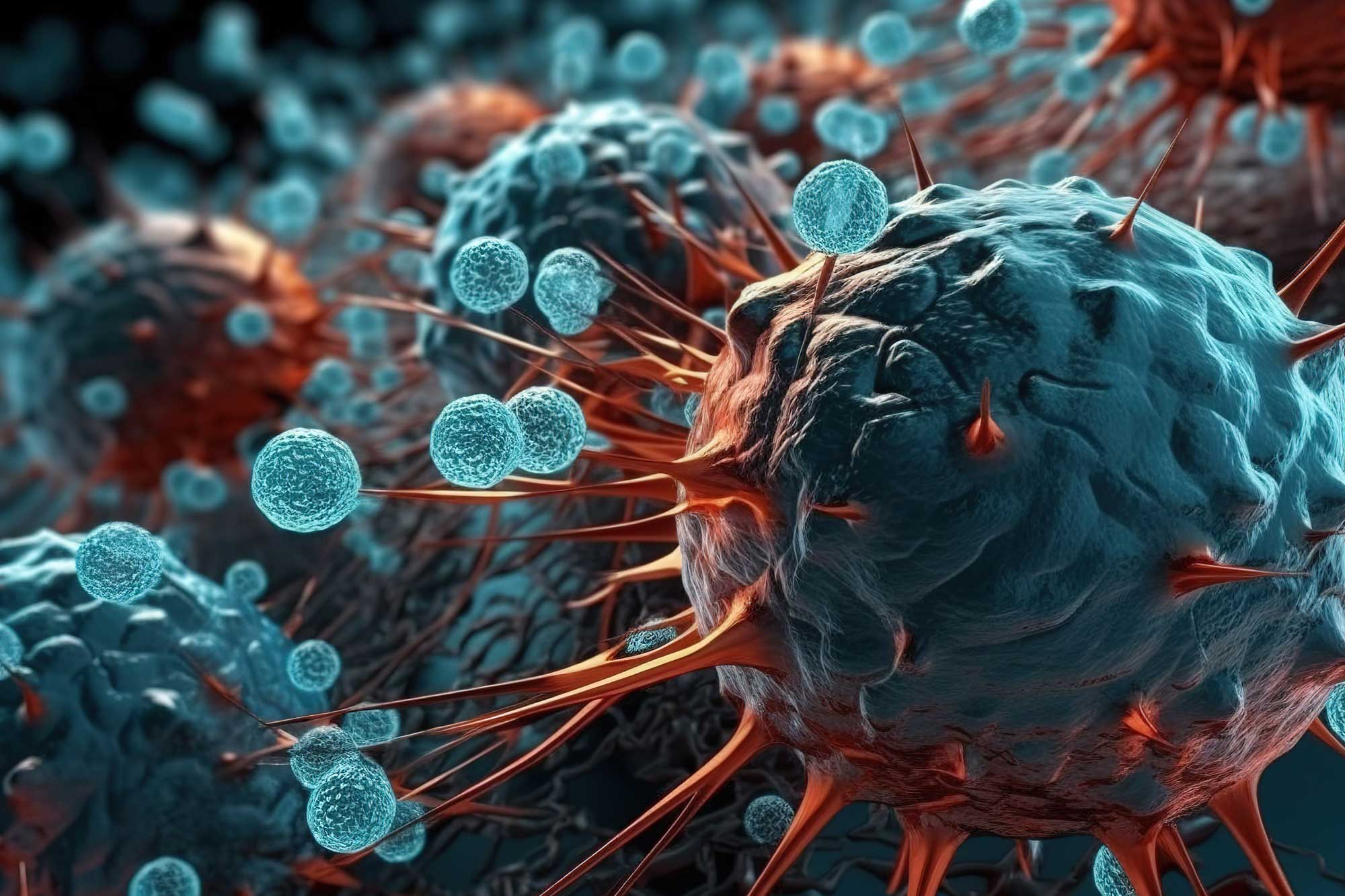
Cancer development is frequently a multi-step process involving an accumulation of genetic alterations. While many cancers arise sporadically due to acquired mutations throughout a lifetime, a subset, estimated at 5-10%, is hereditary. These hereditary cancers are linked to germline mutations, alterations in genes passed down from parents to offspring.
Genes are fundamental units of heredity, comprised of DNA. They provide instructions for building and maintaining an organism. DNA, or deoxyribonucleic acid, is a complex molecule found within the nucleus of cells that carries the genetic information necessary for life. Imagine DNA as a vast instruction manual for your body, with each gene being a specific chapter.
It is crucial to distinguish between germline and somatic mutations. Germline mutations are present in every cell of an individual’s body, including the reproductive cells, meaning they can be inherited. Somatic mutations, on the other hand, occur in individual cells during a person’s lifetime and are not inherited. Genetic testing for cancer risk primarily focuses on identifying germline mutations. Think of it like this: a germline mutation is a typo in the original blueprint passed down through generations, while a somatic mutation is a new error that appears in a single copy of the blueprint during manufacturing.
Genetic testing for cancer has become an increasingly important tool in personalised medicine, allowing individuals to understand their genetic predispositions and make informed health decisions.
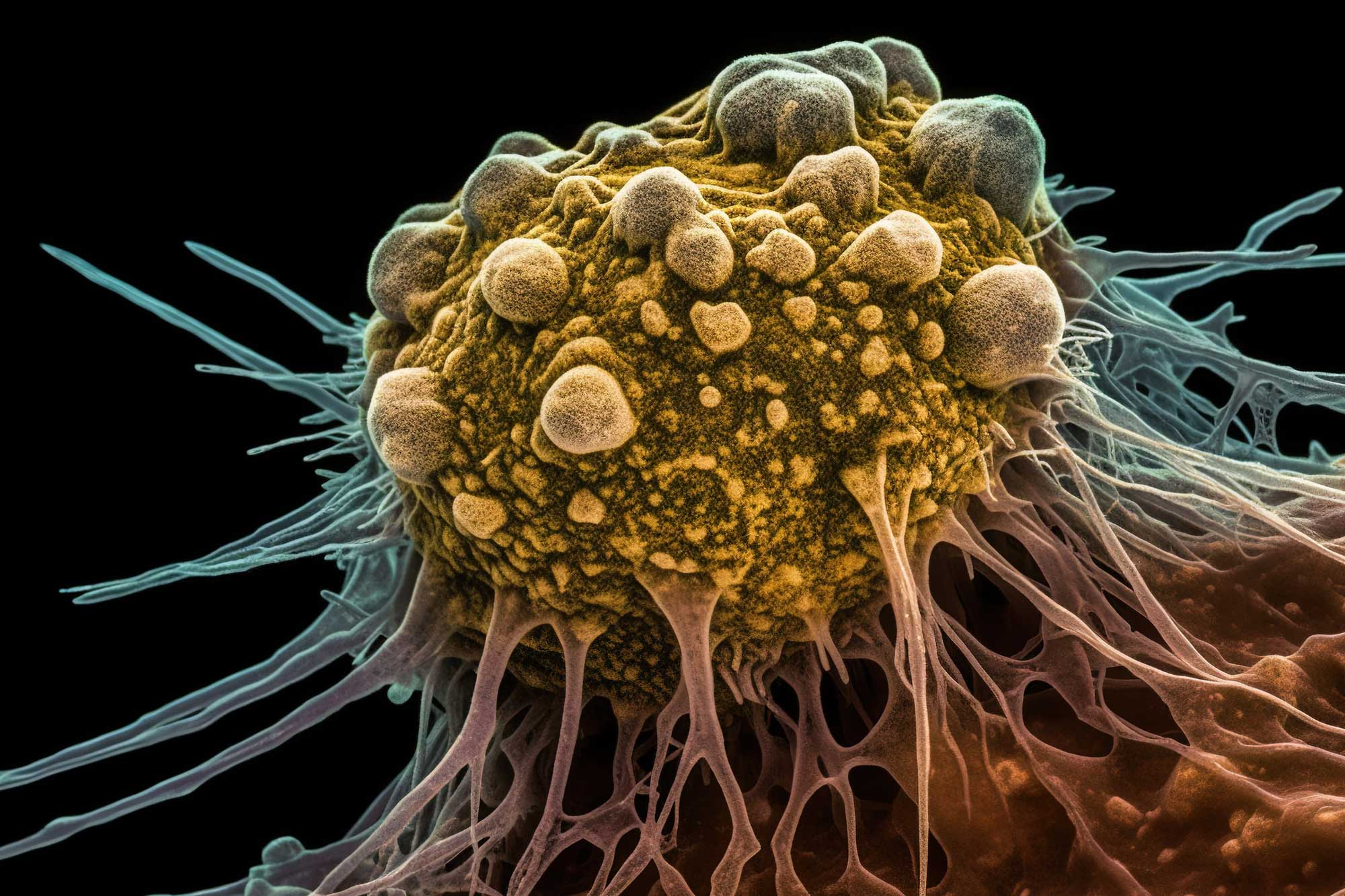
Genetic testing for cancer risk involves analysing an individual’s DNA to identify specific genetic variations, or mutations, that increase the likelihood of developing certain cancers. These tests typically focus on genes known to play a role in DNA repair, cell growth, or tumour suppression.
Several approaches are employed in genetic testing:
Typically, genetic testing involves a simple blood draw or saliva sample. The DNA is then extracted from these samples and analysed in a laboratory. The results, often accompanied by genetic counselling, explain whether specific mutations associated with cancer risk were identified.
Receiving genetic test results can be a profound experience, and their interpretation requires careful consideration and expert guidance.
A positive result indicates that a pathogenic or likely pathogenic mutation has been identified. This means you carry a genetic alteration that significantly increases your risk of developing certain cancers. Crucially, a positive result does not guarantee that you will develop cancer, but it does mean your risk is elevated compared to the general population. It signals a higher probability, like a higher chance of rain on a given day, not a certainty of precipitation.
A negative result indicates that no known pathogenic mutations were found in the genes tested. In individuals with a known family mutation, a negative result suggests they did not inherit that mutation, making their cancer risk similar to that of the general population. However, it is important to remember that a negative test does not rule out the possibility of cancer completely, as most cancers are sporadic. It simply means the specific genetic “red flags” screened for were not present.
Occasionally, genetic testing may identify a variant of unknown significance (VUS). A VUS is a genetic change whose impact on cancer risk is not yet clear. Further research and data collection are often needed to determine if a VUS is benign or pathogenic. Receiving a VUS result can be challenging because it does not provide a definitive answer about cancer risk. It’s like finding a word in the instruction manual that you don’t recognise, and whose meaning isn’t immediately clear, so you need to investigate further.

The knowledge gleaned from genetic testing for cancer risk has significant implications for individuals and their healthcare providers.
Genetic testing allows for a more personalised assessment of an individual’s cancer risk. This moves beyond traditional risk factors, such as age and family history alone, to incorporate specific genetic predispositions. This provides a more tailored understanding, like having a custom weather forecast for your specific location rather than a general regional forecast.
For individuals with a positive genetic test result, healthcare providers can recommend intensified screening protocols. For example, women with BRCA1/2 mutations may undergo earlier and more frequent mammograms, breast MRIs, and transvaginal ultrasounds to detect cancers at their earliest, most treatable stages. This proactive approach acts as an early warning system, allowing intervention before problems escalate.
In some cases, individuals with significantly elevated cancer risk due to genetic mutations may opt for prophylactic (preventive) interventions. These could include prophylactic surgery, such as a mastectomy or oophorectomy for individuals at high risk of breast and ovarian cancer, respectively. Chemoprevention, using medications to reduce cancer risk, is another potential prophylactic strategy. These are like removing a faulty circuit before it causes a major electrical problem.
Genetic testing can also inform family planning decisions. Individuals carrying pathogenic mutations may consider preimplantation genetic diagnosis (PGD) in conjunction with in vitro fertilisation (IVF) to select embryos free of the inherited mutation. Alternatively, prenatal diagnosis can be performed during pregnancy to assess fetal genetic status. These options allow for informed choices regarding the hereditary transmission of cancer risk.
While not directly related to risk assessment, identifying certain germline mutations can also inform treatment decisions if cancer develops. For instance, some targeted therapies are more effective in cancers harbouring specific genetic alterations, regardless of whether those alterations were inherited or acquired. This means the genetic information can guide the choice of weapon in the fight against cancer.
Genetic testing for cancer has become an essential tool in modern medicine, offering insights that can significantly impact treatment decisions and outcomes. For those interested in understanding how predictive testing can play a crucial role in early detection and prevention, a related article discusses the potential life-saving benefits of such tests. You can read more about this important topic in the article on predictive testing. This resource highlights how advancements in genetic research are shaping the future of cancer care.

The field of genetic testing is rapidly evolving, promising even more sophisticated and accessible tools for cancer risk assessment.
Improvements in sequencing technologies are leading to faster, more affordable, and more comprehensive genetic analyses. This will likely expand the reach of genetic testing and enable the discovery of new genetic markers associated with cancer risk. Imagine a magnifying glass that gets progressively more powerful and precise.
Artificial intelligence (AI) and machine learning (ML) are being increasingly utilised to interpret complex genetic data, identify patterns, and predict cancer risk with greater accuracy. These technologies can help scientists make sense of the vast amounts of genetic information generated by modern sequencing. They are like expert librarians who can quickly find patterns and connections within vast collections of books.
The intersection of genetics and pharmacology, known as pharmacogenomics, is a growing area. Understanding an individual’s genetic profile can help guide the selection and dosing of cancer therapies, minimising side effects and maximising efficacy. This is about tailoring medicine to an individual’s unique genetic makeup, like choosing the right key for a specific lock.
While currently limited to individuals with specific risk factors, some researchers envision a future in which population-level genetic screening for cancer risk becomes more common, offering broader preventive opportunities. This would represent a shift from reactive medicine to proactive health management on a larger scale.
In conclusion, genetic testing for cancer risk is a powerful tool with the potential to significantly impact individual health. By providing insights into genetic predispositions, it empowers individuals to engage in proactive health management, from enhanced screening to prophylactic interventions. However, the responsible application of this technology necessitates careful consideration of ethical implications, robust genetic counselling, and equitable access. As our understanding of the human genome deepens, genetic testing will undoubtedly play an even more central role in the future of cancer prevention and personalised medicine.
What is genetic testing for cancer?
Genetic testing for cancer involves analysing a person’s DNA to identify inherited mutations that may increase the risk of developing certain types of cancer. This testing helps in assessing cancer risk and guiding prevention or treatment strategies.
Who should consider genetic testing for cancer?
Individuals with a family history of cancer, especially cancers like breast, ovarian, colorectal, or prostate cancer, or those who have been diagnosed with cancer at a young age, may consider genetic testing. A healthcare provider or genetic counsellor can help determine if testing is appropriate.
How is genetic testing for cancer performed?
Genetic testing typically requires a blood or saliva sample, which is then analysed in a laboratory to look for specific gene mutations associated with increased cancer risk.
What are the benefits of genetic testing for cancer?
The benefits include identifying increased cancer risk, enabling early detection and prevention strategies, informing treatment decisions, and providing valuable information for family members who may also be at risk.
Are there any risks or limitations to genetic testing for cancer?
Genetic testing may not detect all cancer-related mutations, and a negative result does not guarantee that cancer will not develop. There can also be psychological impacts, privacy concerns, and potential insurance implications, so counselling before and after testing is recommended.
Unlock the power of your DNA • Discover yourself at a genetic level
Understand your health predispositions and take control • Live a longer and healthier life
WhatsApp us