Cancer and heart disease tend to dominate the health conversation, but conditions like kidney, thyroid, hearing, respiratory and liver health affect quality of life just as much, and several carry a genuine genetic component worth understanding. Seven awareness moments mark these conditions through the year, World Kidney Day, World Oral Health Day, World Hearing Day, World Thyroid Day, World Asthma Day, World Hepatitis Day and World No Tobacco Day, and this guide draws the genetics behind all seven into a single place.
What follows covers each of these areas in turn: what a genetic predisposition can add, and just as importantly, where established screening and lifestyle factors still do the real work.
Singapore’s ageing population makes conditions like chronic kidney disease and hearing loss an increasingly common part of the health conversation, even though they rarely get the same attention as cancer or heart disease. Mapping genetic risk by organ, rather than treating each condition as a one-off concern, gives a fuller picture of where your own predisposition sits across all seven.

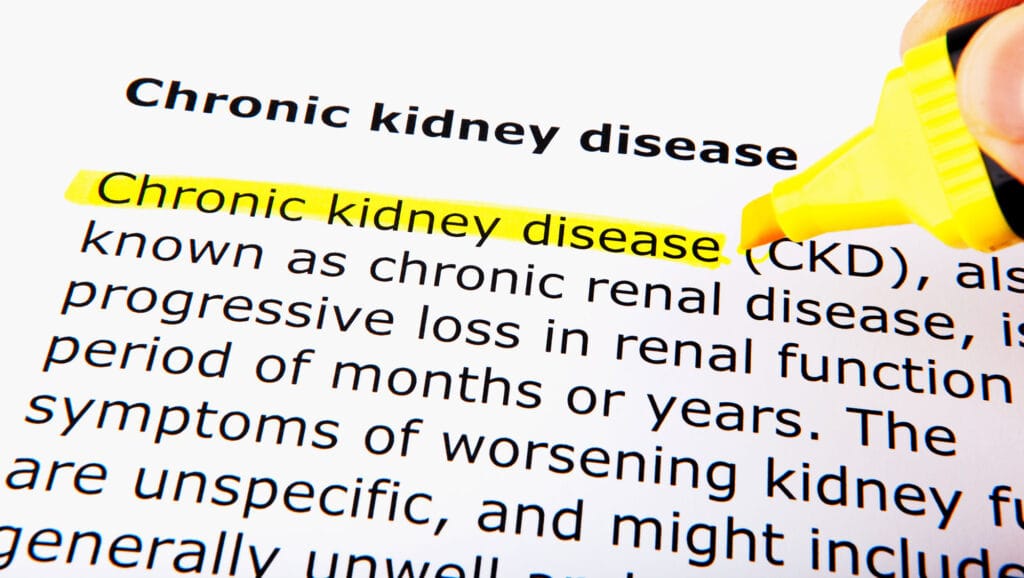
Chronic kidney disease often progresses silently until it reaches an advanced stage, which is why regular screening (blood pressure, urine and blood tests) matters, especially for anyone with diabetes, hypertension or a family history of kidney disease. Genetic predisposition testing adds one more input to that risk picture, alongside these established screening methods, not instead of them. The National Kidney Foundation Singapore runs screening and education programmes.
Diabetes and hypertension are the two leading causes of chronic kidney disease in Singapore, which is why anyone managing either condition is typically screened for kidney function as a matter of course. A genetic predisposition to kidney disease adds another reason to keep those regular checks up, particularly if a close relative has needed dialysis or a transplant. Diabetes and hypertension predisposition is covered in more depth in our metabolic and heart health guide.
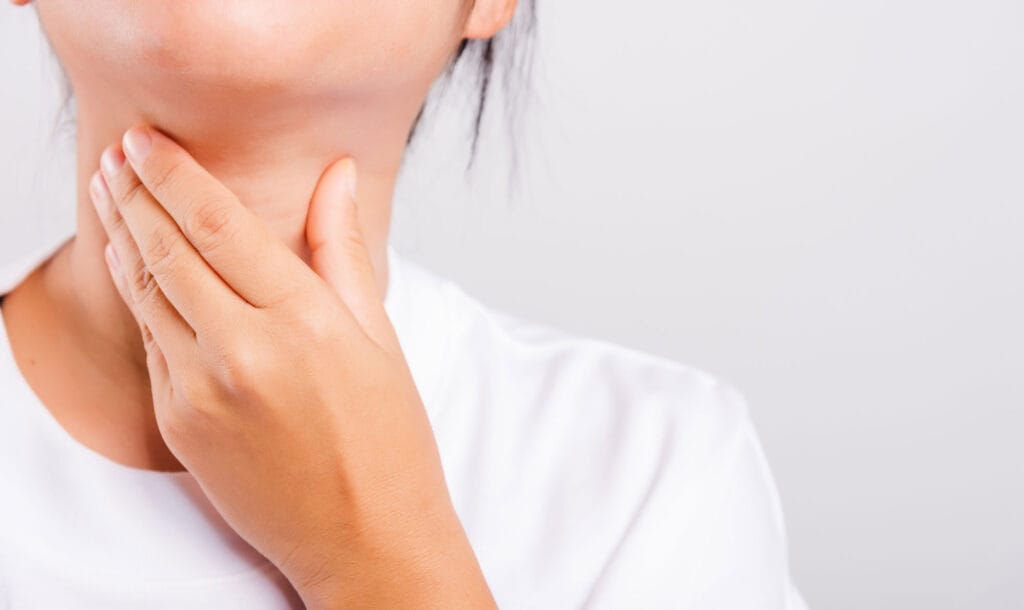
The thyroid regulates metabolism, energy and growth, and thyroid disorders, underactive, overactive or nodular, are common and frequently missed because symptoms like fatigue or weight change are easy to attribute to other causes. Genetic predisposition, alongside a family history of thyroid disease, is one factor doctors consider when deciding how closely to monitor thyroid function. SingHealth has more on thyroid disorders.
Thyroid conditions affect women considerably more often than men, and autoimmune thyroid disease, where the body’s own immune system affects the thyroid, has a documented genetic and family component. Symptoms like unexplained fatigue, weight change or mood shifts are easy to attribute to stress or ageing, which is why a genetic predisposition result can be a useful prompt to ask specifically about thyroid function at a check-up.
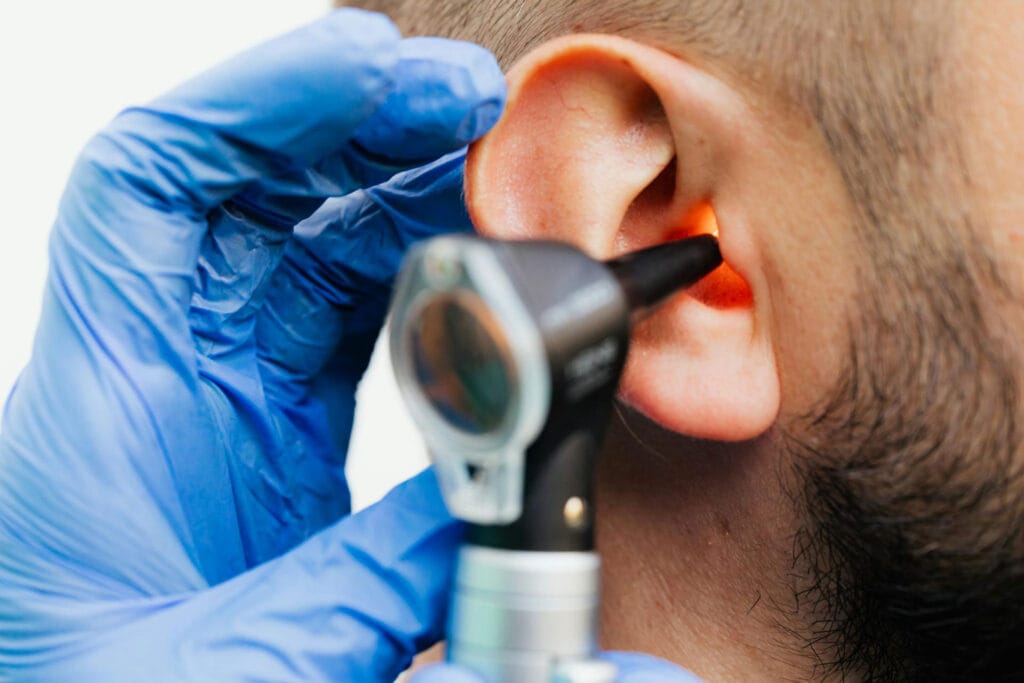
Hearing loss can stem from genetics, noise exposure, infection, certain medications, or ageing, often in combination. Knowing a genetic predisposition to hereditary hearing loss can be a reason to prioritise regular hearing checks and protective habits (like limiting exposure to loud environments) earlier than you might otherwise. The Singapore Association for the Deaf runs hearing care services.
Some forms of hereditary hearing loss appear gradually over decades rather than at birth, which means a family history is worth mentioning even if your own hearing currently seems fine. Early identification gives more options, from protective habits to assistive technology, than waiting until hearing loss is already noticeable in daily life.
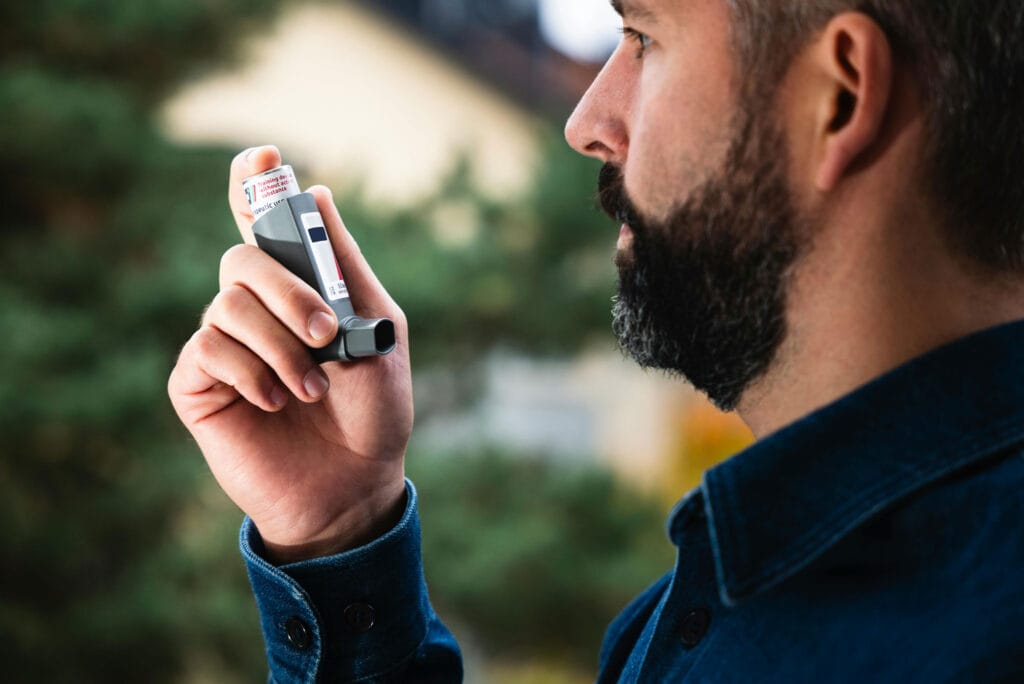
Asthma has a well-established genetic component, and several genes linked to susceptibility have been identified through research. A genetic predisposition result can support earlier conversations about triggers and management with a doctor, though only a doctor can confirm asthma, not a genetic report. Singapore’s Asthma & Allergy Association is a useful local resource.
A family history of asthma, eczema and allergic rhinitis together, sometimes called the atopic triad, is one of the stronger signals of a shared genetic predisposition across all three. Singapore’s climate and urban environment also play a role in symptom severity, which is why management plans here often differ from guidance written for other countries.
Liver health is shaped by a mix of genetics, lifestyle and, for hepatitis specifically, viral exposure. Genetic predisposition testing can flag factors relevant to how your liver processes certain substances, which is useful context for a doctor, particularly around medication and alcohol. Hepatitis screening and vaccination remain the primary tools for prevention, genetics is a supporting layer, not a substitute. NUHS has more on hepatitis B in Singapore.
Hepatitis B is more prevalent in parts of Asia than in Western populations, which shapes why Singapore’s screening and vaccination programmes are structured the way they are. A genetic predisposition to how the liver processes certain substances is a separate, additional layer worth discussing with a doctor, particularly around alcohol and specific medications.

Genetics influences how addictive nicotine is for a given person and how the body processes certain toxins, which partly explains why quitting is harder for some people than others. That’s a reason for compassion in how quitting support is framed, not a reason to see genetic predisposition as an excuse. Quitting remains one of the single most effective things a person can do for long-term health, regardless of genetic profile. HPB’s I Quit programme is Singapore’s main support option.
Beyond nicotine addiction itself, genetic variants also influence how efficiently the body clears certain carcinogens found in tobacco smoke, helping explain why smoking-related predisposition varies between individuals even at similar smoking levels. None of that changes the core advice: quitting remains the single most effective step, regardless of genetic profile.
A MyDNA test reads genetic markers linked to organ and specialty health predisposition, alongside a separate set covering nutrition, fitness and other wellness traits, delivered as one confidential online report with a consultation to talk through what it means for you.
It doesn’t replace a blood test, a hearing test, a lung function test or anything else your doctor recommends. What it contributes is a genetic starting point, useful for flagging which of these areas might be worth a closer look sooner rather than later.
The same report covers nutrition, fitness and general wellness markers too, so organ and specialty health predisposition sits within a fuller genetic picture rather than standing alone across seven separate topics. Many clients find that combined view easier to act on than seven disconnected results.
No. It shows a genetic predisposition based on inherited markers, not a diagnosis. Each of these requires its own clinical test, blood and urine tests for kidney and thyroid function, and lung function tests or a doctor’s assessment for asthma.
Not necessarily. Family history raises your statistical predisposition, but these conditions result from a mix of genetic, lifestyle and environmental factors. A genetic report adds one data point, not a prediction.
Genetics does influence how addictive nicotine is for a given person, which is one reason quitting is harder for some people than others. It’s a reason for compassion in support, not an excuse to not try.
No. Vaccination, screening and any test your doctor recommends remain essential regardless of your genetic results.
Take it to your doctor. It’s a reason to ask about closer monitoring or an earlier test, not something to interpret or act on alone.
They don’t share a single cause, but each carries a genuine genetic component and each tends to get less attention than cancer or heart disease. Grouping them means covering seven awareness moments properly instead of splitting them across seven thin, low-traffic pages.
It can still offer context, for family members, or for conditions you haven’t been screened for yet, but managing a condition you already have should stay with your treating doctor.
No. It raises predisposition, particularly for gradual, hereditary hearing loss, but many contributing factors, including noise exposure and ageing, are not determined by genetics alone.
Kidney, thyroid and hearing health rarely get a workshop of their own, even though genetic predisposition plays a real part in all three, and smoking-related risk touches a meaningful share of any workplace.
MyDNA runs sessions for companies and community groups that bring these less-discussed conditions into the open, alongside practical genetic insight into tobacco-related risk. It’s a chance to cover ground a standard wellness calendar usually leaves out.
These seven topics rarely appear together anywhere else in a corporate wellness calendar, which makes the session genuinely new content for most audiences rather than a repeat of a diabetes or heart-health talk they’ve already had. Teams with a Singapore-based, ageing workforce tend to find the kidney and hearing sections particularly relevant.

This guide is built on MyDNA’s direct-to-consumer testing, meant for wellness and informational purposes, not diagnosis. A predisposition result shows likelihood, not certainty, and doesn’t substitute for a blood test, a hearing test, a lung function test, or any clinical assessment. Take your results to a qualified healthcare professional, and check with one before starting a supplement, particularly if you’re pregnant, have an existing condition, or take prescribed medication.