In Singapore, cancer eventually touches nearly every family, directly or through someone close to them. Six calendar dates carry that awareness through the year: World Cancer Day, Breast Cancer Awareness Month, Ovarian Cancer Awareness Month, World Cervical Cancer Elimination Day, Cervical Health Awareness Month and Prostate Awareness Month. Rather than give each one its own page and its own week of attention, this guide draws the genetics side of all six together in one place.
Prevention and early detection do the heaviest lifting against cancer, and genetics is only one part of that picture. Some risk is inherited through specific gene variants, some comes from lifestyle and environment, and most cancers involve both. Predictive DNA testing looks at the inherited part, flagging markers tied to a higher genetic predisposition, which can shape how you and your doctor think about screening frequency and timing. It sits alongside your existing screening, mammograms, Pap smears and PSA tests, not instead of any of them.
Singapore’s own cancer statistics make the case plainly: it remains the leading cause of death here, and family history plus lifestyle together explain a meaningful share of who develops it. A genetic predisposition profile adds one more, deeply personal layer of cancer risk prevention to the screening someone might already be doing, or should be.



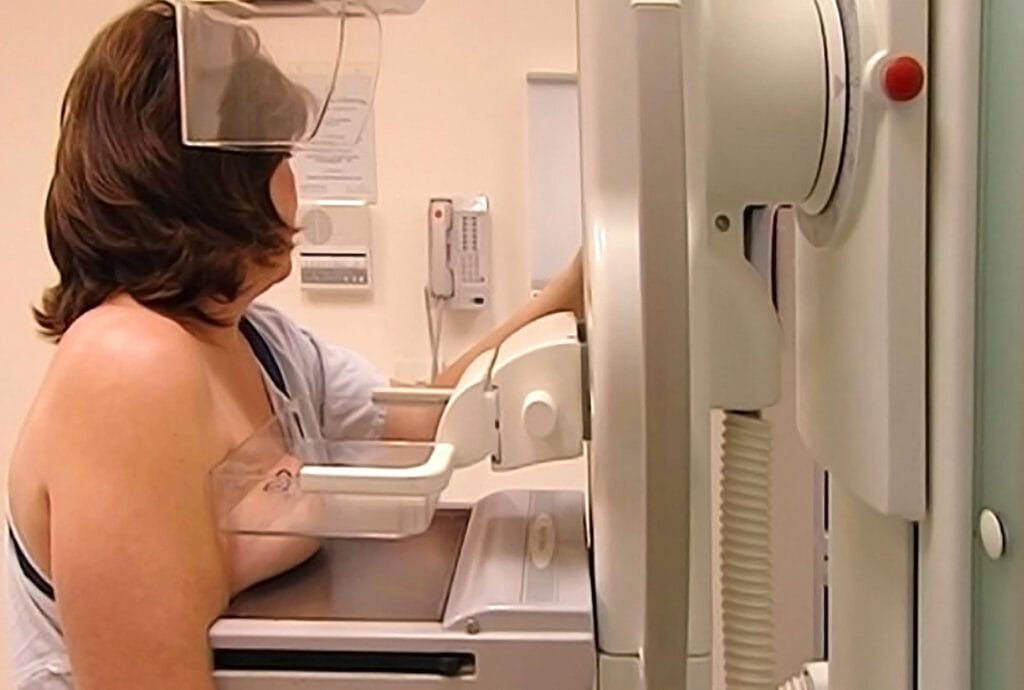
Certain inherited gene variants, best known as BRCA1 and BRCA2, are linked to a significantly higher predisposition to both breast and ovarian cancer, a pattern sometimes called hereditary breast and ovarian cancer syndrome. These genes normally help repair damaged DNA, and an inherited fault in either one reduces that repair capacity over a lifetime. Most breast and ovarian cancers are not linked to BRCA1 or BRCA2 at all, and having a variant does not mean cancer is certain, it means the underlying predisposition is higher than average.
Family history remains one of the strongest signals: multiple relatives with breast or ovarian cancer, cancer at a younger age, or both cancers appearing in the same family are all reasons a doctor might discuss genetic counselling. Knowing your genetic risk profile can inform how often you’re screened, whether mammograms should start earlier than the general guideline, and what specifically to raise with your doctor. Predictive DNA testing looks at these markers alongside your broader genetic profile, giving you a fuller picture than family history alone, though it is not a substitute for a clinical genetic test where your history suggests one is warranted. NCCS’s breast screening programme and the Singapore Cancer Society’s ovarian cancer resources are a good place to start.
Genetic counselling is available in Singapore for anyone with a strong family history, several relatives affected, cancer at a younger age, or both breast and ovarian cancer in the same family, and NCCS runs a dedicated Cancer Genetics Service for exactly this. A predisposition result from a wellness DNA test isn’t a substitute for that clinical pathway, but it can be the nudge that gets someone to ask their doctor whether a referral makes sense.
BRCA1 and BRCA2 variants also carry implications beyond breast and ovarian cancer, including a higher predisposition to pancreatic cancer and, in men, prostate cancer, which is why a positive family history on the father’s side matters just as much as the mother’s.

Cervical cancer is one of the more preventable cancers, largely because two things work together: HPV vaccination and regular Pap smears (or the newer HPV DNA test now used in many screening programmes). Persistent infection with high-risk strains of human papillomavirus, particularly HPV 16 and 18, is understood to drive the large majority of cervical cancer cases, which is why vaccination before exposure and regular screening after sexual activity begins both matter so much.
Genetics plays a smaller, less well-defined role here compared to the other cancers on this page, since HPV exposure and persistence are the dominant risk factors. DNA testing does not replace either vaccination or screening, but a fuller genetic and health profile can still add useful personal context, particularly around related factors like immune response, that helps you and your doctor decide how closely to monitor. Vaccination and regular screening stay the frontline defence regardless of any genetic result. HealthHub has more on cervical cancer screening and HPV vaccination in Singapore.
Singapore’s cervical cancer screening programme has shifted toward HPV testing as the primary method for women 30 and older, repeated every five years if the result is negative, a change from the older annual Pap smear routine. Vaccination is most effective before HPV exposure, which is why it’s offered to girls (and increasingly boys) in secondary school, but catch-up vaccination is available for older individuals who missed it.
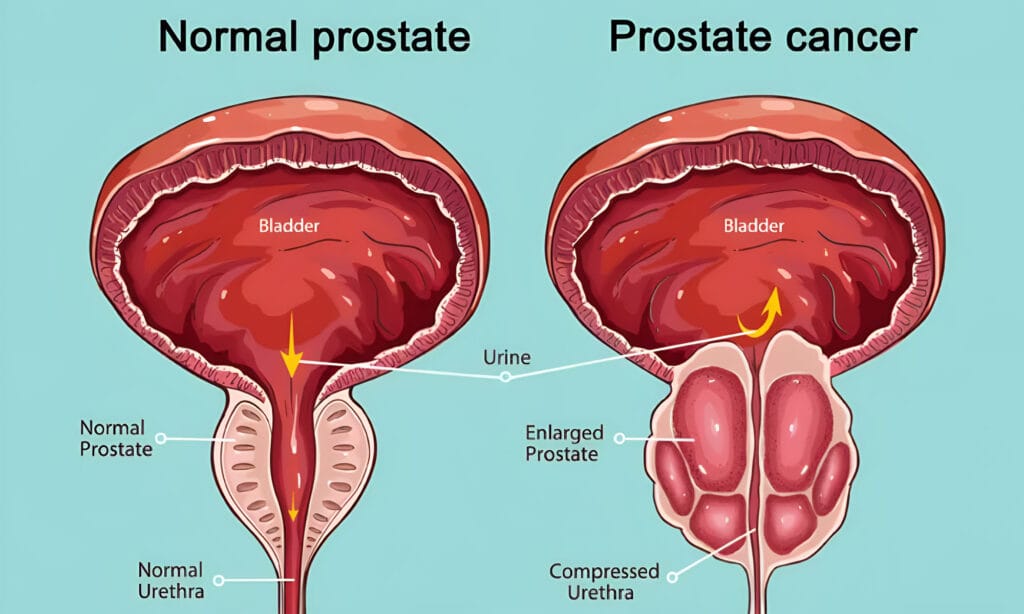
Prostate cancer is the most common cancer affecting men in many countries, and family history alone is one of the clearest and best-established risk indicators known, a man with a father or brother diagnosed with prostate cancer carries a meaningfully higher predisposition. Inherited variants in genes including BRCA2, the same gene linked to breast and ovarian cancer, are also associated with a higher and often more aggressive prostate cancer risk in men who carry them, which is why family history on either side, mother’s or father’s, matters.
Genetic predisposition testing can flag an elevated likelihood before any symptoms appear, giving men and their doctors a concrete reason to start conversations about PSA testing earlier than general population screening guidelines suggest, rather than waiting for an age-based trigger alone. PSA testing itself has known limitations, it can be elevated for reasons other than cancer, which is why a fuller risk picture, family history plus genetics plus symptoms, helps a doctor interpret a result rather than react to a number in isolation. NCCS has more detail on prostate cancer screening in Singapore.
Ancestry can also shift the baseline predisposition, though Singapore’s own population data is more limited on this point than the well-studied cancers above. Regardless of ancestry, a first-degree relative diagnosed with prostate cancer roughly doubles a man’s own predisposition, which is the single clearest reason to raise it early with a doctor. Prostate cancer also gets fuller treatment, alongside testicular cancer and men’s mental health, in our men’s health guide.
A MyDNA test examines genetic markers tied to cancer predisposition alongside a separate set covering nutrition, fitness and other wellness traits. It comes back as one confidential report you can view online, followed by a consultation where someone walks you through what your results actually mean.
None of this replaces a mammogram, a Pap smear, a PSA test or your doctor’s own clinical judgement, and it is not the same thing as a clinical BRCA panel ordered through a genetic counsellor for a family with a strong cancer history. What it adds is a starting point built from your own DNA rather than family history alone: a sense of your personal predisposition that can shape how seriously you take the screening you are already meant to be doing, what to raise at your next check-up, and whether a closer look or a clinical genetic test is worth discussing with your doctor.
The report also flags predisposition markers relevant to nutrition, fitness and general wellness, so a MyDNA consultation isn’t limited to cancer alone. Many clients find that broader context, seeing cancer predisposition alongside the rest of their genetic profile, makes the results easier to act on rather than sit with in isolation.
No. Genetic predisposition testing shows a likelihood based on inherited markers, it cannot diagnose cancer or tell you whether you currently have it. Diagnosis requires clinical tests such as biopsies, imaging or blood work ordered by a doctor.
Not necessarily. Family history raises your statistical predisposition but most cancers result from a mix of genetic, lifestyle and environmental factors. A genetic report adds one more data point to that picture, not a prediction of what will happen.
A clinical BRCA test, usually ordered after a genetic counsellor review, focuses specifically on high-risk hereditary variants and carries direct medical follow-up. A MyDNA report looks more broadly across wellness-related genetic markers, including some cancer predisposition markers, and is not a substitute for clinical genetic counselling if your family history suggests you need it.
No. Screening guidelines for mammograms, Pap smears and PSA tests are based on age and general population risk, not just genetics, and a low genetic predisposition doesn’t rule out cancer developing from other causes. Keep to whatever schedule your doctor recommends regardless of your result.
Take it to your doctor. An elevated genetic predisposition is a reason to have a more detailed conversation about your personal screening schedule and family history, not something to interpret or act on alone.
MyDNA’s report includes markers relevant to hereditary cancer predisposition, but it isn’t the same as a clinical BRCA panel ordered through a genetic counsellor. If your family history suggests a strong hereditary pattern, ask your doctor about a referral to NCCS’s Cancer Genetics Service.
It can still offer useful context, particularly around predisposition to a second primary cancer or relevance for family members, but any decision about your own ongoing care should stay with your treating doctor.
No. Genetic predisposition is present from birth, so a result is relevant at any age, though what you do with it, adjusting screening timing, for instance, will depend on your current age and risk profile.
Cancer touches almost every workplace and community group in Singapore, whether that’s a colleague’s diagnosis, a family history someone is quietly carrying, or one of the awareness days that comes round each year.
MyDNA runs on-site DNA testing workshops that turn that awareness into something people can actually use: predictive genetic insight, explained in a session that makes clear what predisposition does and doesn’t mean. Participants leave with a clearer picture of their own risk factors and specific questions worth raising at their next doctor’s visit.
Sessions typically run 45 to 60 minutes and work well alongside an existing awareness-day event, giving HR teams a ready-made reason to schedule one rather than starting from scratch. Participants consistently rate the concrete, personal framing as the part that sticks, well after a generic poster campaign would have been forgotten.

MyDNA’s testing is direct-to-consumer, built for wellness and general health information, not for diagnosing cancer or any other condition. A predisposition result speaks to likelihood, not certainty, and it never stands in for a doctor’s advice, a screening test or treatment. Speak with a qualified healthcare professional about anything in your report, and always check with one before starting a new supplement, especially if you’re pregnant, managing an existing condition, or on prescribed medication.