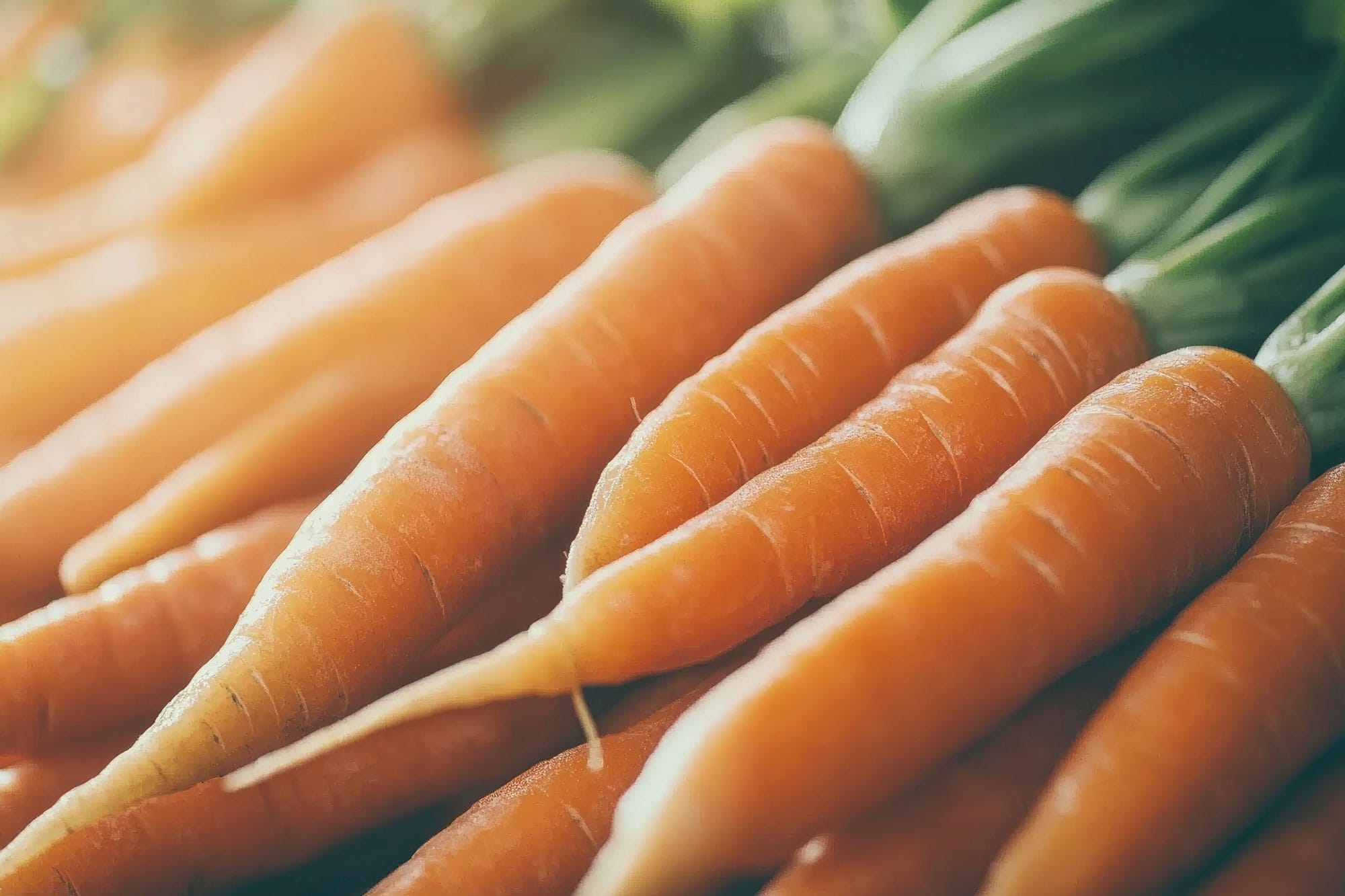
Beta carotene (or β-carotene ) is a pigment that belongs to the carotenoid family, which is responsible for the vibrant orange, yellow, and green hues found in many fruits and vegetables. It is a precursor to vitamin A, meaning that the body can convert beta carotene into retinol, the active form of vitamin A that is essential for various physiological functions. This conversion process is particularly important because vitamin A plays a crucial role in maintaining healthy vision, supporting immune function, and promoting skin health.
Unlike preformed vitamin A found in animal products, beta carotene is a plant-based source, making it an attractive option for vegetarians and vegans. The chemical structure of beta carotene consists of a long chain of carbon atoms with conjugated double bonds, which gives it its characteristic colour and antioxidant properties. As an antioxidant, beta carotene helps neutralise free radicals, which are unstable molecules that can cause oxidative stress and damage cells.
This protective role is vital in preventing chronic diseases and maintaining overall health. The body’s ability to convert beta carotene into vitamin A is regulated by its needs; when vitamin A levels are sufficient, the conversion process slows down, preventing toxicity from excessive intake.
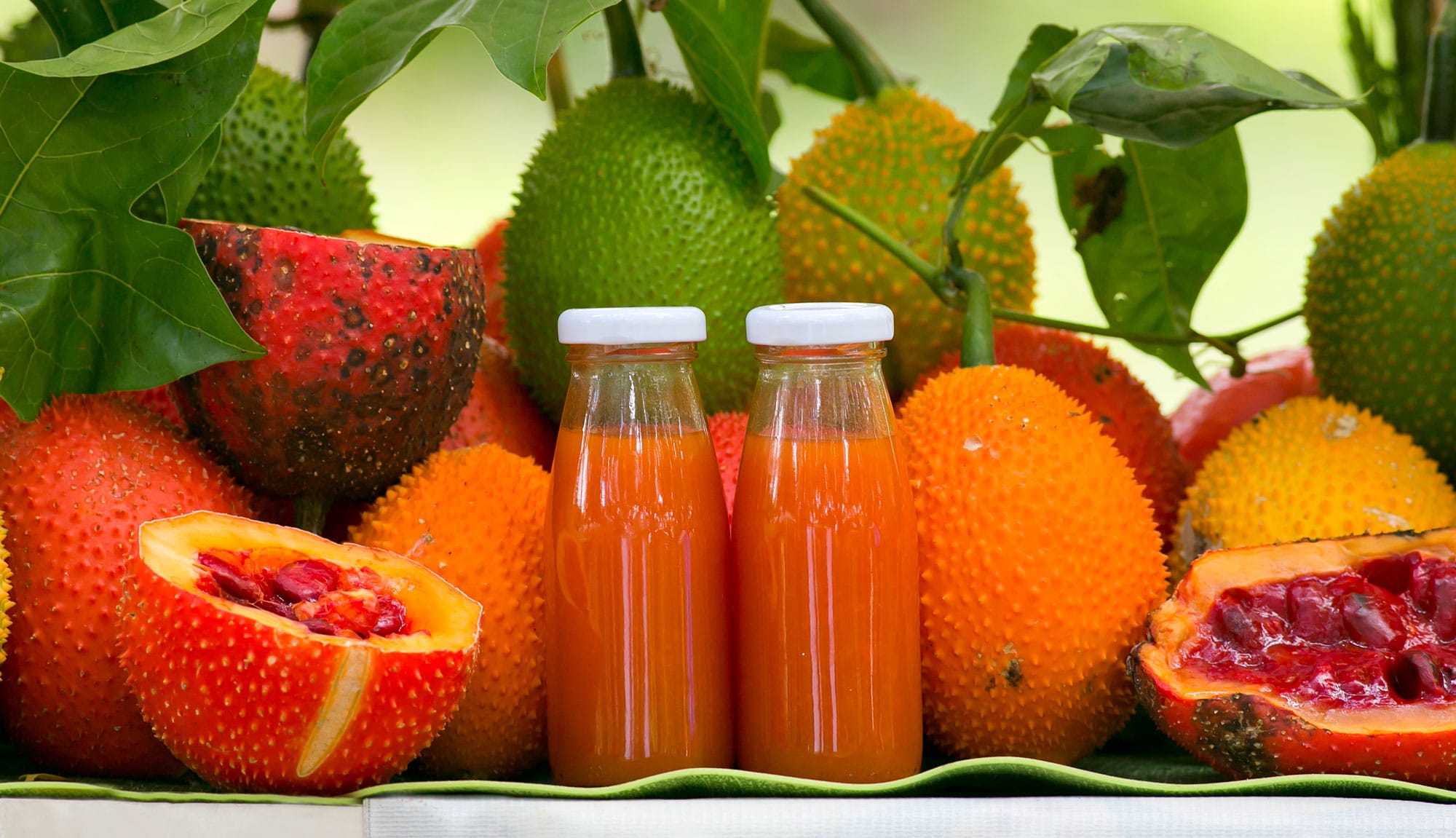
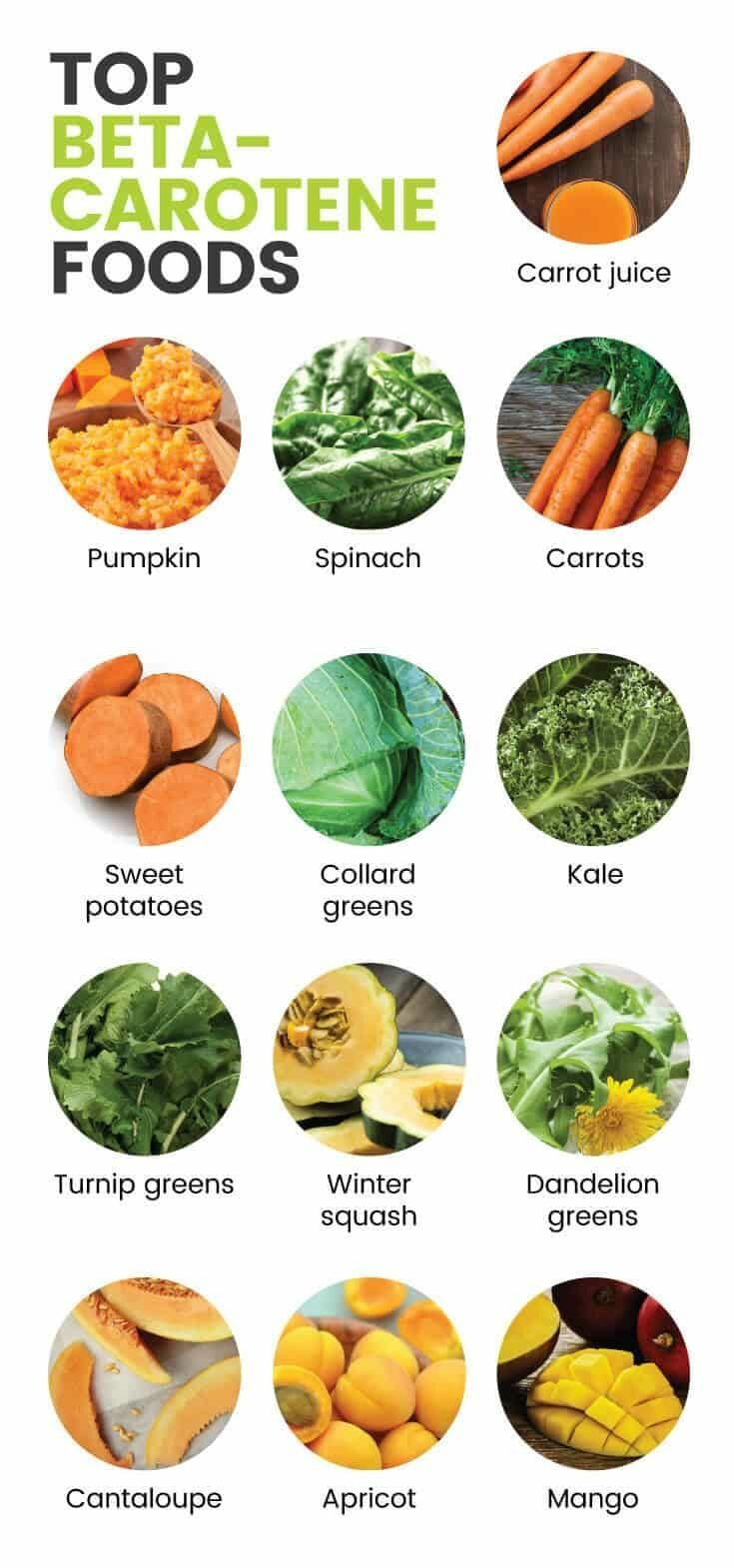
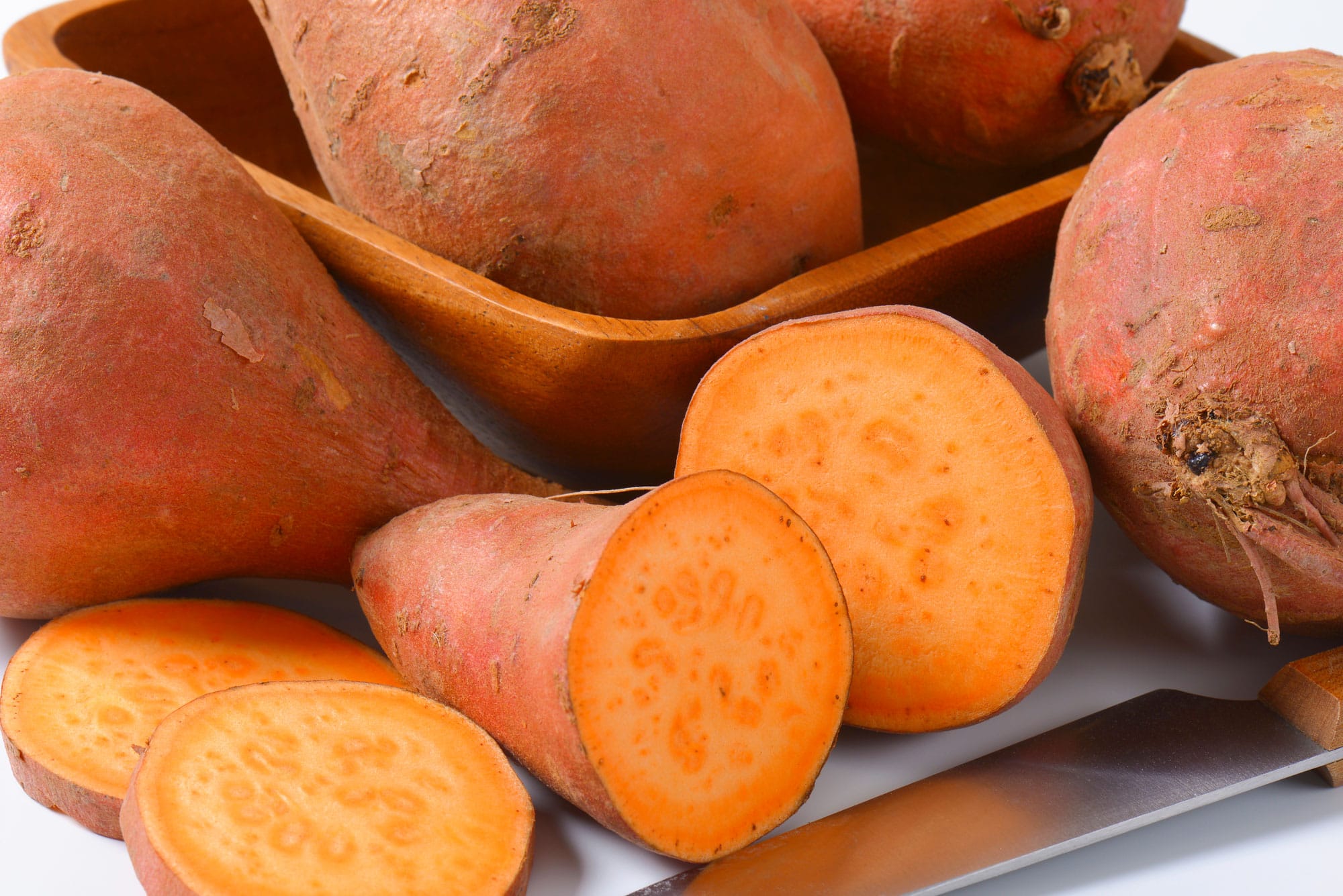
Beta carotene is abundantly found in a variety of fruits and vegetables, particularly those that are orange or dark green in colour. Carrots are the most well-known source, with their bright orange hue indicating a high concentration of this nutrient. Other excellent sources include sweet potatoes, butternut squash, and pumpkin, all of which are rich in beta carotene and provide a delicious way to incorporate this nutrient into meals.
Leafy greens such as spinach, kale, and collard greens also contain significant amounts of beta carotene, although their green colour can sometimes mask the presence of this important pigment. In addition to vegetables, certain fruits are also rich in beta carotene. Mangoes, apricots, and cantaloupes are notable examples that not only provide beta carotene but also offer a range of other vitamins and minerals.
The consumption of these foods can contribute to a well-rounded diet that supports overall health. It is worth noting that cooking methods can affect the bioavailability of beta carotene; for instance, steaming or roasting vegetables can enhance the absorption of this nutrient compared to consuming them raw.
The health benefits of beta carotene extend beyond its role as a precursor to vitamin A. As an antioxidant, it plays a significant role in protecting cells from oxidative damage caused by free radicals.
This protective effect can help reduce the risk of chronic diseases such as heart disease and certain types of cancer.
Studies have shown that diets rich in beta carotene are associated with lower rates of cardiovascular disease, likely due to its ability to improve blood vessel function and reduce inflammation.
Moreover, beta carotene has been linked to improved skin health. Its antioxidant properties help protect the skin from UV radiation and environmental pollutants, which can lead to premature aging and skin damage. Some research suggests that individuals with higher dietary intake of beta carotene may experience better skin elasticity and hydration.
Additionally, beta carotene may contribute to a more even skin tone and a healthy glow, making it a popular ingredient in skincare products aimed at promoting radiance.
One of the most well-documented roles of beta carotene is its contribution to eye health. Vitamin A, derived from beta carotene, is essential for maintaining proper vision, particularly in low-light conditions. It is a critical component of rhodopsin, a pigment found in the retina that enables the eyes to adapt to darkness.
A deficiency in vitamin A can lead to night blindness and other vision problems. Therefore, adequate intake of beta carotene-rich foods is vital for maintaining eye health throughout life.
Furthermore, research has indicated that beta carotene may help reduce the risk of age-related macular degeneration (AMD), a leading cause of vision loss among older adults.
The antioxidant properties of beta carotene can help protect retinal cells from oxidative stress and inflammation associated with AMD. Some studies suggest that individuals with a higher dietary intake of beta carotene have a lower incidence of this condition. This protective effect highlights the importance of incorporating beta carotene-rich foods into one’s diet as part of a comprehensive strategy for maintaining eye health.
Beta carotene’s benefits extend significantly to skin health as well. As an antioxidant, it helps combat oxidative stress caused by environmental factors such as UV radiation and pollution. These stressors can lead to premature signs of aging, such as wrinkles, fine lines, and uneven skin tone.
By neutralising free radicals, beta carotene may help mitigate some of these effects, promoting healthier and more resilient skin. Additionally, beta carotene has been shown to enhance skin hydration and elasticity. Some studies suggest that individuals who consume higher amounts of beta carotene may experience improved skin texture and reduced dryness.
This effect is particularly beneficial for individuals living in harsh climates or regularly exposed to sun damage. Moreover, the anti-inflammatory properties of beta carotene can help soothe irritated skin conditions such as eczema or psoriasis, making it a valuable nutrient for maintaining overall skin health.
The immune system relies on various nutrients to function optimally, and beta carotene is one such nutrient that plays a crucial role in supporting immune health. As a precursor to vitamin A, it contributes to the maintenance of mucosal surfaces in the respiratory tract and gastrointestinal system, key barriers against pathogens. Adequate levels of vitamin A are essential for the proper functioning of immune cells such as T-cells and B-cells, which are vital for mounting an effective immune response.
Research has shown that individuals with higher dietary intakes of beta carotene tend to have stronger immune responses compared to those with lower intakes. This effect may be particularly important during cold and flu seasons when the body requires additional support to fend off infections. Furthermore, beta carotene’s antioxidant properties help reduce inflammation throughout the body, which can further enhance immune function by preventing chronic inflammation that may compromise immune responses.
The potential anti-cancer properties of beta carotene have been the subject of extensive research over the years. Some studies suggest that diets rich in beta carotene may be associated with a reduced risk of certain cancers, particularly lung cancer and prostate cancer. The antioxidant properties of beta carotene play a significant role in this protective effect by neutralising free radicals that can cause DNA damage, a key factor in cancer development.
However, it is essential to note that while observational studies have shown promising results regarding the dietary intake of beta carotene and cancer risk reduction, clinical trials involving beta carotene supplementation have yielded mixed results. For instance, some studies have indicated that high-dose beta carotene supplements may increase lung cancer risk among smokers. This highlights the importance of obtaining nutrients from whole foods rather than relying solely on supplements for cancer prevention.
Incorporating beta carotene into your diet can be both enjoyable and straightforward. The first step is to focus on consuming a variety of colourful fruits and vegetables daily. Carrots can be enjoyed raw as .a snack or cooked in soups and stews; Sweet potatoes make for a delicious side dish when roasted or mashed. Meanwhile, leafy greens like spinach can be added to salads or smoothies for an extra nutrient boost.
Another effective way to increase your intake is by experimenting with different cooking methods that enhance the bioavailability of beta carotene. For example, lightly steaming vegetables can help break down their cell walls, making nutrients more accessible for absorption. Additionally, pairing beta carotene-rich foods with healthy fats, such as olive oil or avocado, can further enhance absorption since beta carotene is fat-soluble.
While there is no established Recommended Dietary Allowance (RDA) specifically for beta carotene due to its status as a provitamin A compound, dietary guidelines suggest adequate intake levels based on vitamin A requirements. The National Institutes of Health recommends an adequate intake (AI) of vitamin A at 900 micrograms (mcg) per day for men and 700 mcg per day for women. Since one microgram of retinol is equivalent to 12 micrograms of dietary beta carotene, individuals should aim for approximately 7-10 milligrams (mg) of beta carotene daily through food sources.
Click on for Recommended Dietary Allowance (RDA) in the:
It’s important to note that individual needs may vary based on factors such as age, sex, health status, and lifestyle choices. Therefore, focusing on a balanced diet rich in fruits and vegetables will generally provide sufficient amounts of beta carotene without the need for supplementation.
While obtaining beta carotene through food sources is generally safe and beneficial for health, caution should be exercised when considering supplements. High-dose beta carotene supplements have been linked to adverse effects in certain populations, particularly smokers who may experience an increased risk of lung cancer when taking these supplements regularly. This underscores the importance of obtaining nutrients from whole foods rather than relying solely on supplements.
Additionally, individuals with certain medical conditions or those taking specific medications should consult a healthcare professional before starting any supplementation regimen involving beta carotene or other antioxidants. It’s also worth noting that excessive intake from supplements can lead to carotenemia, a harmless condition characterised by yellowing of the skin due to high levels of carotenoids. Still, it serves as a reminder that moderation is key.
Beta carotene stands out as an essential nutrient with numerous health benefits, ranging from supporting eye health to enhancing the immune system and potentially exhibiting anti-cancer properties. By incorporating a variety of colourful fruits and vegetables into your diet, such as carrots, sweet potatoes, spinach, and mangoes, you can easily boost your intake of this vital compound while enjoying delicious meals. Understanding the importance of obtaining nutrients from whole foods rather than supplements will further ensure you harness the full potential of beta carotene for overall health and well-being.
Beta carotene, a precursor to vitamin A, plays a crucial role in maintaining healthy vision, skin, and immune function. Understanding how our bodies absorb and utilise this nutrient can be significantly enhanced through DNA testing. We have written an interesting article, “How
DNA Testing Can Reveal Your Body’s Nutrient Absorption Levels”, exploring the relationship between DNA testing and nutrient absorption. This article examines how genetic variations influence the absorption levels of various nutrients, offering valuable insights into personalised nutrition and health optimisation.

Unlock the power of your DNA • Discover yourself at a genetic level
Understand your health predispositions and take control • Live a longer and healthier life