
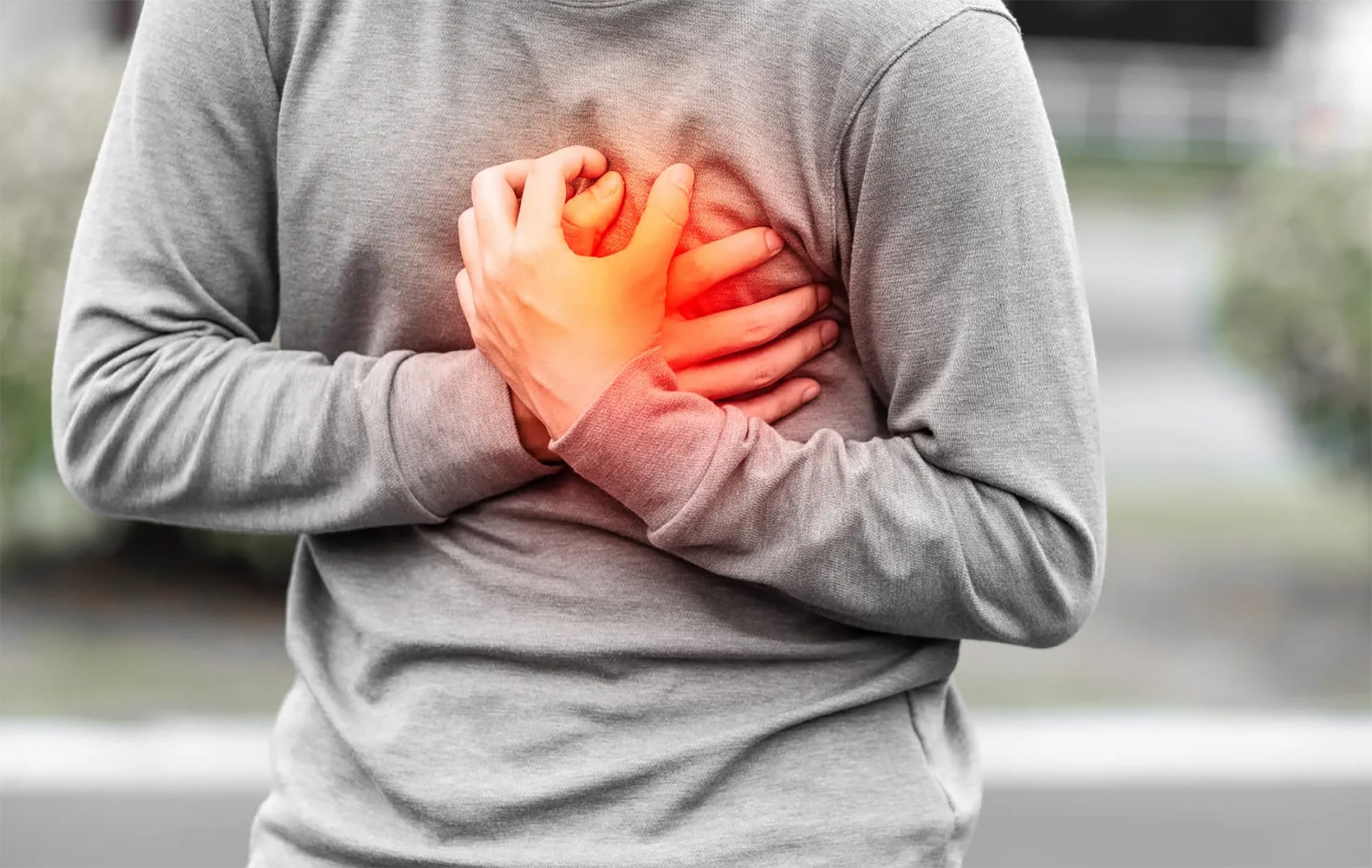
Strokes and heart attacks are two of the leading causes of death and disability worldwide, and understanding their risk factors is crucial for prevention. Both conditions share several common risk factors, including hypertension, high cholesterol, diabetes, obesity, and a sedentary lifestyle. Hypertension, or high blood pressure, is particularly insidious as it often presents without symptoms, yet it can lead to significant damage to blood vessels over time.
Elevated blood pressure can cause the arteries to harden and narrow, increasing the likelihood of a heart attack or stroke. Similarly, high cholesterol levels can lead to the buildup of plaques in the arteries, which restricts blood flow and heightens the risk of cardiovascular events. Age and family history also play a significant role in determining an individual’s risk.
As people age, their blood vessels naturally become less elastic, and the cumulative effects of lifestyle choices can have a significant impact on heart health. Genetics can predispose individuals to conditions such as hyperlipidemia or hypertension, making it essential for those with a family history of cardiovascular disease to be vigilant about their health. Additionally, lifestyle factors such as smoking and excessive alcohol consumption can exacerbate these risks.
Smoking damages blood vessels and reduces oxygen in the blood, while heavy drinking can lead to high blood pressure and irregular heartbeats. Understanding these risk factors is the first step toward implementing effective prevention strategies.

Adopting healthy lifestyle choices is paramount in reducing the risk of strokes and heart attacks. One of the most impactful changes individuals can make is to quit smoking. The harmful chemicals in tobacco not only damage blood vessels but also contribute to the formation of clots that can lead to strokes.
Quitting smoking can significantly lower the risk of cardiovascular diseases, with benefits seen almost immediately after cessation. Furthermore, avoiding secondhand smoke is equally important, as it poses similar risks to non-smokers. In addition to quitting smoking, maintaining a balanced diet rich in fruits, vegetables, whole grains, and lean proteins is essential for heart health.
The Mediterranean diet, for example, emphasises healthy fats from sources like olive oil and nuts while minimising processed foods and sugars. This dietary pattern has been associated with lower rates of heart disease and stroke. Moreover, staying hydrated and limiting salt intake can help manage blood pressure levels effectively.
Making conscious choices about what we eat not only nourishes our bodies but also serves as a powerful tool in preventing serious health issues.
Regular physical activity is one of the most effective ways to reduce the risk of strokes and heart attacks. Engaging in at least 150 minutes of moderate-intensity aerobic exercise each week can significantly improve cardiovascular health. Activities such as brisk walking, cycling, swimming, or dancing not only help maintain a healthy weight but also strengthen the heart muscle and improve circulation.
Exercise promotes the release of endorphins, which can enhance mood and reduce stress levels – factors closely linked to heart health. Incorporating strength training exercises into a weekly routine is also beneficial. Building muscle mass increases metabolism and helps regulate blood sugar levels, which is particularly important for individuals at risk for diabetes, a significant risk factor for cardiovascular diseases.
Additionally, regular exercise can help improve cholesterol levels by increasing high-density lipoprotein (HDL) cholesterol while reducing low-density lipoprotein (LDL) cholesterol. This dual effect contributes to healthier arteries and reduces the likelihood of blockages that can lead to strokes or heart attacks.
A healthy diet plays a crucial role in reducing the risk of strokes and heart attacks by affecting key health markers, including blood pressure, cholesterol levels, and body weight. Diets rich in fruits and vegetables provide essential vitamins, minerals, and antioxidants that support overall health while reducing inflammation in the body. For instance, foods high in potassium, such as bananas, sweet potatoes, and spinach, can help regulate blood pressure by counteracting the effects of sodium.
Moreover, incorporating omega-3 fatty acids found in foods like fatty fish, such as salmon or walnuts, can have protective effects on heart health. These healthy fats help reduce triglycerides in the blood and lower the risk of arrhythmias. Whole grains are another vital component of a heart-healthy diet; they are rich in fibre, which helps lower cholesterol levels and maintain stable blood sugar levels.
By focusing on whole foods rather than processed options that are high in sugars and unhealthy fats, individuals can establish a dietary pattern that supports cardiovascular health.

Stress management is an often-overlooked aspect of preventing strokes and heart attacks. Chronic stress can lead to elevated levels of cortisol, which may contribute to high blood pressure and other cardiovascular issues. Techniques such as mindfulness meditation, yoga, or deep-breathing exercises can be effective in reducing stress levels.
These practices not only promote relaxation but also enhance emotional well-being, which is crucial for maintaining a healthy heart.
Mental health conditions such as depression and anxiety are also linked to an increased risk of cardiovascular diseases. Individuals experiencing these conditions may neglect their physical health or engage in unhealthy coping mechanisms such as overeating or substance abuse.
Seeking professional help through therapy or counselling can provide individuals with tools to manage their mental health effectively. By addressing both mental and emotional well-being, individuals can create a more holistic approach to preventing strokes and heart attacks.
Regular health screenings are essential for identifying risk factors that could lead to strokes or heart attacks before they become critical issues. Routine check-ups with healthcare providers enable the monitoring of vital signs, including blood pressure, cholesterol levels, and blood glucose levels. Early detection of conditions like hypertension or high cholesterol enables timely intervention through lifestyle changes or medication if necessary.
Screenings for diabetes are particularly important since this condition significantly increases the risk of cardiovascular diseases. Individuals with prediabetes or diabetes should work closely with their healthcare providers to develop a management plan that includes regular monitoring of blood sugar levels alongside lifestyle modifications. Additionally, screenings for other conditions, such as sleep apnea, which is often undiagnosed, can also play a role in cardiovascular health by addressing factors that contribute to poor sleep quality and increased stress on the heart.
The detrimental effects of smoking on cardiovascular health are well-documented; it is a leading cause of preventable death worldwide. Smoking not only damages the lining of blood vessels but also increases clot formation, which can lead to both strokes and heart attacks. The toxic substances found in cigarettes contribute to inflammation and oxidative stress within the body, further exacerbating existing health issues.
Quitting smoking is one of the most significant steps an individual can take to improve their overall health and reduce their risk. Alcohol consumption also warrants careful consideration when discussing cardiovascular health. While moderate alcohol consumption has been associated with some protective effects on heart health, such as raising HDL cholesterol, excessive drinking poses serious risks.
Heavy drinking can lead to high blood pressure, irregular heartbeats, and cardiomyopathy (a disease of the heart muscle). Individuals need to understand their limits regarding alcohol consumption and make informed choices that align with their health goals.
Managing high blood pressure and cholesterol levels is crucial for preventing strokes and heart attacks. For individuals with hypertension, lifestyle modifications such as reducing sodium intake can have a significant impact on lowering blood pressure levels. The DASH (Dietary Approaches to Stop Hypertension) diet emphasises fruits, vegetables, whole grains, lean proteins, and low-fat dairy while minimising salt intake, which has been proven effective in managing hypertension.
For cholesterol management, regular physical activity plays a crucial role, complementing dietary changes. Incorporating foods rich in soluble fibre, such as oats, beans, lentils, apples, and citrus fruits, can help lower LDL cholesterol levels effectively. Additionally, avoiding trans fats, which are found in many processed foods, is essential for maintaining healthy cholesterol levels.
Regular check-ups with healthcare providers allow individuals to monitor their progress and make necessary adjustments to their management plans.
Maintaining a healthy weight is integral to reducing the risk of strokes and heart attacks. Obesity is associated with numerous health complications that increase cardiovascular risk, including hypertension, type 2 diabetes, and dyslipidemia (abnormal lipid levels). Even modest weight loss, ranging from 5% to 10% of body weight, can lead to significant improvements in these risk factors.
Achieving a healthy weight involves a combination of balanced nutrition and regular physical activity. Setting realistic goals for weight loss or maintenance can foster long-term success, rather than relying on quick fixes that may not be sustainable. Engaging in mindful eating practices, such as paying attention to hunger cues and avoiding distractions during meals, can also support healthier eating habits that contribute to weight management.
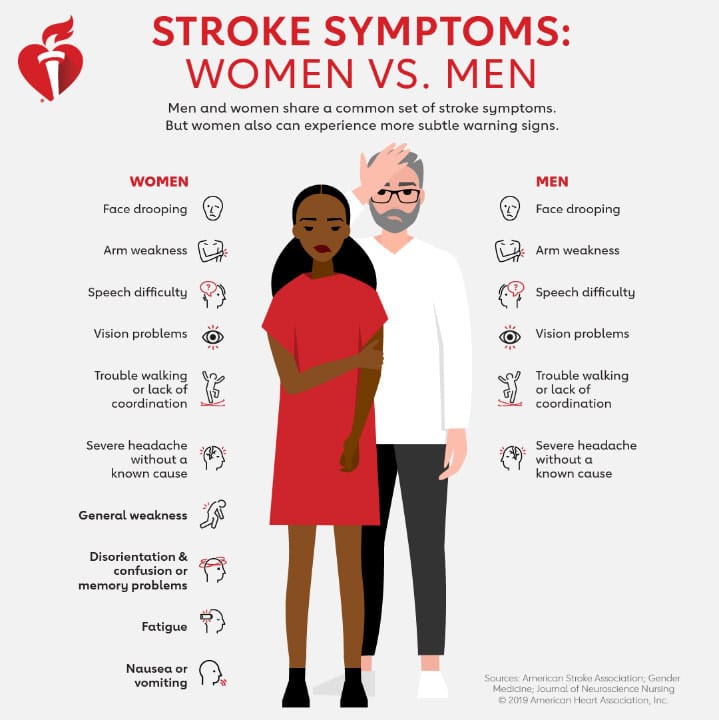
Recognising the signs and symptoms of strokes and heart attacks is crucial for timely intervention. For strokes, common symptoms include sudden numbness or weakness on one side of the body, confusion or difficulty speaking, trouble seeing in one or both eyes, or loss of balance or coordination. The acronym FAST (Face drooping, Arm weakness, Speech difficulties, Time to call emergency services) serves as an effective reminder for identifying potential stroke symptoms.
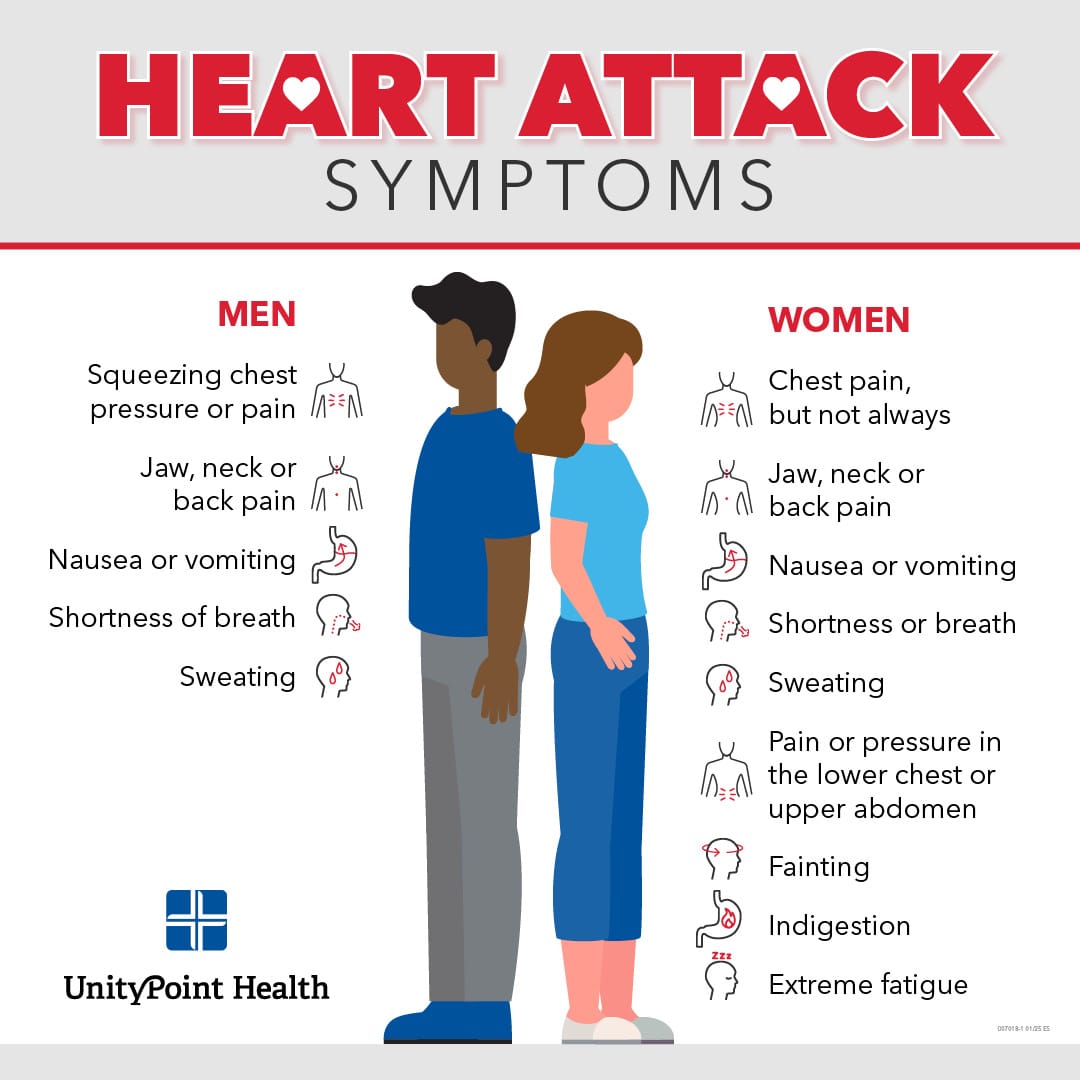
Heart attack symptoms may vary between individuals but often include chest pain or discomfort that may radiate to the arms, back, neck, jaw, or stomach, as well as shortness of breath, cold sweat, nausea, or lightheadedness. Women may experience atypical symptoms such as fatigue or indigestion more frequently than men. Understanding these warning signs empowers individuals to seek prompt medical attention when necessary.
Prompt medical attention is vital when experiencing symptoms indicative of a stroke or heart attack. Time is often referred to as “brain” when it comes to strokes; every minute counts in preserving brain function after an ischemic stroke occurs due to blocked blood flow. Similarly, early intervention during a heart attack can significantly improve outcomes by quickly restoring blood flow to the heart muscle.
Individuals should not hesitate to call emergency services if they suspect they or someone else may be experiencing these life-threatening events. Medical professionals are equipped with the knowledge and tools necessary to provide immediate care that can save lives. Additionally, following up with healthcare providers after an event is crucial for developing a comprehensive recovery plan and implementing ongoing prevention strategies tailored to individual needs.
By understanding risk factors, making healthy lifestyle choices, managing stress effectively, maintaining regular screenings, recognising symptoms promptly, and seeking immediate medical attention when necessary, individuals can significantly reduce their risk of strokes and heart attacks while promoting overall cardiovascular health.
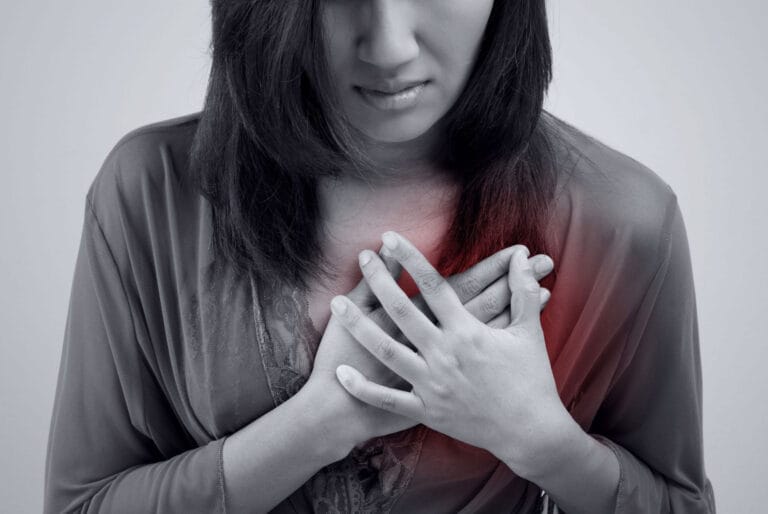
Preventing strokes and heart attacks is a critical aspect of maintaining cardiovascular health, and understanding one’s genetic predispositions can play a significant role in this effort. DNA testing can provide valuable insights into individual risk factors, allowing for personalised prevention strategies. An interesting, related article discusses the importance of DNA testing in personalised health management, highlighting how genetic information can be used to tailor lifestyle and medical interventions. You can read more about this in the article titled “The Angelina Jolie Effect: Why DNA Testing is Crucial for Health Decisions” by following this link.
Unlock the power of your DNA • Discover yourself at a genetic level
Understand your health predispositions and take control • Live a longer and healthier life