

DNA analysis has revolutionised the fields of genetics, forensics, medicine, and anthropology, providing insights into the fundamental building blocks of life. At its core, DNA analysis involves examining the genetic material that encodes the instructions for the development, functioning, growth, and reproduction of all known organisms. The ability to analyse DNA has led to significant advancements in understanding hereditary diseases, tracing lineage, and even solving criminal cases.
As technology has evolved, so too have the methods and applications of DNA analysis, making it an indispensable tool in both scientific research and practical applications. The significance of DNA analysis extends beyond mere academic interest; it has profound implications for public health, legal systems, and personal identity. For instance, in medicine, DNA analysis can identify genetic predispositions to certain diseases, enabling early intervention and personalised treatment plans.
In forensic science, DNA evidence can exonerate the innocent or implicate the guilty with a high degree of certainty. Furthermore, as society grapples with ethical questions surrounding genetic information, the importance of understanding DNA analysis becomes even more critical. This article will explore various methodologies and applications of DNA analysis, highlighting their impact on science and society.
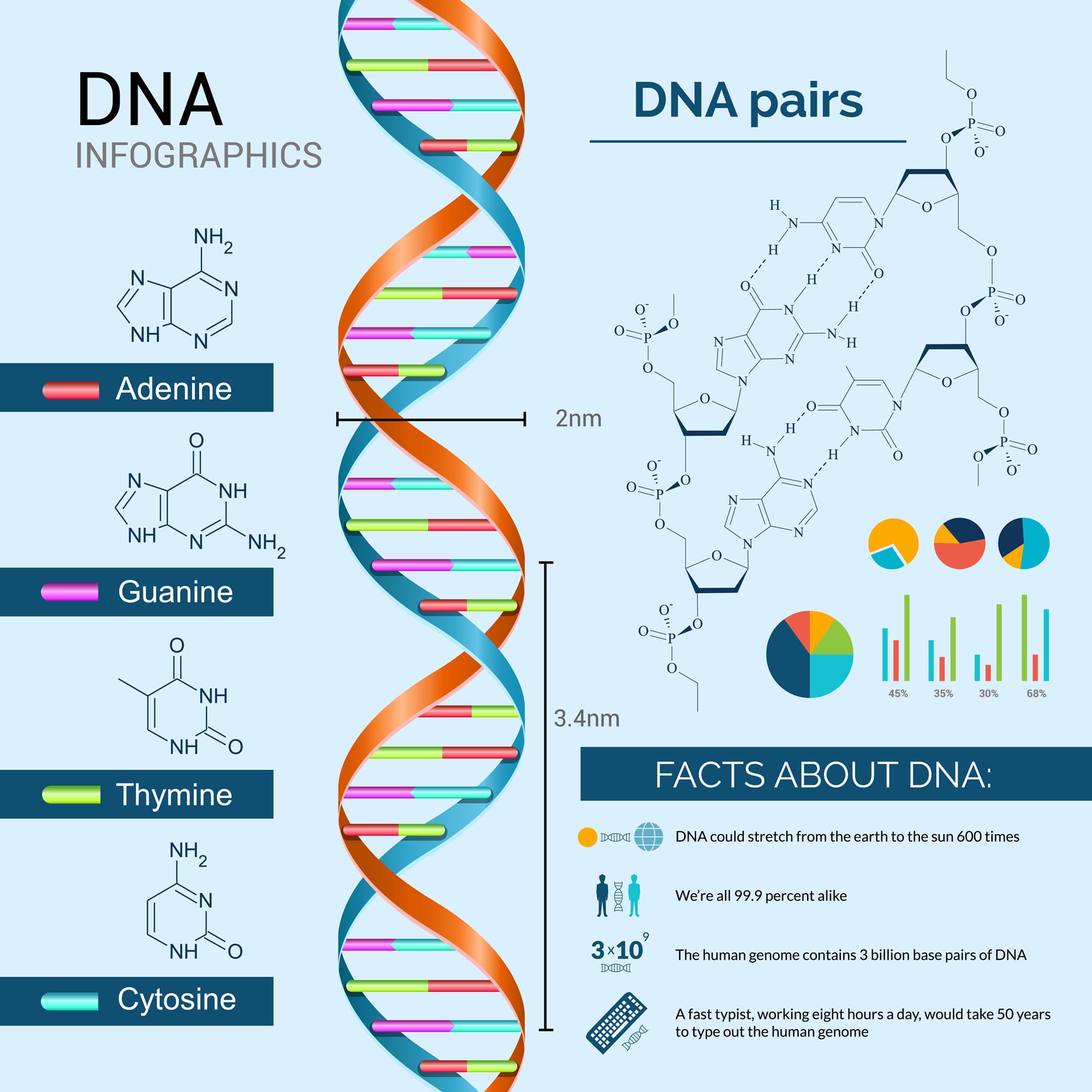
The Polymerase Chain Reaction (PCR) is a cornerstone technique in molecular biology that allows for the amplification of specific DNA sequences. Developed by Kary Mullis in 1983, PCR has revolutionised the field of genetic research by enabling scientists to produce millions of copies of a specific DNA segment from a minuscule sample. This amplification is crucial for various applications, including cloning, gene expression analysis, and genetic fingerprinting.
The process involves repeated cycles of denaturation, annealing, and extension, which are facilitated by a heat-stable DNA polymerase enzyme. One of the most significant advantages of PCR is its sensitivity; it can detect even trace amounts of DNA. This feature is particularly valuable in forensic science, where samples may be degraded or contaminated. For example, in a criminal investigation where only a small amount of biological material is available, such as a hair follicle or a drop of blood, PCR can amplify the DNA to a level sufficient for analysis.
Additionally, advancements in PCR technology have led to the development of quantitative PCR (qPCR), which allows for the measurement of DNA quantity in real-time, further enhancing its utility in research and clinical diagnostics.
Next Generation Sequencing (NGS) represents a paradigm shift in genomic research by allowing for the rapid sequencing of entire genomes at an unprecedented scale and speed. Unlike traditional Sanger sequencing, which sequences one DNA fragment at a time, NGS employs massively parallel sequencing technologies that can process millions of fragments simultaneously. This capability has made it possible to sequence complex genomes quickly and affordably, opening new avenues for research in genomics, transcriptomics, and epigenomics.
The applications of NGS are vast and varied. In clinical settings, NGS is increasingly used for personalised medicine, where genomic information can guide treatment decisions tailored to individual patients. For instance, cancer genomics relies on NGS to identify mutations within tumour DNA that may inform targeted therapies.
In addition to its role in medicine, NGS is also instrumental in evolutionary biology and ecology, allowing researchers to study genetic diversity within populations and track evolutionary changes over time. The ability to generate large datasets has also spurred the development of bioinformatics tools that facilitate data analysis and interpretation.
DNA microarrays are another powerful tool in the realm of DNA analysis, enabling researchers to simultaneously examine the expression levels of thousands of genes.
This technology involves placing thousands of known DNA sequences onto a solid surface, creating a grid-like array.
When a sample containing labelled cDNA or RNA is applied to the array, hybridisation occurs between complementary sequences.
The resulting binding events can be detected and quantified using fluorescence or other imaging techniques. Microarrays have been instrumental in various fields, including cancer research, where they help identify gene expression profiles associated with different tumour types or stages. For example, researchers can use microarrays to compare the expression levels of oncogenes and tumour suppressor genes in cancerous versus normal tissues.
This information can lead to the discovery of biomarkers for early detection or prognosis. Additionally, microarrays are valuable in pharmacogenomics, where they can assess how genetic variations affect individual responses to drugs, paving the way for more effective treatments.
Forensic DNA analysis has become a critical component of modern criminal investigations, providing reliable evidence that can link suspects to crime scenes or exonerate the innocent. The process typically involves collecting biological samples from crime scenes, such as blood, saliva, or hair, and analysing them using techniques like PCR and STR (Short Tandem Repeat) profiling. STR analysis focuses on specific regions of the genome that exhibit variability among individuals, making it an effective method for generating unique DNA profiles.
One notable case that highlights the power of forensic DNA analysis is that of Gary Dotson, who was wrongfully convicted of rape in 1977 based on witness testimony alone. Years later, advancements in DNA technology allowed for the re-examination of evidence from the crime scene. The DNA testing ultimately proved his innocence and led to his exoneration in 1999.
This case underscores not only the potential for forensic DNA analysis to solve crimes but also its capacity to rectify miscarriages of justice.
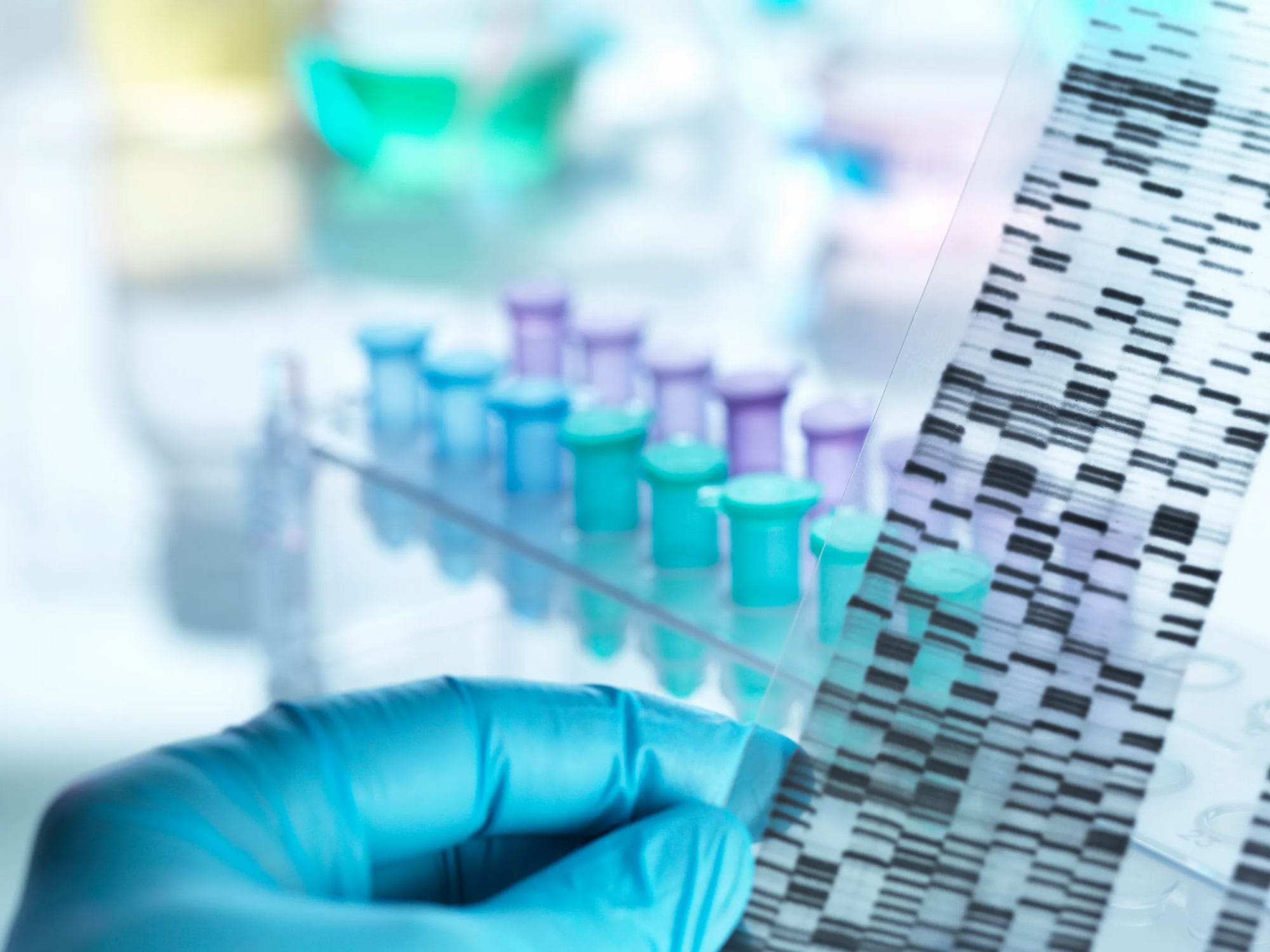
DNA methylation analysis is an essential aspect of epigenetics that examines how chemical modifications to DNA can influence gene expression without altering the underlying genetic code. Methylation typically occurs at cytosine bases within CpG dinucleotides and plays a crucial role in regulating various biological processes such as development, aging, and disease progression. Abnormal methylation patterns have been implicated in numerous conditions, including cancer and neurological disorders.
Techniques for analysing DNA methylation include bisulphite sequencing and methylation-specific PCR (MSP). Bisulphite sequencing converts unmethylated cytosines into uracils while leaving methylated cytosines unchanged; this allows researchers to determine methylation status at specific loci across the genome. For instance, studies have shown that hypermethylation of tumour suppressor genes is a common feature in many cancers, leading to their silencing and contributing to tumorigenesis.
Understanding these methylation patterns not only aids in elucidating disease mechanisms but also holds promise for developing novel therapeutic strategies.
Single Nucleotide Polymorphisms (SNPs) are the most common type of genetic variation among individuals and play a significant role in personalising medicine and understanding population genetics. A SNP represents a change in a single nucleotide at a specific position in the genome; these variations can influence traits ranging from physical characteristics to susceptibility to diseases. SNP analysis involves identifying these variations through genotyping techniques such as SNP arrays or sequencing.
In clinical research, SNPs are invaluable for understanding genetic predispositions to diseases like diabetes or cardiovascular conditions. For example, specific SNPs have been associated with an increased risk of developing type 2 diabetes by affecting insulin sensitivity or secretion. Furthermore, SNP analysis is crucial in pharmacogenomics; variations in genes related to drug metabolism can inform clinicians about how patients will respond to specific medications.
By tailoring treatments based on an individual’s SNP profile, healthcare providers can enhance therapeutic efficacy while minimising adverse effects.
Mitochondrial DNA (mtDNA) analysis offers unique insights into maternal lineage and evolutionary biology due to its distinct inheritance pattern, mtDNA is passed down exclusively from mother to offspring without recombination. This characteristic makes mtDNA an invaluable tool for tracing ancestry and studying population genetics over generations. Mitochondrial DNA contains genes essential for mitochondrial function and energy production; mutations within this genome can lead to various mitochondrial disorders.
In forensic science, mtDNA analysis is instrumental when nuclear DNA samples are degraded or insufficient for traditional profiling methods. For instance, mtDNA has been successfully used to identify remains from historical figures or victims of mass disasters where nuclear DNA may not be recoverable. Additionally, studies utilising mtDNA have shed light on human migration patterns and evolutionary history by revealing how populations have diverged over time based on maternal lineages.
DNA profiling is a technique used to identify individuals based on their unique genetic makeup. This method relies on analysing specific regions of the genome that exhibit high variability among individuals, primarily through STR analysis or SNP genotyping. The resulting DNA profile serves as a genetic fingerprint that can be used for various applications ranging from paternity testing to criminal investigations.
One landmark case that exemplifies the power of DNA profiling is that of Colin Pitchfork, who was convicted in 1988 for the rape and murder of two young girls in England. Pitchfork was apprehended after his DNA profile matched evidence collected from the crime scenes. This groundbreaking moment marked one of the first uses of DNA profiling in a criminal case. Since then, DNA profiling has become standard practice in forensic laboratories worldwide due to its accuracy and reliability in establishing identity.
CRISPR-Cas9 technology has emerged as one of the most transformative tools in molecular biology since its discovery as a bacterial adaptive immune system. This revolutionary gene-editing technique allows scientists to make precise modifications to specific sequences within an organism’s genome with remarkable efficiency and accuracy. By harnessing this technology for DNA analysis, researchers can investigate gene function and regulation more effectively than ever before.
The applications of CRISPR-Cas9 extend beyond basic research; they also hold immense potential for therapeutic interventions. For instance, researchers are exploring CRISPR-based approaches to correct genetic mutations responsible for inherited diseases such as cystic fibrosis or sickle cell anemia. Additionally, CRISPR technology is being utilised in agricultural biotechnology to develop crops with enhanced traits such as disease resistance or improved nutritional content.
As this technology continues to evolve, it promises to reshape our understanding of genetics and its applications across various fields.
DNA analysis methods have revolutionised the field of genetics, providing insights into everything from ancestry to potential health risks. These methods involve extracting and examining the unique genetic code found in an individual’s DNA, enabling a detailed understanding of their genetic makeup.
Unlock the power of your DNA • Discover yourself at a genetic level
Understand your health predispositions and take control • Live a longer and healthier life