Unlocking Your Genetic Code: DNA Testing Services

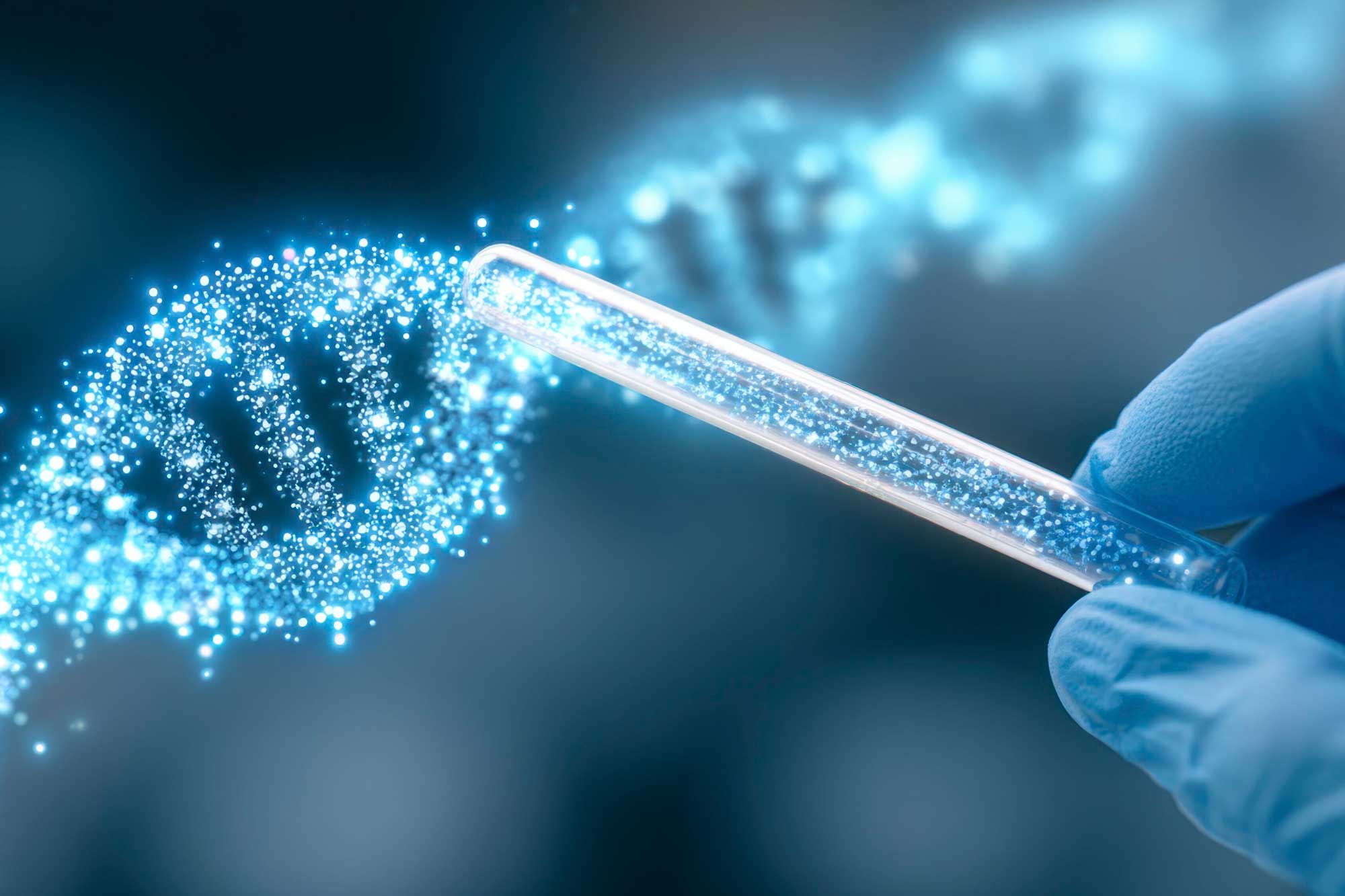
DNA Testing Services MyDNA Hero Image
  • Understanding DNA Testing Services

    DNA testing services enable individuals to analyse their genetic material for various insights. These services involve collecting a biological sample, typically saliva or a cheek swab, and then processing it to extract and sequence DNA. The resulting genetic data is then interpreted using bioinformatics tools and databases to provide information about ancestral origins, health predispositions, and other traits.

  •  

    The Basis of Genetic Information

    Our genes, composed of DNA, are the fundamental blueprints for our bodies. They determine characteristics like eye colour, hair texture, and even influence susceptibility to certain diseases. DNA is a complex molecule made up of four chemical bases: adenine (A), guanine (G), cytosine (C), and thymine (T). The specific sequence of these bases forms the genetic code. Variations in this sequence, known as polymorphisms, are what make each individual unique. DNA testing services identify these variations to draw conclusions about an individual’s genetic makeup.

    DNA testing services have gained significant popularity in recent years, offering individuals insights into their ancestry, health, and genetic predispositions.

  •  

    Types of Genetic Markers Analysed

    Different types of genetic markers are analysed depending on the purpose of the DNA test. These include:
    • Single Nucleotide Polymorphisms (SNPs): 
      These are variations at a single position in the DNA sequence where a single nucleotide differs between individuals. SNPs are the most common type of genetic variation and are frequently used in ancestry and health-related genetic testing.

    • Mitochondrial DNA (mtDNA):
      This DNA is found in the mitochondria, the powerhouses of cells, and is inherited exclusively from the mother. mtDNA analysis is particularly useful for tracing maternal lineage.

    • Y-Chromosome DNA (Y-DNA):
      Found only in males, the Y-chromosome is passed down from father to son. Y-DNA analysis is used to trace paternal lineage.

    • Indels (Insertions and Deletions):
      These are variations involving the insertion or deletion of one or more base pairs in the DNA sequence.

    • Copy Number Variations (CNVs):
      These are larger-scale variations where segments of DNA are duplicated or deleted.

The Process of DNA Testing

The journey from providing a sample to receiving your results involves several distinct stages. Understanding this process can demystify the technology and the information presented.

Sample Collection

The initial step in DNA testing is sample collection. Most direct-to-consumer (DTC) DNA testing services utilise non-invasive methods:

  • Saliva Sample:
    This is a common method where an individual spits into a collection tube. Saliva contains epithelial cells from the mouth that carry DNA.

  • Cheek Swab (Buccal Swab):
    A sterile swab is rubbed against the inside of the cheek to collect cells. This method is often preferred for infants or individuals who may struggle to produce enough saliva.

  • Blood Sample:
    While less common for DTC services, some medical genetic tests or specialised research applications may require a blood draw, which provides a more concentrated source of DNA.

After collection, the sample is typically stabilised with a preservative solution and mailed to a laboratory for processing.

Laboratory Analysis

Upon arrival at the laboratory, your sample undergoes a series of procedures:

  • DNA Extraction:
    The DNA is first separated from other cellular components and contaminants in the sample. This typically involves chemical processes that break open the cells and purify the DNA.

  • DNA Amplification (PCR):
    Once extracted, specific regions of the DNA that are relevant to the test are often amplified using Polymerase Chain Reaction (PCR). This process creates millions of copies of the target DNA sequences, making them easier to analyse.

  • Genotyping or Sequencing:
  • Genotyping:
    This involves looking at specific, predetermined locations (SNPs, for example) in the DNA to see which genetic variants an individual possesses. Microarray technology is frequently used for this.

  • Sequencing:
    This method determines the exact order of nucleotides (A, T, C, G) in a DNA segment or, in some cases, the entire genome (Whole Genome Sequencing). While more comprehensive, it is also more expensive and time-consuming than genotyping.

DNA testing services have gained significant attention in recent years, particularly for their potential to provide insights into health risks associated with lifestyle choices. For instance, a recent article discusses how DNA testing can play a crucial role in preventing tobacco-related health issues, emphasising the importance of understanding genetic predispositions. This connection highlights the broader implications of personalised medicine and how genetic information can guide healthier decisions. To explore this topic further, you can read the article on World No Tobacco Day and its relation to DNA testing services here.

Bioinformatics and Interpretation

Raw genetic data, a string of A’s, T’s, C’s, and G’s, is uninterpretable without specialised tools.

  • Data Processing:
    The raw data generated by genotyping or sequencing machines is processed to ensure accuracy and to filter out noise.

  • Comparison to Reference Databases:
    The individual’s genetic variants are compared against large reference databases containing genetic information from various populations and individuals with known traits or conditions. This comparison is the foundation for ancestry estimates and health predispositions.

  • Algorithmic Analysis:
    Sophisticated algorithms analyse patterns in genetic data, linking specific genetic markers to ancestral origins, disease risks, and other phenotypic traits.

  • Report Generation:
    Finally, the processed and interpreted data is compiled into an understandable report for the individual. This report typically includes ancestry breakdowns, potential health risks, and other insights depending on the service.


Applications of DNA Testing Services

The utility of DNA testing extends across several domains, offering perspectives into personal history and future health.

Ancestry and Genealogy

Many individuals turn to DNA testing to explore their ancestral roots. These tests act as a genetic compass, pointing to geographical regions and ethnic groups from which one’s ancestors originated.

  • Ethnic Origins:
    By comparing an individual’s DNA to reference populations from around the world, services can estimate the percentage of ancestry from various ethnic groups. This provides a detailed “ethnicity estimate” or “ancestry composition.”

  • Migration Patterns:
    The analysis of mtDNA and Y-DNA markers can trace deep ancestral migration paths, offering insights into ancient human movements across continents. These markers, inherited maternally and paternally respectively, remain relatively unchanged over generations, allowing for reconstruction of ancient lineages.

  • Genetic Relatives:
    These services can identify distant and close genetic relatives by matching segments of DNA shared between individuals in their databases. This can lead to connections with previously unknown cousins, providing avenues for genealogical research and family tree construction. The degree of shared DNA correlates with the closeness of the relationship.


Health and Wellness

DNA testing services can also provide information related to an individual’s health, offering a proactive approach to wellness and disease prevention.

  • Disease Predisposition:
    These tests analyse specific genetic markers associated with an increased or decreased risk of developing certain complex diseases, such as Type 2 diabetes, cardiovascular disease, or some forms of cancer. It is important to note that a predisposition indicates a higher likelihood but not a certainty of developing a condition.

  • Carrier Status for Heritable Conditions:
    Some tests identify whether an individual carries a gene mutation for a recessive genetic disorder (e.g., cystic fibrosis, sickle cell anemia). Carriers typically do not exhibit symptoms but can pass the mutation to their offspring. This information can be crucial for family planning.

  • Pharmacogenomics:
    This field studies how an individual’s genetic makeup affects their response to drugs. DNA tests can identify genetic variations that influence drug metabolism, potentially guiding physicians in selecting the most effective medication and dosage with fewer side effects for conditions like depression or pain management.

  • Trait Analysis:
    Beyond health risks, DNA tests can also provide insights into various non-medical traits, such as propensity for certain dietary responses (e.g., caffeine metabolism), sleep patterns, or athletic aptitudes. These are often presented as “wellness reports.”
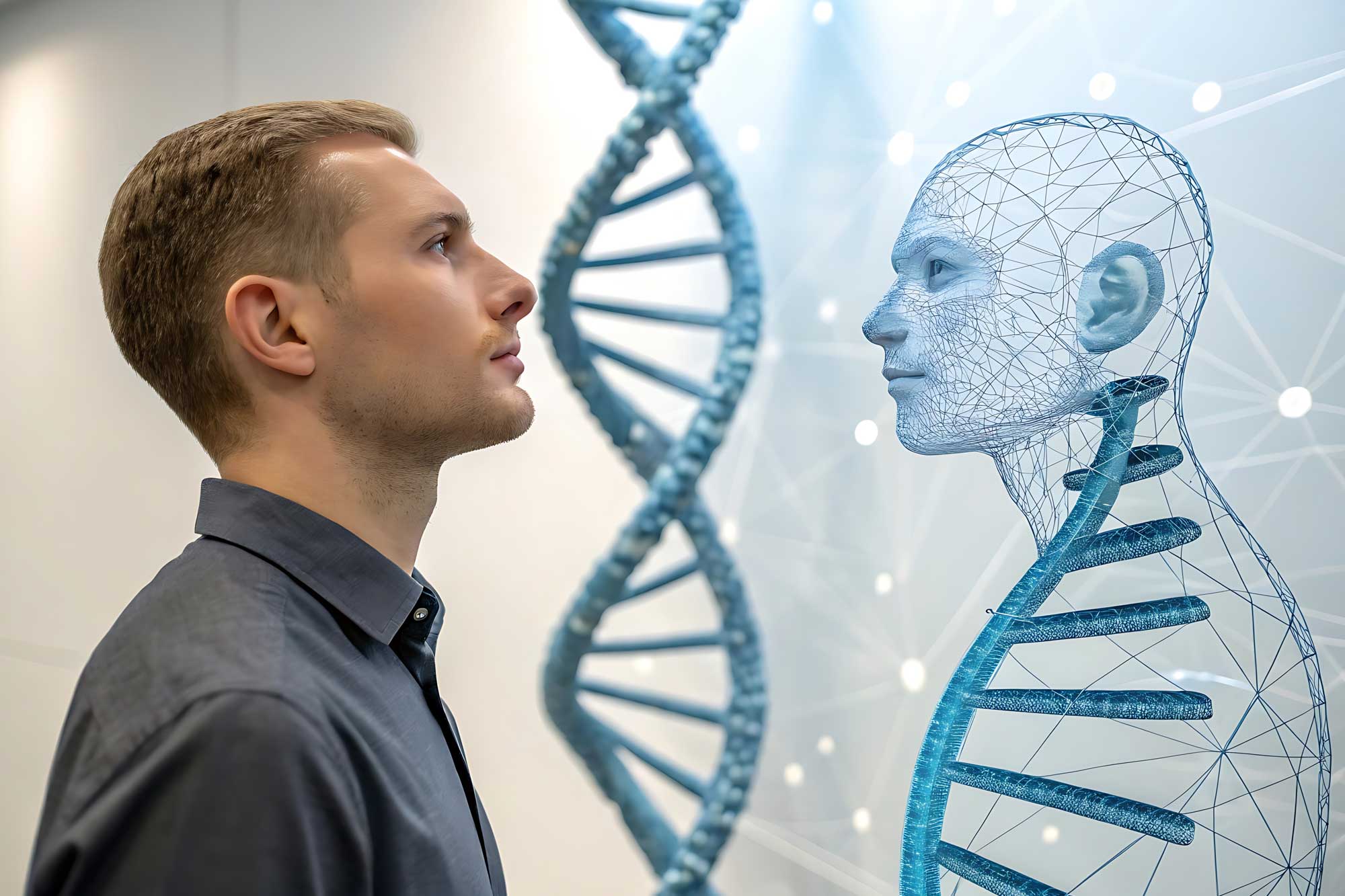
DNA Testing Services MyDNA Health Risks

The Future of DNA Testing

The field of DNA testing is dynamic, characterised by rapid technological advancements and expanding applications.

Technological Advancements

Ongoing research and development are continually refining the capabilities of DNA testing.

  • Decreased Costs:
    The cost of DNA sequencing has plummeted dramatically, making more comprehensive tests, like whole-genome sequencing, increasingly accessible to the general public.

  • Enhanced Accuracy:
    As reference databases grow larger and more diverse, and as algorithms improve, the accuracy and granularity of ancestry estimates and health risk assessments are expected to increase.

  • Integration with Wearables:
    There is potential to integrate genetic data with real-time health monitoring from wearable devices, creating a more holistic picture of an individual’s health. For example, genetic predispositions could be interpreted alongside continuous glucose monitoring data.

  • Personalised Medicine:
    The long-term vision is for genetic data to become a cornerstone of personalised medicine, where treatments and preventative strategies are tailored to an individual’s unique genetic profile, minimising trial-and-error approaches in healthcare.

Emerging Ethical and Regulatory Challenges

As the industry evolves, new ethical and regulatory questions inevitably arise.

  • Regulation of DTC Genetic Tests:
    Governments and regulatory bodies are grappling with how best to oversee direct-to-consumer genetic testing, particularly concerning health-related claims, ensuring accuracy, transparency, and consumer protection.

  • Data Ownership and Control:
    The concept of data ownership and control over one’s genetic information will continue to be debated, especially as more entities seek to utilise this data for research, development, or commercial purposes.

  • Reproductive Technologies:
    Genetic testing is becoming increasingly integrated into reproductive medicine, from preimplantation genetic diagnosis (PGD) to non-invasive prenatal testing (NIPT), raising profound ethical questions about selective reproduction and the boundaries of genetic intervention.

  • Synthetic Biology and Gene Editing:
    The advent of powerful gene-editing technologies like CRISPR further intersects with DNA testing, creating a future where the ability to “read” the genetic code could soon be paired with the ability to “rewrite” it, introducing unprecedented ethical considerations.

The journey into one’s genetic code is a complex tapestry woven with scientific discovery, personal identity, and societal implications. Understanding these threads is crucial for navigating the evolving landscape of DNA testing services responsibly.

FAQs

What are DNA testing services?
DNA testing services analyse an individual’s genetic material to provide information about ancestry, health risks, paternity, or other genetic traits. These services typically require a saliva or cheek swab sample.

How accurate are DNA testing services?
DNA testing services are generally highly accurate for identifying genetic markers and relationships. However, accuracy can vary depending on the test type, sample quality, and laboratory procedures.

What types of DNA tests are commonly offered?
Common DNA tests include ancestry testing, paternity testing, health risk assessments, carrier screening for genetic conditions, and forensic or legal DNA testing.

Is my genetic information private and secure with DNA testing companies?
Reputable DNA testing companies have privacy policies and security measures to protect genetic data. However, it is important to review each company’s terms regarding data storage, sharing, and usage before submitting a sample.

How long does it take to get results from DNA testing services?
The turnaround time for DNA test results typically ranges from 2 to 8 weeks, depending on the test type and the company’s processing times. Some services offer expedited options for faster results.

Unlock the power of your DNA • Discover yourself at a genetic level
Understand your health predispositions and take control • Live a longer and healthier life