Mental health and brain health come from genetics, lifestyle and environment working together, not any one of those on its own. Six awareness moments keep that conversation going through the year: Mental Health Awareness Month, World Mental Health Day, Alzheimer’s & Brain Awareness Month, World Alzheimer’s Month, the International Day of Happiness and Autism Acceptance Month. This guide brings the genetics side of all six into one place.
Knowing your genetic predisposition won’t explain everything about how you feel or think, but it can lift some of the self-blame that still clings to mental health, and it gives you and your family a more informed place to start a conversation with a doctor or specialist.


Genetic factors influence how people process stress and respond to markers linked to mood, including serotonin and dopamine pathways. A predisposition result isn’t a prediction of anxiety or depression, it’s one input among many, alongside sleep, exercise, diet and life circumstances, all of which genetics interacts with rather than overrides. The Institute of Mental Health is Singapore’s main resource if you want to talk to someone.
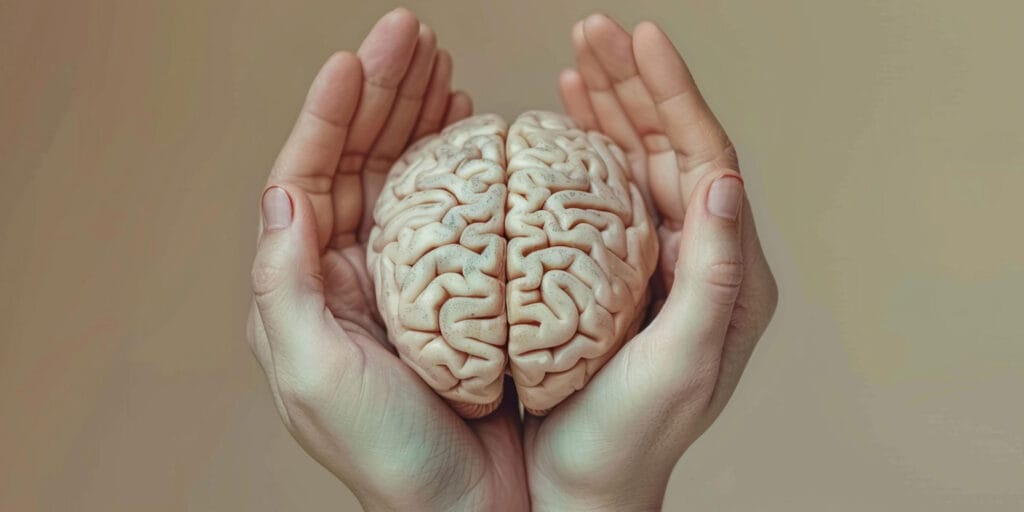
Cognitive decline and Alzheimer’s disease have a genetic component, most studied through the APOE gene family, alongside lifestyle factors like cardiovascular health, sleep and mental stimulation. Knowing a genetic predisposition earlier in life can be a prompt to prioritise the lifestyle factors known to support long-term brain health, and to have an informed conversation with a doctor about family history. Dementia Singapore supports families dealing with a diagnosis.

Understanding neurodevelopmental differences, including autism, matters to a growing number of Singapore families, and MyDNA Kids exists to support that conversation with genetic insight alongside nutrition and traits guidance for children. This is an area where it’s especially important to be precise about what genetic information can and can’t do: research has identified genetic markers associated with a higher predisposition to autism, but no genetic test can tell you whether a child is autistic, and none should be treated as though it can. What a report can offer parents is context: information to bring to a paediatrician or developmental specialist, not a label to place on a child. Autism itself isn’t a deficit to be screened for, it’s a different way of experiencing the world, and the value of early information is supporting a child well, not categorising them. The Autism Resource Centre (Singapore) is a good next step for families wanting more support.
A MyDNA test looks at genetic markers linked to mental and cognitive health predisposition, alongside a separate set covering nutrition, fitness and other wellness traits, delivered as a private digital report with a consultation to help translate it into something useful for you personally.
It isn’t an assessment by a doctor, psychiatrist, psychologist or paediatrician, and it doesn’t stand in for one. What it offers instead is a starting point, a sense of predisposition that belongs in a conversation with a professional, never treated as a label or a conclusion on its own.
No. Genetic predisposition testing shows a likelihood based on inherited markers, it cannot diagnose any mental health condition or tell you whether a child is autistic. Diagnosis requires clinical assessment by a qualified professional.
No. Carrying a higher-risk genetic variant increases predisposition but does not guarantee the condition develops, and many people with the variant never develop it. Family history and genetics are both context, not certainty.
A genetic report can offer context to bring to a paediatrician or developmental specialist, but it cannot diagnose autism and shouldn’t be used to label a child. Any developmental question belongs with a qualified professional first.
Please reach out. Samaritans of Singapore (SOS) and the Institute of Mental Health are both there to talk to, regardless of any genetic result.
Take it to your doctor or a specialist. It’s a reason to prioritise support and have an informed conversation, not something to interpret or act on alone.
Mental health and cognitive wellness are now standard items on most workplace wellbeing calendars, but the conversation rarely gets past a mindfulness session and an EAP number on a poster.
MyDNA’s workshops add a genetic layer to that conversation, covering what predictive testing can and can’t say about mental health and cognitive predisposition, and why that context matters alongside the support already in place. It’s a way to deepen a wellbeing programme a team already has, rather than repeat what they’ve heard before.

MyDNA’s testing is designed for wellness and informational use, not as a medical or psychiatric diagnostic tool. A genetic predisposition reflects likelihood, not certainty, and it’s never a substitute for an assessment by a doctor, psychiatrist, psychologist or paediatrician. Any concern raised by a report belongs in a conversation with a qualified healthcare professional, and any new supplement should be checked with one first, particularly during pregnancy, alongside an existing condition, or with prescribed medication.