

The hazards of vaping are increasingly becoming a major public health concern worldwide. While electronic cigarettes are often marketed as a safer alternative to smoking, growing research highlights significant vaping health risks that users should understand. Vaping involves heating an e‑liquid containing nicotine, flavourings, and chemicals into an aerosol that is inhaled into the lungs. This article explores the dangers of e‑cigarettes, vaping side effects, and the long‑term effects of vaping, helping readers make informed decisions about vaping vs smoking and overall health.
One of the most serious hazards of vaping is E‑cigarette or Vaping Product Use‑Associated Lung Injury (EVALI). Symptoms may include coughing, chest pain, and shortness of breath. Some cases have been linked to vitamin E acetate and contaminated vaping products. These incidents demonstrate how vaping and lung disease can be directly connected.
Research suggests that repeated exposure to vape aerosol may lead to airway inflammation and oxidative stress. Certain flavouring chemicals, such as diacetyl, have been associated with bronchiolitis obliterans, also known as ‘popcorn lung.’ Although long‑term evidence is still emerging, these findings raise concerns about irreversible damage and the long‑term effects of vaping on lung function.
Individuals with asthma or chronic obstructive pulmonary disease (COPD) may experience worsening symptoms due to irritants found in vape aerosols. Vaping can trigger inflammation and bronchial spasms, increasing the severity and frequency of respiratory attacks.
Nicotine, a central component of most e‑cigarettes, is highly addictive and contributes to vaping addiction. It constricts blood vessels, raises heart rate, and increases blood pressure. Long‑term exposure may contribute to arterial stiffness and cardiovascular disease.
Vape aerosols may contain harmful compounds such as formaldehyde and acrolein. These chemicals can damage blood vessels and increase inflammation, raising the risk of heart attack and stroke. These dangers of e‑cigarettes highlight that vaping is not harmless.

A major hazard of vaping is nicotine dependence. Nicotine stimulates dopamine release in the brain’s reward system, creating pleasurable sensations that reinforce repeated use. Over time, tolerance develops, leading to withdrawal symptoms such as irritability, anxiety, and cravings when vaping stops.
Adolescents are particularly vulnerable to vaping addiction because their brains are still developing. Flavoured products and sleek device designs have contributed to rising youth vaping rates, increasing concerns about long‑term nicotine dependence.
Studies suggest that young people who vape may be more likely to transition to traditional cigarette use. While vaping vs smoking comparisons often show fewer toxins in e‑cigarettes, both carry significant health risks.
Vaping may increase the risk of gum disease, tooth decay, and oral inflammation by altering the balance of bacteria in the mouth.
Emerging studies indicate vaping may weaken immune defences in the lungs, making users more susceptible to infections such as influenza and pneumonia.
Some chemicals found in vape aerosols are known carcinogens. Although exposure levels may be lower than those of traditional cigarettes, repeated inhalation raises concerns about potential cancer risk over time.
The popularity of vaping has contributed to the normalisation of nicotine consumption, particularly among young people, reversing decades of anti‑smoking progress.
Disposable vaping devices create electronic waste due to batteries, plastics, and chemical residues, posing environmental hazards.
Rapid innovation in vaping products makes regulation difficult, allowing new formulations to reach consumers before long‑term safety evaluations are completed.

Hazard | Description | Potential Health Impact | Prevalence |
Nicotine Addiction | Highly addictive substance in most devices | Dependence and brain effects | Common |
Respiratory Issues | Chemical inhalation and irritation | Inflammation and chronic bronchitis | Frequent |
Toxic Chemicals | Formaldehyde and heavy metals | Cancer and cardiovascular damage | Detected in many |
Popcorn Lung Risk | Exposure to diacetyl | Irreversible lung damage | Possible |
Cardiovascular Stress | Nicotine and toxins affect heart | Higher heart disease risk | Elevated |
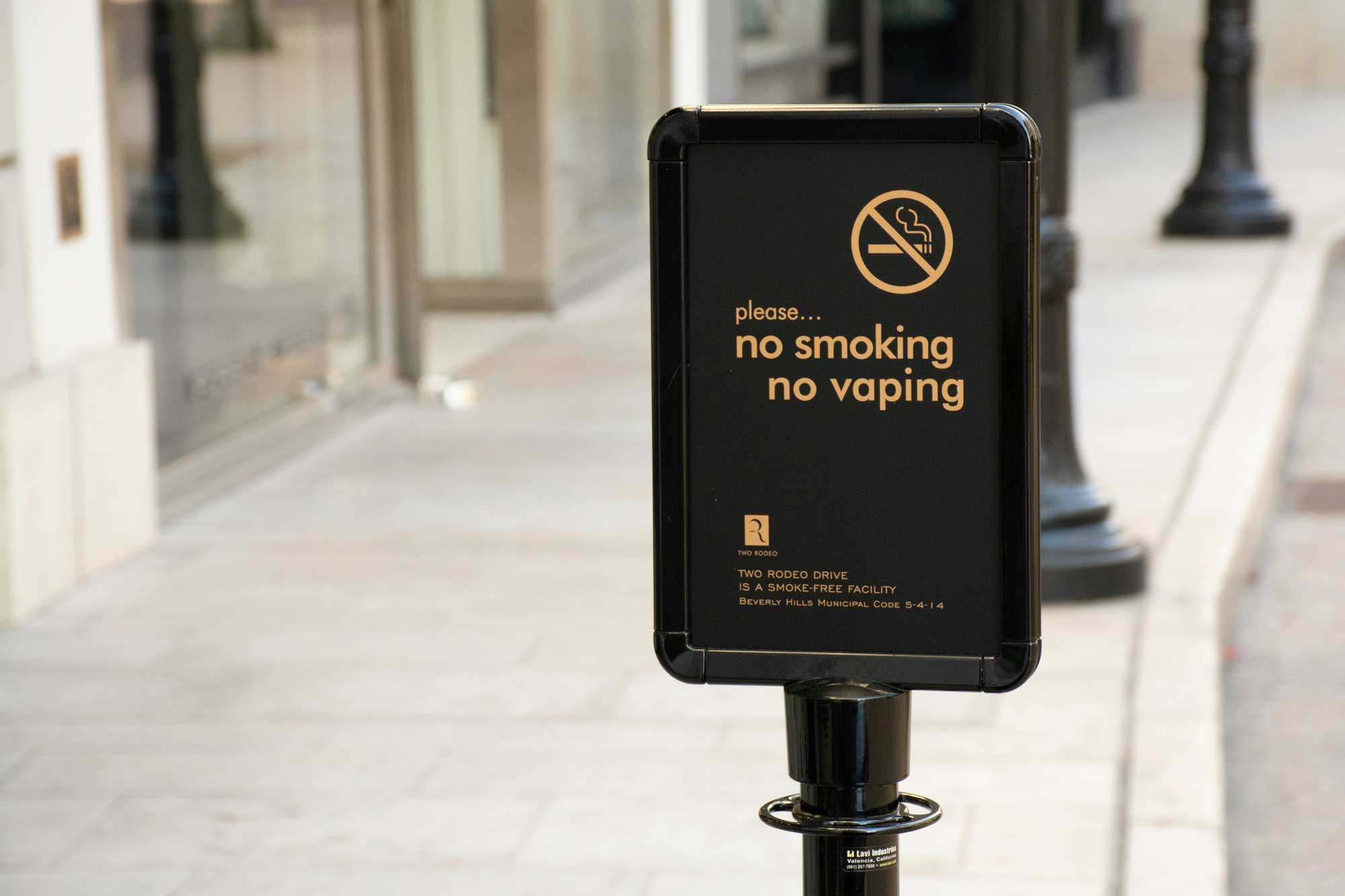
Education campaigns are essential to raise awareness of vaping health risks and dispel myths that vaping is safe.
Policies such as flavour restrictions, age verification, and ingredient transparency can help reduce youth uptake and protect public health.
Continued scientific research is necessary to understand the long‑term effects of vaping and guide future health policies.
What are the main vaping health risks?
Vaping exposes users to nicotine, toxic chemicals, and fine particles that may harm the lungs, heart, and immune system.
Can vaping cause lung disease?
Yes, vaping has been linked to lung injuries such as EVALI and may contribute to chronic respiratory conditions.
Is vaping safer than smoking?
While vaping may expose users to fewer toxins than cigarettes, vaping vs smoking comparisons show that vaping is not risk‑free.
Can vaping lead to addiction?
Yes, nicotine in e‑cigarettes can cause strong dependence and withdrawal symptoms.
What are the long‑term effects of vaping?
Long‑term effects may include lung damage, cardiovascular disease, and potential cancer risk, though research is ongoing.
The hazards of vaping extend far beyond popular perceptions of safety. From vaping and lung disease to cardiovascular strain and vaping addiction, evidence increasingly shows that e‑cigarettes carry real health risks. Understanding the dangers of e‑cigarettes empowers individuals to make informed lifestyle choices and prioritise long‑term well-being.
Unlock the power of your DNA • Discover yourself at a genetic level
Understand your health predispositions and take control • Live a longer and healthier life